



















Introduction to Keto Cooking Challenges
Understanding the Keto Diet Basics
The ketogenic diet focuses on drastically reducing carbohydrate intake while increasing fats and maintaining moderate protein consumption. This shift encourages the body to enter a state called ketosis, where fat is burned for energy instead of glucose. Achieving and sustaining ketosis requires careful attention to the types and quantities of foods consumed. Understanding these basics is essential before diving into the cooking process, as every ingredient choice directly impacts your diet’s success.
Why Cooking Errors Affect Keto Success
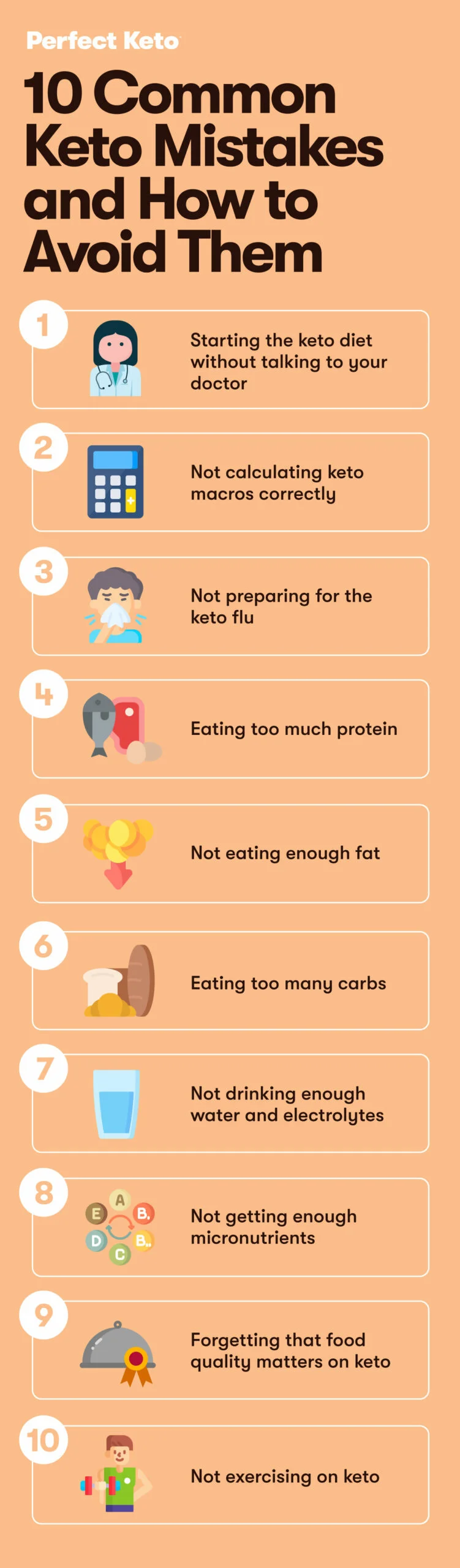
Even slight mistakes in cooking can derail your keto progress. For example, adding too many carbs without realizing it or using oils that aren’t keto-friendly can prevent your body from entering or staying in ketosis. Moreover, improper cooking methods can diminish the nutritional value of food or alter its fat and protein balance. Recognizing how these common errors affect your meals helps you focus on precision, ensuring each dish supports your health goals.
Identifying Frequent Keto Cooking Mistakes
Misjudging Macros and Ingredients
One of the most common challenges in keto cooking is inaccurately estimating macronutrients. It’s easy to guess portion sizes or overlook hidden carbs in ingredients like sauces, vegetables, or seasonings. This misjudgment leads to inconsistent blood sugar levels and potentially stalls weight loss. Additionally, choosing inappropriate fats, such as those high in omega-6 fatty acids, can cause inflammation and counteract keto benefits.
Overlooking Proper Cooking Techniques
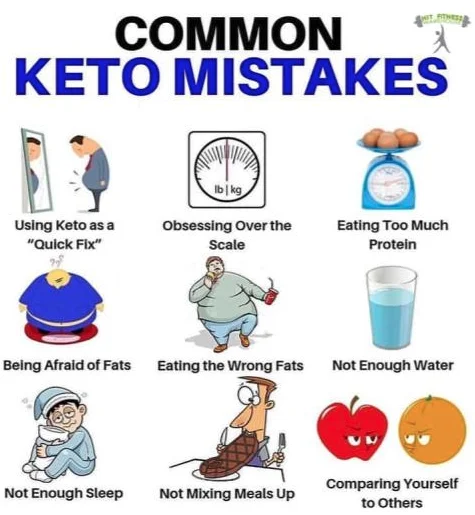
Cooking methods significantly impact the healthiness and effectiveness of keto meals. Some home cooks either overcook or undercook vegetables and proteins, which can affect texture and nutrient availability. For instance, overheating oils can cause oxidation, creating unhealthy compounds. Without mastering techniques like gentle sautéing or baking at the right temperature, you might compromise both taste and nutritional integrity.
Common Equipment and Tool Errors
Using incorrect or low-quality kitchen tools can hinder meal preparation. For example, inaccurate scales or measuring spoons make precise tracking of fat and protein difficult. Additionally, relying solely on basic utensils might limit your ability to efficiently prepare complex keto dishes that require specific temperature control or timing. Identifying and rectifying these equipment limitations is crucial for consistent meal quality.
Solutions to Elevate Your Keto Cooking
How to Accurately Measure Fats and Proteins
Precision is key when managing your keto macros. Investing in a digital kitchen scale allows you to weigh fats and proteins accurately, eliminating guesswork. Measuring spoons calibrated for oils ensure that fat intake matches your dietary goals, preventing overconsumption. Start by familiarizing yourself with standard serving sizes and gradually adjusting to your personalized macro needs, which can optimize ketosis and energy levels.
Best Practices for Keto-Friendly Food Preparation
Choosing cooking methods that preserve nutrient content and enhance flavor is essential. Methods like steaming, roasting, and low-temperature frying with stable fats such as avocado or coconut oil maintain food quality without harmful byproducts. Additionally, incorporating fresh herbs and spices can reduce the need for processed seasonings, which often contain hidden carbs or unhealthy additives. These practices elevate both the nutritional profile and enjoyment of your meals.
Utilizing Kitchen Tools for Precision and Efficiency
Certain tools can transform keto cooking from a chore into a seamless process. Aside from scales, tools like food processors and sous-vide machines help achieve consistent textures and precise cooking times. Silicone baking mats reduce fat usage and clean-up effort, while slow cookers allow for set-it-and-forget-it meals that maintain nutrient density. By integrating these tools, you can prepare high-quality keto meals more efficiently and with less stress.
Practical Tips for Consistent Keto Meal Success
Meal Planning and Prep Strategies
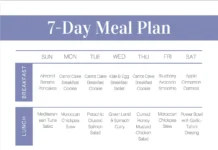
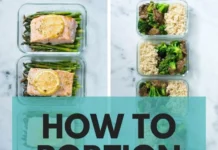
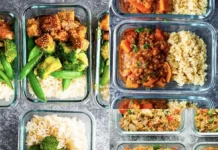
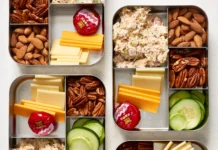
Consistency is easier when meals are planned ahead. Dedicate time to prepare ingredients or full dishes in bulk, which saves time and reduces the temptation of quick, carb-heavy alternatives. Planning also allows you to balance your macros across meals, ensuring nutrient intake remains steady. Incorporating a variety of foods keeps your diet interesting and nutritionally balanced, supporting long-term adherence to keto.
Adjusting Recipes Without Compromising Keto Goals
Many traditional recipes contain hidden carbs or inappropriate fats. When adapting recipes, focus on swapping high-carb ingredients with keto-approved alternatives, such as using cauliflower rice instead of traditional rice or almond flour for baking. Be mindful to maintain the right fat-to-protein ratio, as this balance is central to keto success. Experiment slowly and test results to find flavorful combinations that satisfy your palate without jeopardizing ketosis.
Conclusion: Mastering Keto Cooking Through Troubleshooting
Mastering keto cooking requires attention to detail and a willingness to troubleshoot common mistakes. By understanding the fundamental principles of the keto diet, recognizing frequent errors, and applying practical solutions, you can enhance the quality and consistency of your meals. Incorporating accurate measurement tools, adopting best cooking practices, and planning thoughtfully will empower you to enjoy perfect keto meals every time, supporting your health and weight goals effectively.