





















Understanding Personal Boundaries in the Context of Dating Apps
Defining Personal Boundaries
Personal boundaries refer to the invisible lines we draw to protect our physical, emotional, and mental well-being. When it comes to dating apps, these boundaries help us define what we are comfortable with in terms of interactions, sharing information, and setting the pace of a relationship. Imagine Maya, a college student who values honesty and transparency. By clearly recognizing her limits—such as not sharing her phone number immediately—she maintains control over her digital space, making her online dating experience safer and more enjoyable.

Why Boundaries Matter in Online Dating
Online dating removes many traditional social cues, which can make it easy for boundaries to be crossed unintentionally or otherwise. For example, Jake started chatting with someone who quickly pressed for personal details, making him uncomfortable. Without firm boundaries, Jake could have shared too much and faced unwanted consequences. Boundaries are essential as they give users confidence to engage at their own pace, help avoid emotional burnout, and reduce the risk of encountering harmful or manipulative behavior. They act as a protective guide, ensuring that your interactions remain respectful and your safety prioritized.
Identifying Your Boundaries Before You Start Swiping
Emotional Boundaries: What You’re Comfortable Sharing
Before diving into conversations, it’s crucial to ask yourself what kind of emotional investment you are ready to make. Sarah, who had previously rushed into sharing intimate details online, learned the hard way that revealing too much too soon can leave one vulnerable. She now opts for a measured approach, sharing her feelings gradually while learning about the other person. By identifying emotional boundaries early, you protect yourself from feeling exposed and ensure a healthy space for genuine connections.
Physical Boundaries: Deciding When & Where to Meet
Deciding when and where to meet someone in person is a significant boundary. Take Alex’s story—after weeks of texting, he insisted on a video call before agreeing to meet. Choosing a public place for their first encounter, he ensured his comfort and safety. Establishing physical boundaries like these allows control over how, when, and under what conditions you meet, reducing risks and helping build trust with potential matches.
Digital Boundaries: Managing Your Data and Privacy
Many users overlook the importance of protecting digital information. Jenna realized her mistake after sharing her social media profiles and location data too freely, leading to uncomfortable situations. Today, she sticks to sharing minimal personal data and leans heavily on the privacy features of dating apps. Managing digital boundaries prevents oversharing that might compromise your safety and privacy, allowing you to control what others can see and access.
Practical Steps to Set Boundaries on Dating Apps
Creating a Clear and Honest Profile
Setting personal boundaries starts with presenting yourself authentically. When David updated his profile, he included clear statements about his intent—seeking a meaningful relationship rather than casual encounters. This upfront honesty helps filter matches who respect his boundaries and intentions, saving time and emotional energy. A candid profile reduces misunderstandings and sets the tone for respectful communication.
Communicating Boundaries Early in Conversations
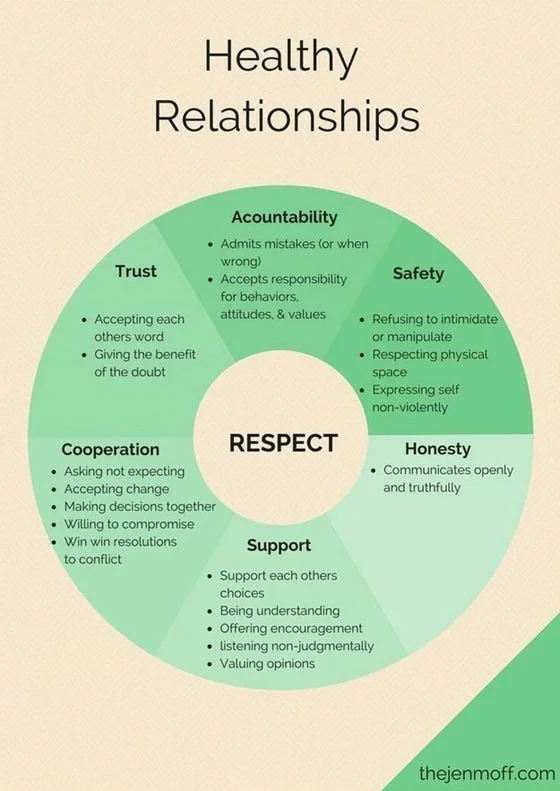
Clarity is key. Take Nina’s approach: she openly shared her preferred communication style and the pace at which she wanted to progress early on. Doing so prevented awkward scenarios where her match expected instant replies or quick meetups. Early communication of your boundaries sets expectations and can discourage those unwilling to respect them, fostering a safer and more comfortable interaction.
Using App Features to Control Contact and Visibility
Modern dating apps come equipped with tools to help users define their comfort zones. For instance, Lucas utilized the block and report options when he encountered inappropriate messages. He also adjusted his privacy settings to limit who could see his profile. Leveraging these features empowers you to maintain control over your interactions and avoid unwanted contact, turning an otherwise open platform into a safer environment.
Recognizing and Handling Boundary Violations
Common Signs of Boundary Crossing
Recognizing when someone crosses a boundary can sometimes be subtle. Examples include persistent questioning about private matters, pressuring for in-person meetings before you feel ready, or sending unsolicited explicit photos. Maya once ignored these signs but soon realized these behaviors made her uneasy. Awareness helps prevent escalation and equips you to take timely action.
How to Respond Assertively and Safely
When boundaries are tested, assertive communication is your best defense. For example, when Tom felt pressured to share his address, he calmly but firmly explained his discomfort. Standing your ground without aggression sets clear expectations and discourages further boundary violations. It’s important to prioritize your safety—if you feel threatened, do not hesitate to remove yourself from the situation.
When and How to Block or Report Users
Blocking or reporting someone should be considered when behavior becomes harassing, threatening, or persistently disrespectful. Jenna once encountered a user who ignored repeated requests to stop messaging. She used the app’s reporting tools, which led to the removal of the offender’s profile. These features are designed to protect users, and using them is a vital step to maintain your digital safety.
Staying Safe: Additional Tips Beyond Boundaries
Verifying Identities and Spotting Red Flags
Verifying who you are talking to is an essential safety step. Video calls or voice chats can help confirm identity and build trust. For example, after a quick video chat, Emily felt more confident about meeting her match. Pay attention to inconsistencies in stories or reluctance to engage in virtual communications, as these can be warning signs of deceit.
Choosing Public, Safe Meeting Places
When meeting someone new, picking a public place is crucial. David always suggests coffee shops or busy parks for first dates. These environments offer neutral ground and easy access to help if needed. Avoid secluded or private locations initially to minimize potential risks.
Informing Friends or Family About Your Plans
Letting someone know where you are going and who you will meet adds a layer of safety. Nina shares her whereabouts with a close friend before any in-person encounters, providing them with details and a check-in time. This simple practice ensures that someone can intervene or seek help if things don’t go as expected, offering peace of mind throughout the experience.