

















Understanding Repeated Marital Conflicts: An Overview
Common Triggers and Patterns in Marital Disputes
Imagine a couple, Sarah and James, who find themselves arguing every weekend. The disagreements start over something minor—maybe the chores or weekend plans. Yet, the conflict spirals, touching on deeper frustrations. Repeated marital conflicts often begin with recurring triggers: communication breakdowns, unmet expectations, or external stressors like finances or family pressure. Over time, these triggers form predictable patterns, where past resentments resurface, and conflicts escalate faster than either partner expects. Recognizing these patterns is the first step toward understanding the underlying issues.
Psychological and Emotional Roots Behind Recurring Arguments
Often, what looks like a fight about household tasks is really about unmet emotional needs or unresolved past wounds. For instance, James might feel undervalued because his efforts go unnoticed, while Sarah feels overwhelmed and unheard. These emotional undercurrents—such as fear of rejection, feelings of inadequacy, or past betrayals—fuel repetitive arguments. Like a record stuck on repeat, couples can get caught in a cycle where attempts to address the problem only scratch the surface, leaving deeper feelings unacknowledged and unresolved.
Techniques to Identify Underlying Problems
Active Listening and Effective Communication Strategies
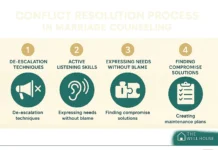
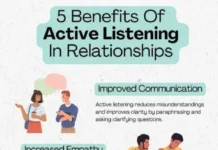
When tensions rise, couples often talk past each other. Taking the story of Maya and Alex, Maya would often interrupt when Alex tried to explain his point, leading to frustration on both sides. They learned that switching to active listening—where each partner listens not to respond but to truly understand—changed their interactions. For example, paraphrasing what the other said or asking clarifying questions can reveal hidden concerns. Using “I” statements like “I feel overwhelmed when…” instead of accusatory phrases helps keep conversations constructive.
Emotional Intelligence: Recognizing Hidden Issues

Emotional intelligence plays a crucial role in decoding the subtle signals beneath conflict. For example, when Thomas noticed that his wife, Linda, became unusually quiet during disagreements, he paused to ask gently rather than pushing her for answers. This awareness allowed him to recognize her anxiety and validate her feelings, which opened up deeper conversations. Practicing self-awareness and empathy enables partners to identify emotions like fear, hurt, or disappointment that often lie behind the surface of conflicts.
Role of Individual and Shared Histories in Conflict
Every individual brings a unique emotional baggage into a relationship. Consider Karen, who grew up feeling neglected, which fueled her sensitivity to James’s perceived lack of attention. When couples fail to acknowledge these personal histories, they risk projecting past traumas onto current disagreements. Shared experiences also shape conflicts; unresolved issues from earlier in the relationship can resurface, clouding judgment and escalating disputes. Understanding these histories helps couples approach arguments with empathy rather than blame.
Steps to Address and Resolve Deep-Seated Marital Issues
Creating a Safe Space for Open Dialogue
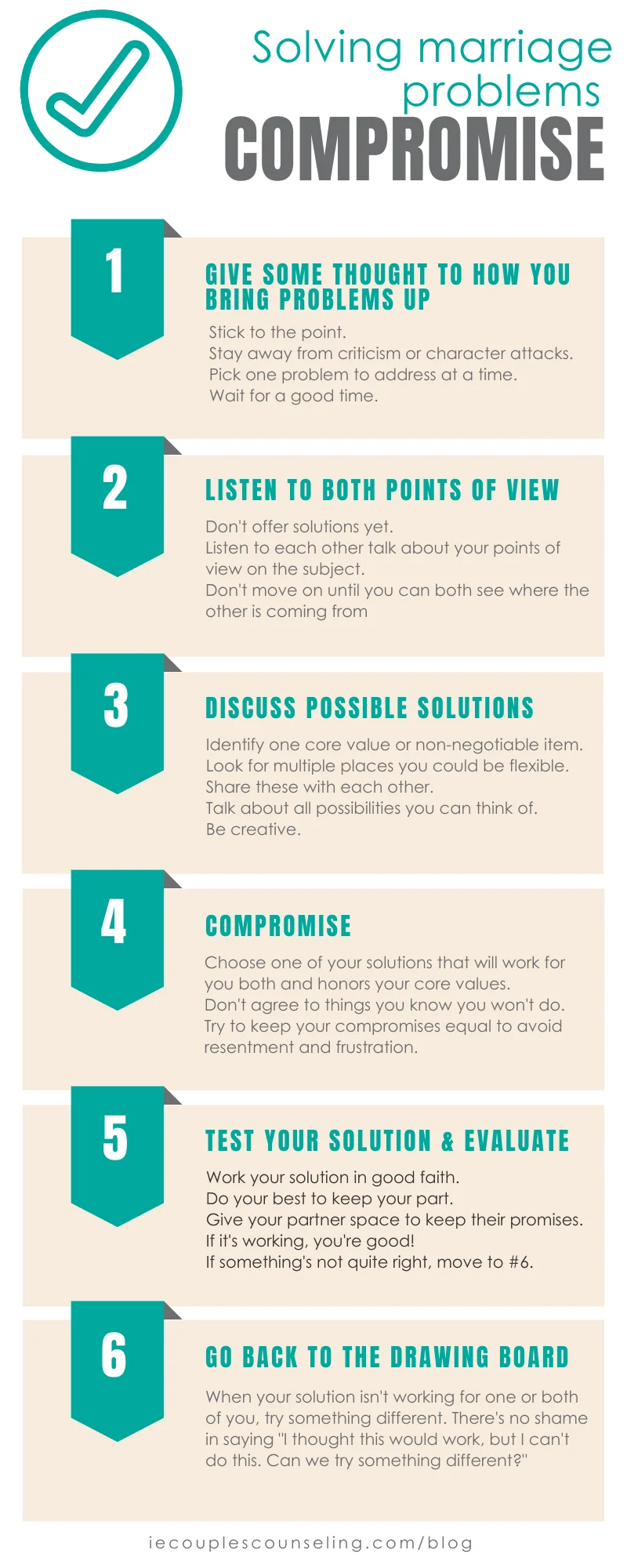
In the case of Laura and Daniel, breaking the cycle of repeated arguments meant creating a calm, judgment-free environment where both felt safe to express their feelings. This involved agreeing to pause heated conversations and return when both were calmer, sometimes taking 15 to 20-minute breaks to soothe emotions. Using repair attempts like light humor or sincere apologies helped diffuse tension. Over time, they established a rhythm of open dialogue that prioritized understanding over winning.
Seeking Professional Help: Counseling and Therapy Options
Not all conflicts can be resolved through conversation alone. When Amy and Michael reached a stalemate, professional counseling provided a neutral space to explore deeper issues. Therapists can introduce tools like collaborative decision-making and help partners respect core values without forcing harmful compromises. Whether through couples therapy or individual sessions, professional guidance can uncover hidden dynamics and equip couples with healthier ways to engage.
Building Empathy and Rebuilding Trust
Empathy is often the bridge from conflict to connection. For example, John realized that by expressing genuine appreciation for his wife’s efforts, even small ones, he softened the tension that had accumulated between them. Trust rebuilds slowly when partners show they understand and respect each other’s feelings and boundaries. Offering sincere apologies focusing on the emotional hurt rather than the right-or-wrong of an argument further nurtures healing and strengthens their bond.
Long-term Solutions to Prevent Recurring Conflicts
Developing Healthy Conflict Resolution Skills
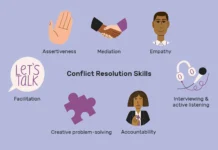
After years of repeated disputes, Mia and Leo committed to learning new ways to handle disagreements. They practiced taking turns to speak and listen without interruption or judgment, turning argument time into problem-solving sessions. They avoided phrases like “I would like you to…” opting instead for softer “I feel…” statements that reduced defensiveness. Understanding that some conflicts stem from differences of opinion, they worked hard to find win-win solutions but accepted that not every disagreement needs complete resolution.
Establishing Boundaries and Shared Goals
Setting clear boundaries helped Nina and Raj prevent conflicts from becoming personal attacks. They agreed on limits about how and when to discuss sensitive topics, ensuring respect for each other’s emotional space. By focusing on shared goals — such as raising their children with mutual values or supporting each other’s careers — they created a collaborative foundation. Engaging in shared projects and seeking new experiences together helped shift their relationship towards teamwork rather than opposition.
Maintaining Emotional Connection Over Time
Long-lasting relationships thrive on ongoing emotional intimacy. For Emma and Paul, this meant regularly expressing appreciation and focusing on what they liked about each other despite frustrations. Humor and positive body language became tools to maintain a high ratio of positive to negative interactions, helping prevent emotional distancing. Openly communicating feelings and perspectives, even outside of conflict, created resilience against future disputes. When disagreements did arise, they felt connected enough to navigate through without losing sight of their partnership.