























Understanding Calorie Deficit and Hunger
What is a Calorie Deficit?
Imagine Sarah, who wants to lose weight for her upcoming wedding. She learns that to shed pounds, she needs to consume fewer calories than her body burns—this is called a calorie deficit. It means eating less energy than your body uses for daily activities and bodily functions. If Sarah’s maintenance calories are 2,000 per day, eating 1,500 calories daily puts her in a calorie deficit, encouraging her body to utilize stored fat for energy.
Why Hunger Increases with a Deficit
After a few days of eating less, Sarah notices more frequent hunger pangs. This happens because her body senses the energy shortfall and ramps up hunger signals to encourage her to eat more. The hormone ghrelin rises, intensifying appetite, while leptin, which signals fullness, drops. This natural response can make sticking to a calorie deficit challenging, often leading to overeating if not managed carefully.
The Science Behind Appetite Control
Appetite isn’t just about willpower; it’s regulated by complex hormonal and neurological signals. For example, when Sarah eats fiber-rich vegetables or protein, these foods slow digestion and promote the release of satiety hormones like peptide YY. This interaction helps reduce hunger by signaling to her brain that she’s full, despite eating fewer calories. Understanding this helps Sarah plan meals that keep her satisfied without overeating.
Effective Strategies for Meal Planning
Choosing Nutrient-Dense Foods
When planning meals, Sarah focuses on nutrient-dense foods, which provide vitamins and minerals without excessive calories. For instance, she swaps whole milk for fat-free or low-fat milk in her cereal, reducing unnecessary fats and calories. Instead of loading sandwiches with extra cheese or meat, she adds crisp lettuce, tomato, and cucumber, boosting volume and nutrients without extra calorie load. Choosing foods like these keeps her energy up and hunger low.
Incorporating High-Fiber Ingredients
Fiber plays a crucial role in managing hunger. For Sarah, incorporating beans, lentils, and whole-grain cereals like oatmeal not only provides sustained energy but also helps her feel full longer. At lunch, she might have a hearty salad with a variety of vegetables, legumes, and a sprinkle of light cheese rather than a heavy meat-based dish. This approach maintains fullness while keeping calories down—a practical tactic to maintain her deficit.
Balancing Macronutrients to Satiate Hunger
Sarah learns through trial and error that balancing protein, fats, and carbohydrates is key. For example, including lean proteins such as chicken, fish, or egg whites in her meals helps reduce hunger compared to meals high in refined carbs. She replaces part of the ground meat in recipes with shredded vegetables, reducing fat and calories but preserving flavor. This balance ensures she feels satisfied after meals, avoiding the urge to snack excessively.
Meal Timing and Frequency
Benefits of Smaller, Frequent Meals
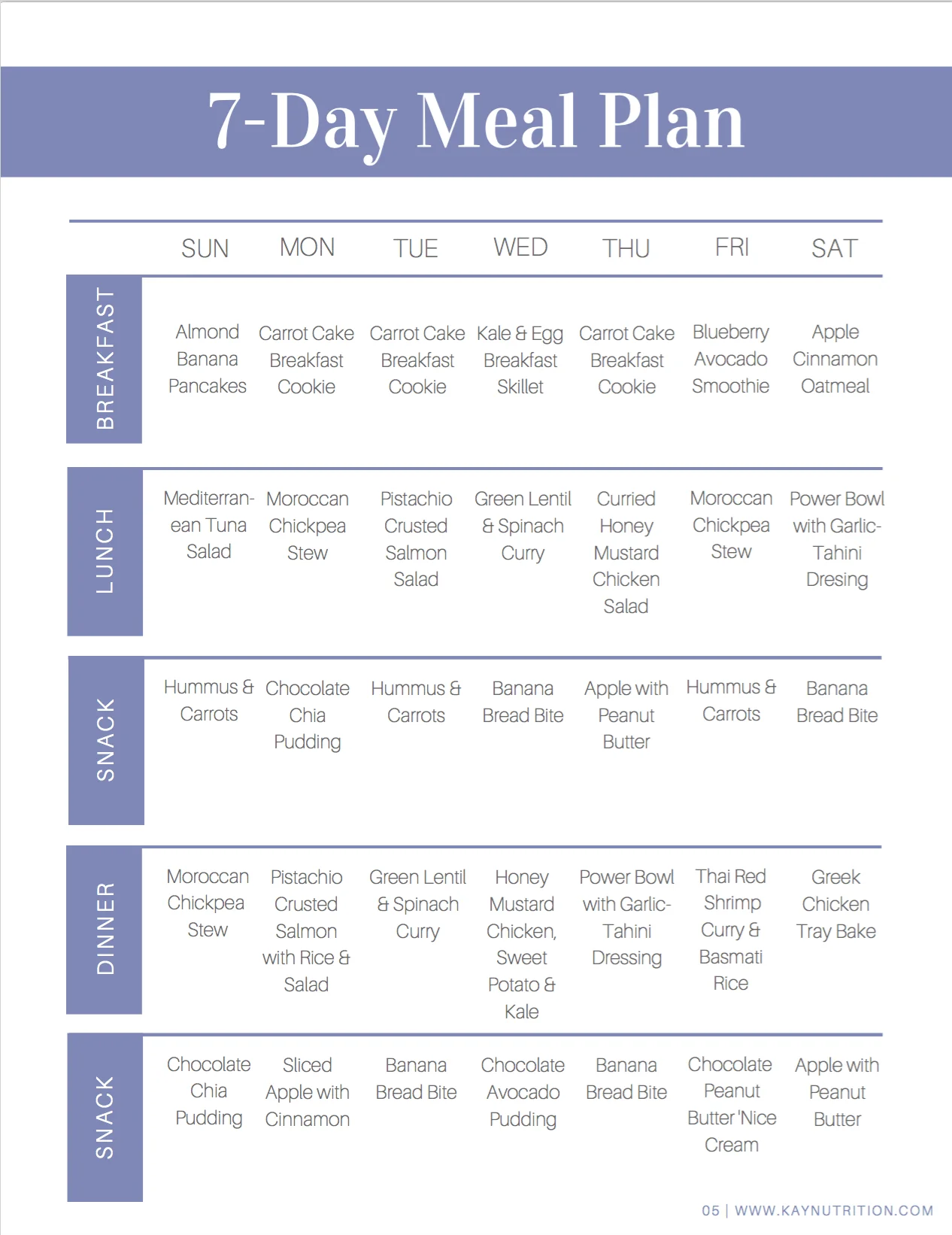
Instead of three large meals, Sarah experiments with eating smaller portions more frequently. This strategy keeps her metabolism active and helps stabilize blood sugar levels, reducing the intensity of hunger pangs. She finds that having five smaller meals a day, such as a mid-morning fruit snack, a balanced lunch, an afternoon veggie snack, and a light dinner, helps her avoid the temptation to binge during the evening.
Intermittent Fasting and Calorie Deficit
Curious about intermittent fasting, Sarah tries limiting her eating window to 8 hours instead of spreading meals throughout the day. While some find this effective, she notices it’s not ideal for her needs because it increases hunger in the morning, leading her to overeat. This illustrates that intermittent fasting can work for some but might not suit everyone’s lifestyle or appetite control, underscoring the importance of personalization in meal planning.
Smart Cooking and Preparation Tips
Batch Cooking for Consistency
To avoid impulsive eating, Sarah dedicates one day a week to batch cooking. She prepares large portions of vegetable-packed pasta, lean protein dishes, and steamed veggies, dividing them into individual containers. This method means she always has calorie-controlled, satisfying meals ready, helping her stick to her calorie goals even on busy days.
Using Herbs and Spices to Enhance Flavor

One challenge Sarah faces is boredom with repetitive meals. Rather than adding butter or heavy sauces, she experiments with fresh herbs like basil and cilantro, along with spices such as cumin and paprika. These add bold flavors without extra calories, making her meals enjoyable and satisfying, a key to maintaining adherence to her calorie deficit plan.
Addressing Common Challenges
Overcoming Food Cravings
Occasionally, Sarah craves sweets after dinner. Instead of reaching for cookies, she keeps dark chocolate pieces at home to satisfy these urges in moderation. She also makes a habit of keeping fresh fruit visible and within reach. When cravings hit, she opts for sliced apples or berries, which provide natural sweetness plus fiber, helping curb hunger and prevent overindulgence.
Dealing with Social Eating Situations
During social gatherings, Sarah finds maintaining her calorie deficit tricky. At a friend’s birthday dinner, she chooses vegetable toppings on her pizza instead of fatty meats, and dips her fork into dressing rather than drowning her salad. She also drinks sparkling water instead of sugary cocktails. These small, conscious choices help her enjoy social moments without blowing her calorie budget or feeling deprived.
Personalizing Your Meal Plan
Tracking Progress and Adjusting Intake
Sarah learns to focus on weekly weight trends rather than daily fluctuations, which can be discouraging. She uses apps to track her meals and caloric intake, helping her identify when adjustments are needed. When progress stalls, she tweaks portion sizes or swaps ingredients, emphasizing sustainability and patience over quick fixes.
Listening to Your Body’s Hunger Signals
Most importantly, Sarah tunes into her body’s signals rather than ignoring them. On days when she feels hungrier, she incorporates slightly more protein and fiber-rich foods instead of drastically cutting calories. This approach helps reduce the feeling of deprivation, making her calorie deficit manageable and less stressful in the long run.