
















Introduction to Using Props in Yoga for Beginners
Why Props Enhance Your Yoga Practice
Yoga props are valuable tools that help practitioners deepen their practice safely. They provide support, enable proper alignment, and allow for modifications that accommodate different body types and flexibility levels. Using props encourages mindfulness and body awareness, making poses more accessible and reducing the risk of injury. For beginners, props demystify challenging postures and build confidence.
Common Types of Yoga Props
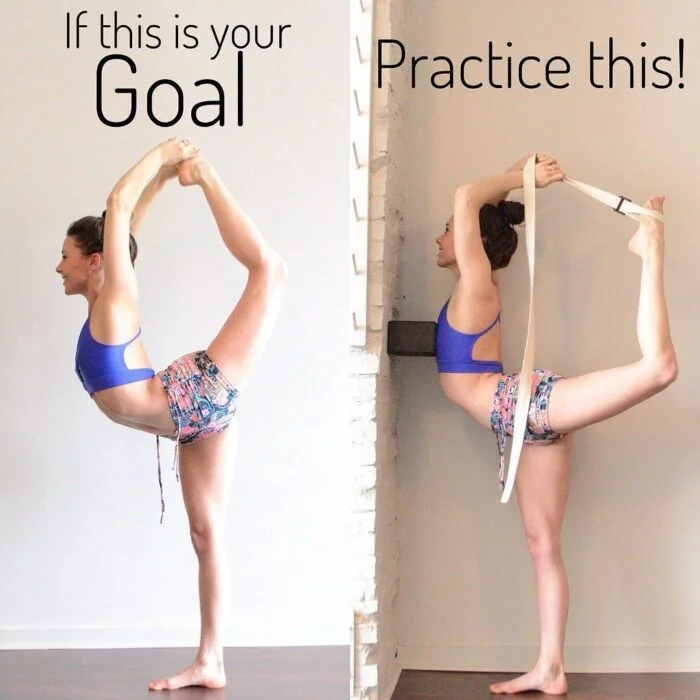
Several props are commonly used in yoga to assist practitioners. Yoga blocks help bring the floor closer and improve stability. Straps assist in stretching and maintaining alignment when flexibility is limited. Bolsters and blankets offer cushioning and support, particularly in restorative poses. These tools are simple yet versatile, designed to enhance comfort and effectiveness during practice.
Essential Props Every Beginner Should Have
Yoga Blocks: Purpose and Benefits
Blocks are one of the most versatile props and a great starting point for beginners. They raise the floor to accommodate limited flexibility, support hands or sit bones, and help maintain proper alignment. Beginners often use the tallest block height initially, lowering it as they gain strength and flexibility. Blocks also reduce strain by providing stability in standing and balancing poses.
Yoga Straps: Improving Flexibility Safely
Straps allow practitioners to deepen stretches without forcing the body beyond its limits. They are particularly useful for hamstring and shoulder stretches, offering gentle assistance while maintaining safe alignment. Straps help maintain engagement and control, preventing overextension. Beginners benefit from using straps to gradually increase their range of motion with confidence.
Bolsters and Blankets: Support and Comfort
Bolsters and blankets enhance relaxation and cushioning during practice. Bolsters support the back or legs in restorative poses, encouraging muscles to relax completely. Folded blankets protect sensitive areas like knees and wrists, reducing discomfort. These props create a comfortable environment, allowing beginners to hold postures longer and focus on breath and alignment.
Setting Up Your Space with Props
Creating a Comfortable and Safe Environment
Arrange a quiet, uncluttered space for your practice to allow full focus and movement. Ensure the floor is clean and use a stable yoga mat for grip. Position props nearby so they are easily accessible when needed. Adequate lighting and fresh air contribute to a calming atmosphere. Minimizing distractions helps maintain concentration and mindfulness throughout the session.
Organizing Props for Easy Access During Practice
Keep your props organized in one place to avoid interrupting flow. Use shelves, baskets, or designated corners to store blocks, straps, bolsters, and blankets. This organization saves time and reduces frustration, supporting a smooth transition between poses. Familiarity with prop placement also encourages consistent use, reinforcing good habits in your practice.
Step-by-Step Guide to Using Props in Key Beginner Poses
Using Blocks in Downward Dog
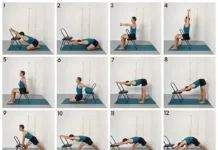
Start in tabletop position and place blocks under your hands. This modification brings the floor closer if your hamstrings or shoulders feel tight. Positioning the blocks helps reduce wrist strain and maintains alignment through the spine. As flexibility improves, gradually lower the blocks or transition back to the floor, ensuring your body remains supported throughout.
Straps for Hamstring Stretches
Begin by lying on your back and looping a strap around the ball of your foot in a hamstring stretch. Gently pull the strap to lift your leg while keeping the knee slightly bent if necessary. The strap allows a controlled stretch without forcing your body. Maintain even breathing and avoid locking joints. Over time, adjust the strap’s length to deepen the stretch safely.
Bolsters in Restorative Poses
Place a bolster lengthwise under your spine in supported fish pose to open the chest and encourage relaxation. Alternatively, use a bolster under the knees in reclining bound angle pose to reduce tension in the hips. Bolsters help muscles let go and enhance comfort, making these restorative postures more accessible and effective for beginners seeking gentle release.
Tips for Gradually Reducing Reliance on Props
Building Strength and Flexibility Over Time
Consistent practice naturally develops strength and flexibility, allowing you to rely less on props. Begin with the tallest block and lower it as your range increases. Focus on controlled movements and mindful alignment. As you grow stronger, experiment with reducing strap tension or removing bolsters in restorative poses while maintaining comfort and safety.
Listening to Your Body and Adjusting Props Use
Props are not signs of weakness but tools to meet your body’s needs. Always honor your sensations and adjust props accordingly. Some days may require more support, others less. Respecting these signals prevents injury and ensures steady progress. Embracing props as part of your journey fosters self-acceptance and deeper connection to your practice.
Common Mistakes to Avoid When Using Yoga Props
Overusing Props vs. Proper Support
While props offer essential support, overdependence can hinder strength development. Avoid using props solely out of habit when your body is ready to challenge itself. The goal is to use props to enable access and alignment, not to create reliance. Balance prop use with gradual effort to build capability.
Incorrect Placement and Its Impact on Alignment
Misplacing props can distort posture and create strain. For example, blocks placed too far forward in downward dog may compromise wrist position. Careful attention to prop positioning ensures they enhance rather than detract from alignment. If unsure, seek guidance or experiment to find the most supportive and comfortable arrangement.
Conclusion: Embrace Props as Tools for Growth in Yoga
Yoga props empower beginners to engage fully with their practice by providing support, enhancing comfort, and promoting proper alignment. They make poses accessible and safe, fostering confidence and self-awareness. Embracing props as allies rather than crutches allows practitioners of all levels to cultivate strength, flexibility, and mindfulness effectively. Recognize that everyone benefits from support at times, and celebrate props as integral tools on your yoga journey.