




















Introduction to Budget-Friendly Healthy Dinners
Eating healthy dinners on a budget can often feel like a challenge, especially with the rising costs of groceries and the pressure of busy schedules. Many find themselves stuck in a dinner rut or turning to expensive and last-minute food options which strain both the health and the wallet. The problem stems from a combination of factors such as lack of meal planning, overwhelming recipe choices with many ingredients, and the need for quick and simple meals. Addressing these issues with thoughtful strategies can empower anyone to prepare nutritious dinners that cost less than $5 each, without compromising on taste or satisfaction.
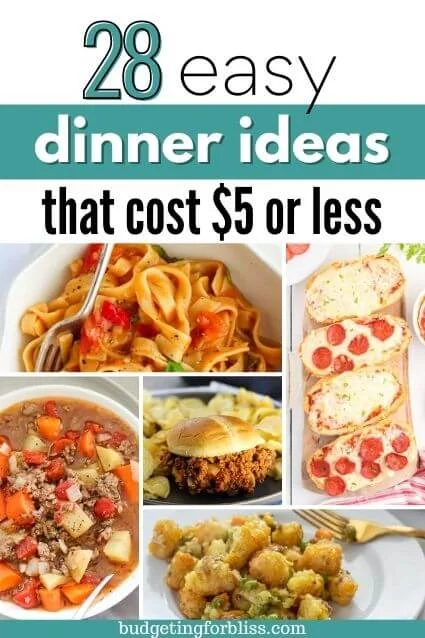
Planning Your Meals: Strategies for Staying Under $5
Choosing Affordable Ingredients Without Sacrificing Nutrition
One of the biggest barriers to budget-friendly meals is the perception that healthy food is expensive and complicated. However, it is possible to select ingredients that provide good nutrition while keeping costs low. Focusing on versatile staples like beans, legumes, tofu, and seasonal vegetables helps maintain balance in the diet. Simple pantry ingredients such as rice, potatoes, and canned tomatoes can be combined in creative ways to create satisfying meals. Avoiding recipes that require numerous uncommon ingredients helps prevent overspending, while using homemade sauces or prepared sauces prudently can save both time and money without sacrificing flavor.
Smart Shopping Tips: Where and How to Save
Shopping smart is essential for sticking to a budget when preparing healthy dinners. Planning meals and making shopping lists ahead of time reduces impulse purchases and food waste. Buying in bulk, taking advantage of sales on staple items, and selecting store brands over premium labels significantly lowers overall spending. Moreover, shopping at local markets or discount grocers can provide fresh produce at reduced prices. Incorporating a list of five-ingredient meals into shopping also simplifies decisions and limits unnecessary purchases, making shopping trips quicker and more cost-effective.
Top 10 Budget-Friendly Meal Prep Recipes
Vegetarian Options Packed with Protein
Plant-based meals often shine in budget-friendly cooking, especially when centered around cost-effective protein sources like chickpeas, lentils, and tofu. A vegan lasagna layered with seasonal vegetables or a chickpea curry featuring spices from the pantry can be made easily under $5 per serving. These meals combat the misconception that vegetarian dishes are dull by offering rich textures and bold flavors. They also tend to require fewer specialty ingredients, reducing shopping complexities and contributing to a simple, efficient cooking process.
Hearty Meat-Based Meals on a Budget
For those who prefer meat in their dinners, it is still possible to prepare hearty meals without overspending. Choosing budget-friendly proteins like chicken thighs or ground turkey and pairing them with affordable vegetables and grains can keep costs low. Recipes such as “Marry Me Chicken Meatballs” served over pasta or mashed potatoes demonstrate how versatile meat-based dishes can stretch the food budget while providing comfort and nutrition. Preparing casseroles or slow-braised dishes in large batches not only feeds a crowd but provides satisfying leftovers for several meals.
Quick and Easy Dinners for Busy Weeknights
Busy lifestyles often demand quick meal solutions that don’t break the bank. Making one-pan meals or combining readily available pantry items allows for dinner preparation that is both fast and economical. Dishes like baked tofu with a side of mashed potatoes, or a simple stir-fry with vegetables and a prepared sauce, minimize cooking time while still delivering balanced nutrition. Utilizing a rotating list of easy, comforting recipes keeps mealtime stress low and helps prevent the temptation to turn to expensive takeout options.
Batch Cooking and Portion Control Techniques
How to Store and Reheat Your Meals Safely
One common mistake in budget meal prep is neglecting proper portioning and storage, which often leads to food waste and higher overall costs. Preparing and portioning meals ahead of time ensures that ingredients are used efficiently and leftovers are minimized. Storing meals in airtight containers and freezing portions when necessary extends shelf life and preserves quality. When reheating, it’s important to do so safely by heating thoroughly to maintain food safety standards. These habits support both financial savings and reduce the stress of daily cooking decisions.
Additional Tips to Maximize Savings and Health
Beyond the core meal planning and preparation steps, incorporating additional strategies can further enhance budget-friendly healthy dinners. Excluding common spices like salt and pepper from ingredient counts simplifies recipe shopping and keeps the focus on key components. Regularly updating the recipe list and exploring themed meal series prevents monotony and encourages a wider range of nutrients. For those new to meal prepping, resources like “Meal Prep 101” can provide valuable guidance. Lastly, subscribing to services that offer curated budget meal plans can save time and stress, making it easier to maintain nutritious dinners that align with financial goals.