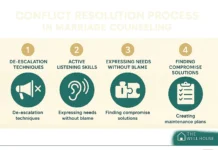
























Understanding the Roots of In-Law Conflicts
Common Causes of Tension
In-law conflicts often stem from differences in expectations, values, and communication styles. Clashes may arise due to disagreements about roles within the family, involvement in decision-making, or the frequency of visits. These tensions can be intensified by the natural desire to protect one’s own family dynamics and traditions.
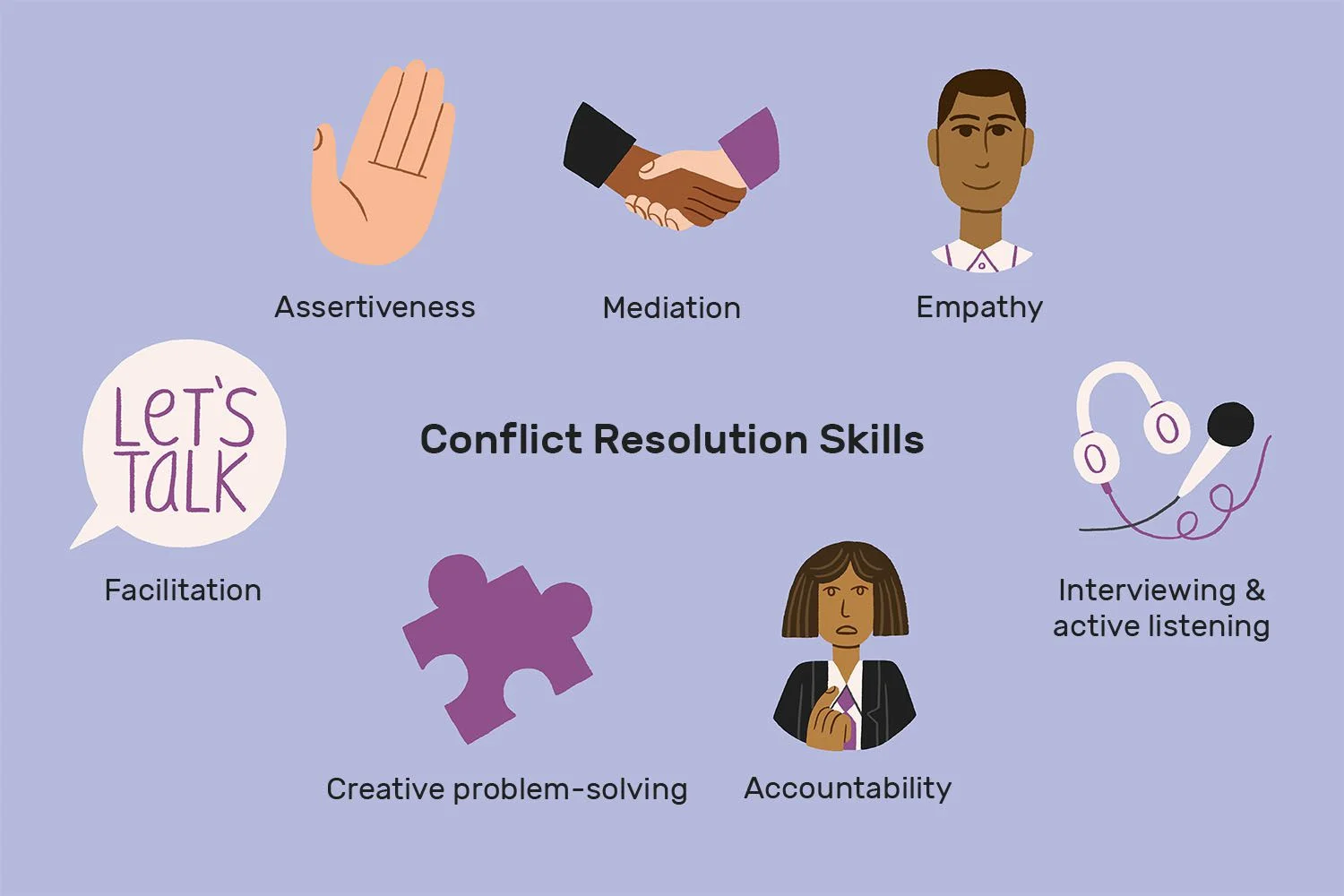
Psychological Dynamics at Play
Underlying these conflicts are psychological factors such as identity, loyalty, and perceived respect. In-laws may feel threatened by changes that a new family member brings, while partners may struggle to balance loyalty between their spouse and their family. Recognizing these dynamics helps in addressing the real issues rather than surface-level disagreements.
Fundamental Communication Skills to Apply
Active Listening Strategies
Active listening involves fully concentrating on the speaker, understanding their message, and responding thoughtfully. It requires avoiding interruptions and reflecting back what was heard to confirm understanding. This approach encourages openness and reduces misunderstandings commonly found in in-law conflicts.
Using “I” Statements to Express Feelings
Communicating feelings through “I” statements helps to avoid blame and defensiveness. Instead of accusing or pointing fingers, express how specific behaviors affect you emotionally. This technique keeps conversations focused on one issue at a time and promotes a more constructive dialogue.
Building Empathy and Mutual Respect
Techniques for Seeing the Situation from Their Perspective
Empathy can be nurtured by consciously trying to understand the in-laws’ viewpoints and motivations. Asking questions with genuine curiosity and assuming good intentions reduces misinterpretations. Viewing conflicts through their eyes builds bridges and softens rigid attitudes.
Establishing Boundaries Without Offense
Clear boundaries help manage expectations and prevent recurring disputes. Discuss and mutually agree on limits regarding involvement in family decisions or visit frequencies. Framing boundaries as ways to maintain harmony, rather than as restrictions, minimizes hurt feelings and preserves respect.
Step-by-Step Guide to Conflict Resolution Conversations
Preparing for the Discussion
Before addressing conflicts, take time to gather your thoughts and clarify your feelings. Identify the key issue and avoid bringing up unrelated matters. Preparation also involves setting a calm environment conducive to honest, respectful conversation.
Maintaining Calm and Composure
Managing emotions during discussions is vital. Practice patience and keep a conversational tone. Avoid interrupting and use body language that shows engagement and respect. Recognizing when to pause or take a break can prevent escalation and foster productive dialogue.
Finding Common Ground and Compromise
Focus on shared goals such as family well-being and relationship harmony. Collaborate on solutions that balance everyone’s needs. Compromise may involve adjusting expectations or accepting different approaches while maintaining mutual respect and understanding.
Preventative Communication Measures
Regular Check-ins and Open Dialogue
Consistency in communication helps prevent misunderstandings from growing into conflicts. Scheduling regular conversations to share feelings and concerns creates a safe space for openness. This practice builds trust and strengthens the family bond over time.
Celebrating Differences and Family Traditions
Rather than viewing differences as obstacles, embrace varied family customs and viewpoints. Celebrating these distinctions enriches relationships and reduces tension. Acknowledging each other’s traditions fosters appreciation and unity within the family network.
When to Seek External Help
Knowing the Signs That You Need Mediation
Persistent conflicts that negatively impact emotional well-being or family cohesion may require outside intervention. Signs include repeated arguments without resolution, escalating hostility, or feelings of isolation. Recognizing these indicators early can prevent deeper relational damage.
Professional Resources and Support Networks
Therapists, counselors, and family mediation services offer guidance to navigate complex in-law conflicts. Professional support provides tools for effective communication, conflict management, and emotional regulation. Seeking help demonstrates commitment to resolving issues constructively.