























Understanding the Dynamics of Long-Distance Friendships
Key Challenges Faced
Maintaining friendships over long distances presents several unique challenges. Physical separation can lead to feelings of disconnection and misunderstandings, often fueled by infrequent communication. Without face-to-face interactions, reading emotional cues becomes harder, which can strain the relationship. Additionally, busy schedules and time zone differences further complicate regular contact, causing friends to unintentionally drift apart.
Importance of Effective Communication
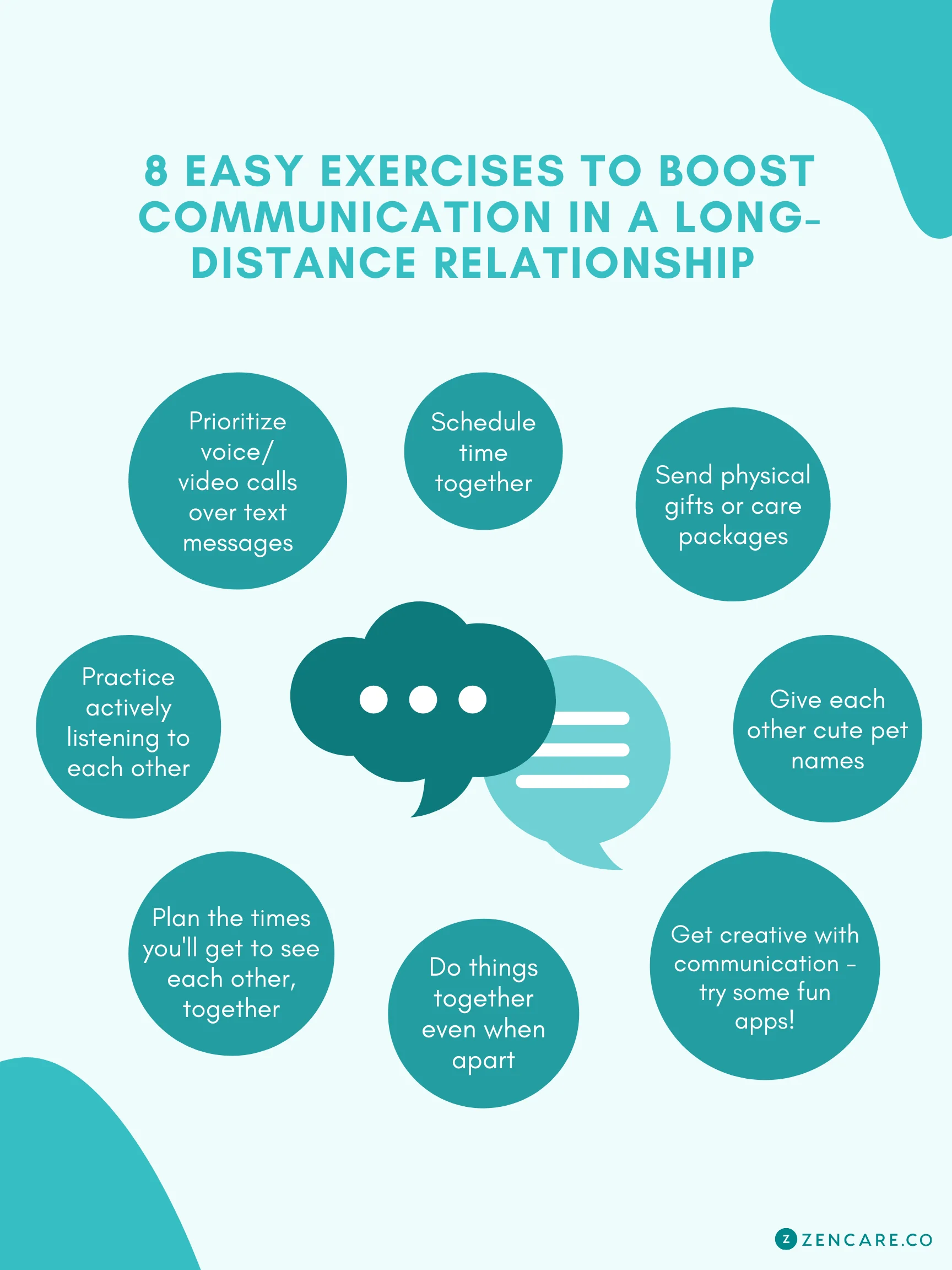
Effective communication is the cornerstone of sustaining any friendship, but it becomes even more critical when distance is involved. Without open and honest exchanges, assumptions and misinterpretations may arise, threatening the foundation of trust and closeness. Consistent communication helps bridge the physical gap, reaffirming emotional bonds and showing mutual commitment despite the miles. By prioritizing meaningful interaction, friends can navigate the complexities of long-distance relationships successfully.
Essential Communication Strategies
Choosing the Right Communication Tools
The problem often lies in relying on unsuitable or inconsistent communication channels. Some tools may not suit both friends’ preferences or lifestyles, leading to frustration and disengagement. For instance, texting might feel impersonal while calls might be inconvenient due to time differences. To overcome this, it’s important to select platforms that foster comfort and ease, whether it’s video calls for face-to-face connection or messaging apps that allow quick check-ins. Flexibility and mutual agreement on communication tools ensure both parties feel connected and valued.
Setting Regular Catch-Up Times
Irregular or sporadic conversations can cause friends to feel neglected or less important. When interactions become unpredictable, the bond weakens over time. Setting regular catch-up times addresses this issue by creating a dependable rhythm of connection. Scheduling weekly or monthly calls helps maintain momentum and offers both friends something to anticipate. This structure also respects busy lives by carving out intentional time to nurture the friendship rather than leaving it to chance.
Emotional Connection Beyond Distance
Practicing Active Listening
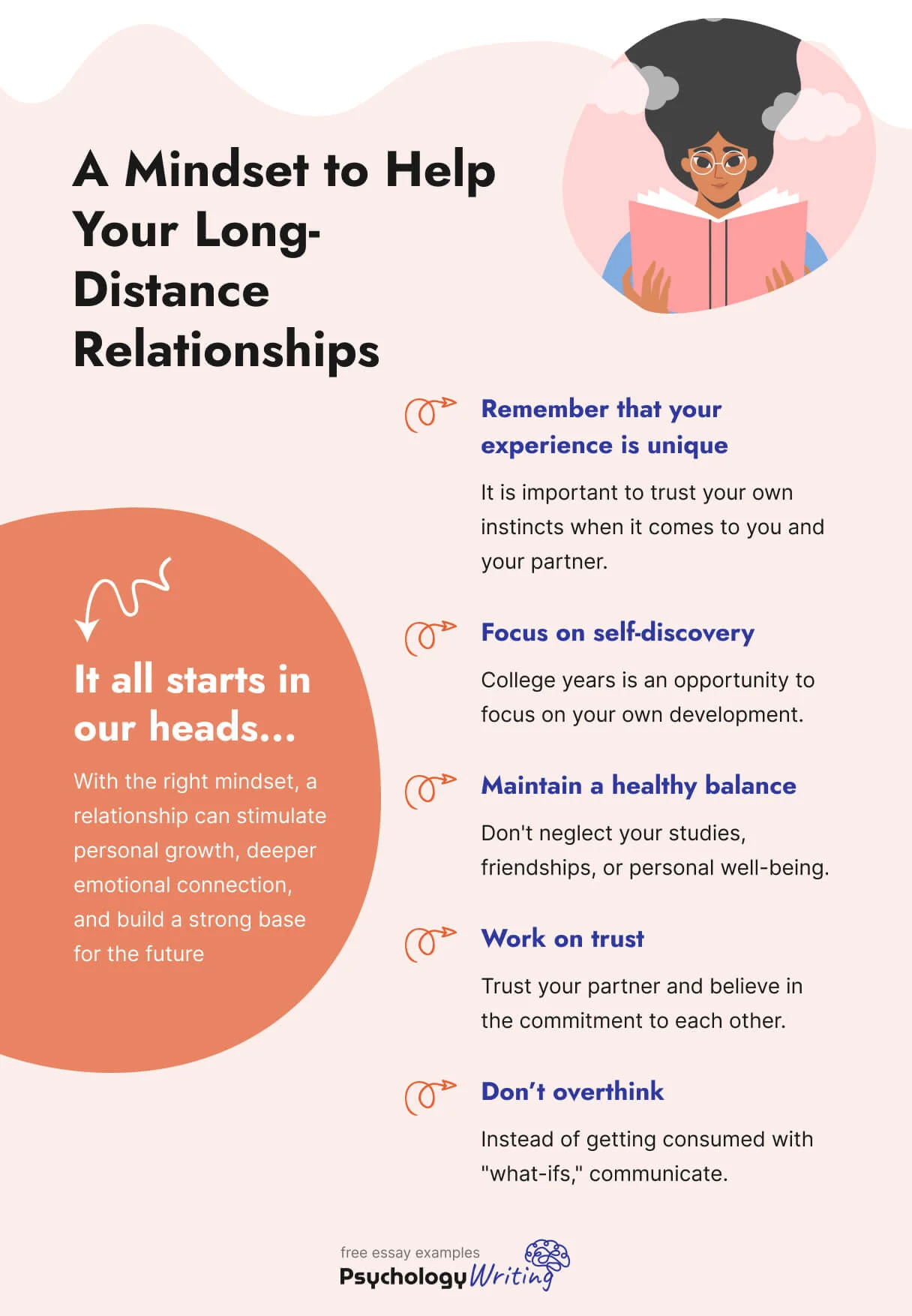
Long-distance communication can easily feel one-sided if friends do not fully engage with each other’s messages. The challenge is feeling heard and understood despite the physical gap. Active listening—truly focusing on what the other person is saying without distractions—builds deeper emotional intimacy. Responding thoughtfully and asking clarifying questions show genuine care and encourage openness, reducing feelings of isolation that distance might create.
Sharing Personal Updates and Life Events
Friends separated by miles often miss out on everyday moments that strengthen bonds. This absence can lead to feeling out of touch or unimportant. Sharing personal updates, whether big milestones or small daily happenings, maintains an ongoing narrative that ties friends together across distance. Sending video updates or sharing photos and stories keeps the relationship alive and dynamic, ensuring neither friend feels forgotten despite the separation.
Creative Ways to Stay Connected
Virtual Activities and Games
When physical presence isn’t possible, boredom or disinterest can set in, making communication feel less engaging and more obligatory. Incorporating virtual activities such as playing online games, watching TV shows simultaneously, or joining interactive challenges can invigorate long-distance friendships. These shared experiences provide fresh topics for conversation and recreate some of the fun times friends used to enjoy in person, fostering a sense of togetherness.
Sending Personalized Gifts and Letters
Another obstacle in long-distance friendships is the lack of tangible reminders of the relationship. The solution is sending personalized gifts or handwritten letters that carry sentimental value. This gesture shows effort and thoughtfulness, reinforcing emotional connections through physical tokens. Receiving a meaningful package or note can brighten a friend’s day and serve as a cherished symbol of the relationship’s importance.
Dealing with Misunderstandings Remotely
Clarifying Intentions Promptly
Misunderstandings happen more easily without face-to-face cues, and unresolved conflicts can fester over time. The key problem is letting misinterpretations undermine trust and affection. Addressing issues promptly by seeking clarification prevents unnecessary resentment. Approaching conversations with openness and a willingness to listen ensures both friends feel heard, reducing the negative impact of confusion or hurt feelings.
Using Empathy to Resolve Conflicts
In long-distance friendships, emotions can run high when disagreements occur, but physical separation might make resolution feel distant or impossible. Practicing empathy—putting oneself in the other’s shoes—helps create safe spaces for honest dialogue. Understanding the friend’s perspective softens tensions and encourages collaborative problem-solving. This approach transforms conflicts from relationship threats into opportunities for strengthening bonds.
Maintaining Long-Term Engagement
Adapting Communication as Friendships Evolve
Friendships naturally change over time, influenced by life events, priorities, and personal growth. The main challenge is resisting the urge to hold onto outdated patterns that no longer fit the dynamic. Accepting flexibility in how and when communication happens is essential. Recognizing that the character of the friendship may evolve—sometimes growing stronger or shifting in intimacy—allows both friends to remain connected without pressure or unrealistic expectations.
Balancing Digital and Real-Life Interactions
Eventually, relying solely on digital communication can feel limiting and impersonal, threatening the depth of a long-distance friendship. Finding ways to balance virtual contact with real-life visits, when feasible, addresses this issue. Mutual agreement on visiting frequency ensures both friends feel comfortable and committed without undue stress. This blend of digital interaction and in-person meetings nurtures a sustainable, meaningful friendship that endures the test of time and distance.