











Understanding the Importance of Low-Calorie Snacks in Weight Management
How Snacks Impact Your Calorie Deficit
Snacking can make or break your efforts to stay in a calorie deficit. While snacks are often seen as small and harmless, they can add up quickly when you indulge too frequently or choose high-calorie options. Many people underestimate just how many calories they consume through snacks, which can stall weight loss or even cause weight gain. Picking wisely and consuming snacks that are low in calories can support steady progress without the guilt of overindulging.

It’s also important to recognize that not all snacks are created equal. Some are packed with empty calories, loaded with sugars, salts, and unhealthy fats, which can leave you feeling sluggish rather than energized. Low-calorie snacks, on the other hand, help maintain steady energy levels and keep hunger at bay without pushing you out of your calorie range for the day.
Key Nutrients to Look for in Low-Calorie Snacks
When choosing snacks to support a calorie deficit, focus on nutrient-dense choices that provide both satisfaction and nourishment. Protein and fiber are especially crucial because they promote fullness, reduce cravings, and help regulate blood sugar levels. Including healthy fats in small amounts can also enhance flavor and satiety.
Look for options rich in vitamins and minerals, like fresh fruits and vegetables, which offer antioxidants and hydration benefits without packing in many calories. Whole grains add valuable complex carbohydrates and fiber, supporting digestive health and sustained energy. Ultimately, snacks with a good balance of protein, fiber, and healthy fats will keep you fueled and less likely to overeat later in the day.
Top 10 Low-Calorie Snacks to Keep You Full and Satisfied
Fresh Fruits and Vegetables with Dips
One of the simplest and most refreshing snack ideas is fresh fruits and vegetables paired with a flavorful dip. Sliced cucumbers, carrots, or bell peppers paired with hummus or salsa add crunch and taste without many calories. Fruits like apple slices or berries bring natural sweetness and hydration, making them excellent low-calorie choices.

These snacks not only provide fiber and essential nutrients but also allow you to enjoy variety in flavors and textures. Plus, adding a small amount of dip can make each bite more satisfying, reducing the urge to reach for less healthy alternatives.
Protein-Packed Snack Options
Protein is a key player for fullness, and many protein-rich snacks fit well under 100 calories. Options like nonfat Greek yogurt with a drizzle of honey, edamame pods, or small portions of cottage cheese with melon can help keep hunger in check. Nuts like almonds and pistachios are great too, but be mindful of portions since the calories can add up fast.
Incorporating these snacks ensures your body receives essential amino acids that support muscle maintenance and repair, which are important during any weight management plan. A protein-focused snack often translates to longer-lasting satisfaction between meals.
Crunchy and Savory Choices Under 100 Calories
Crunchy textures can satisfy the urge for snacks that feel substantial without breaking your calorie bank. Whole-grain pretzel sticks, dry oat squares cereal, or homemade air-popped popcorn offer that satisfying crunch with fewer than 100 calories.
Savory flavor profiles can be further enhanced with spices like paprika or nutritional yeast, providing a depth of taste without added fats or sugars. These options are wonderful for those moments when you want something more than just fruit or yogurt but still need to stay mindful of calories.
Creative Homemade Low-Calorie Snack Recipes
DIY Veggie Chips and Crisps
Instead of reaching for store-bought chips that are often loaded with unhealthy fats and sodium, try making your own veggie chips at home. Thinly sliced zucchini, kale, or sweet potatoes tossed in a little olive oil and seasoning, then baked until crisp, provide a delicious and nutrient-rich alternative.
Homemade chips allow you to control ingredients and portions, keeping calories low while enjoying the pleasure of something crunchy and satisfying. They’re also a fun way to experiment with flavors, such as adding a sprinkle of chili powder or garlic powder.
Healthy Smoothie Bowls and Parfaits
Smoothie bowls and parfaits can be crafted with low-calorie ingredients that offer volume and nutrients. Using a base of nonfat Greek yogurt or unsweetened almond milk blended with fresh or frozen fruits creates a creamy, sweet snack that feels indulgent without excess calories.
Layering with small amounts of berries, nuts, or seeds adds crunch and texture, while also boosting protein and fiber content. These snacks can be made ahead and stored in the fridge for convenient, ready-to-eat treats during busy days.
Portion-Controlled Trail Mixes
Trail mixes are perfect for combining a variety of flavors and nutrients, but they can easily become calorie traps if not portion-controlled. Make your own mix using measured amounts of almonds, pistachios, dried fruit, and a sprinkle of dark chocolate chips.
Careful attention to portions helps keep the calorie count down while providing a mix of protein, healthy fats, and natural sweetness. Storing them in small containers or snack bags makes it easy to grab a perfectly sized snack whenever hunger strikes.
Tips for Incorporating Low-Calorie Snacks Into Your Daily Routine
Planning and Prepping Snacks in Advance
One of the best ways to stay on track with low-calorie snacking is to prepare ahead. Washing and chopping fruits and vegetables, portioning nuts or dips, and having yogurt or protein-packed options ready can prevent you from reaching for unhealthy convenience snacks when hunger hits.
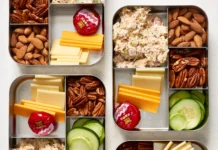
Setting aside time to create snack packs or assembling snack boxes ensures you always have a nutritious option at hand. This not only saves time but also minimizes impulsive choices that might sabotage your calorie goals.
Mindful Snacking Habits to Avoid Overeating
Mindfulness during snacking is essential to truly enjoy your food and avoid overeating. Take time to savor the flavors, notice the textures, and appreciate the colors of your snack. Eating slowly allows your body to register fullness signals, preventing you from mindlessly consuming extra calories.
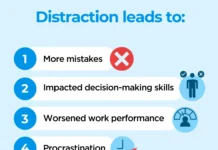
Try to avoid snacking in front of screens or while distracted, as this often leads to missing how much you have eaten. Being present during snack time can improve satisfaction and reduce the tendency to eat more than necessary.
How to Balance Snacking With Meals for Optimal Calorie Deficit
Adjusting Meal Portions When You Snack
If you include snacks in your day, consider how they fit with your overall meal plan. Sometimes snacking can replace a small portion of a meal, but not the entire meal itself. Adjusting your meal sizes slightly can help accommodate snacks without exceeding your calorie goals.
This balance prevents feelings of deprivation and keeps your energy levels steady. For example, a mid-morning snack might mean a slightly smaller lunch, ensuring your total daily intake supports your deficit.
Combining Macronutrients for Satiety and Energy
When planning snacks and meals, aim for a mix of macronutrients—protein, fats, and carbohydrates—to sustain energy and curb hunger effectively. Snacks that include all three provide a balanced burst of nutrition, helping to avoid blood sugar spikes and crashes that can trigger overeating.
Examples include pairing fruit (carbs) with nuts (healthy fats and protein) or yogurt (protein) with seeds (healthy fats). This combination encourages longer-lasting fullness and stable energy between meals.
Snack Swaps: Replacing High-Calorie Snacks With Healthy Alternatives
Common High-Calorie Snacks and Their Low-Calorie Substitutes
Many popular snacks are deceptively high in calories and low in nutrients. Potato chips, candy bars, and sugary baked goods are common culprits. Swapping these for fresh fruits, homemade veggie chips, or air-popped popcorn can drastically reduce calorie intake while boosting nutritional quality.
Another swap might involve replacing sugary sodas with flavored sparkling water or unsweetened iced tea. These changes may seem small but add up over time to create a calorie deficit that supports weight management.
Using Low-Calorie Snacks for Cravings and Emotional Eating
Cravings and emotional eating often lead to reaching for calorie-dense comfort foods. Having low-calorie snacks ready can help you manage these moments without derailing your progress. Options like a small bowl of berries, a fruit popsicle, or a handful of nuts can satisfy the urge to snack while keeping calories in check.
It’s also helpful to identify triggers for emotional eating and develop alternative coping strategies, such as going for a walk or practicing deep breathing. When you do choose to snack, selecting low-calorie, nutrient-dense foods ensures that your body benefits rather than suffers from the indulgence.