






















Understanding Mindful Breathing and Its Benefits
What Is Mindful Breathing?
Mindful breathing is a deliberate practice that involves paying full attention to the act of breathing. It means observing each inhale and exhale with a calm and focused awareness. Unlike regular breathing, where the process happens automatically, mindful breathing invites you to slow down and notice the sensations, rhythms, and depth of your breath. This simple act of turning your focus inward helps anchor your attention in the present moment, reducing distractions and promoting a sense of calm.
How Mindful Breathing Reduces Stress
When faced with stressful situations, the body often responds with shallow or rapid breathing, which can heighten feelings of anxiety or tension. Mindful breathing counteracts this by encouraging slower, deeper breaths, which help activate the parasympathetic nervous system—responsible for relaxation and recovery. This shift reduces heart rate and lowers blood pressure, creating a physiological environment that supports calmness. Over time, these brief moments of intentional breathing can help reset emotional responses, making it easier to manage stress as it arises.
Identifying Stress Triggers During the Workday
Common Workplace Stressors
The modern work environment contains a variety of stress triggers, from tight deadlines and heavy workloads to unclear communication and frequent interruptions. These factors can cause mental overwhelm and fatigue. Even seemingly minor stressors, like technical difficulties or conflicts with colleagues, accumulate and impact overall well-being throughout the day. Recognizing these common sources is the first step toward mitigating their effect through mindful practices.
Recognizing Early Signs of Stress
Often, stress signals appear in subtle ways before developing into full-blown anxiety or exhaustion. These early signs might include shallow breathing, muscle tension, irritability, or difficulty concentrating. Becoming aware of these physiological and emotional cues allows you to intervene proactively. Integrating mindful breathing as soon as these symptoms surface can help prevent stress from intensifying and promote a sense of control during challenging moments.
Simple Techniques to Practice Mindful Breathing at Work
3-Minute Breathing Exercises for Busy Professionals
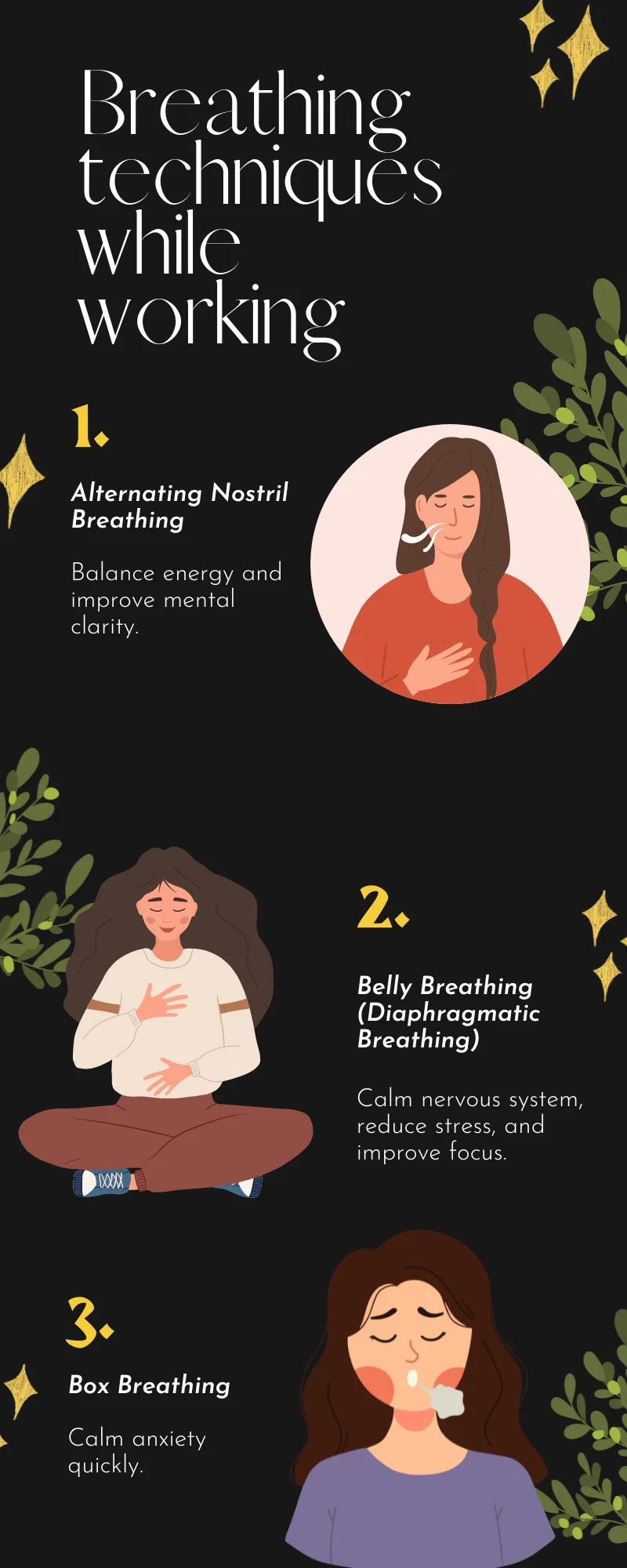
Even a brief pause can make a difference in your workday. A simple three-minute breathing exercise involves finding a comfortable seated position, closing your eyes if possible, and focusing on slow inhales through the nose followed by gentle exhales through the mouth or nose. Counting breaths or silently repeating a calming phrase during each inhale and exhale can deepen your focus. This practice requires minimal time but can quickly restore clarity and reduce tension.
Using Breath Awareness to Reset Your Mind
Breath awareness is a flexible tool that can be used anytime stress begins to build. Simply bringing attention to the natural flow of your breath interrupts the cycle of anxious or scattered thoughts. By observing inhalations and exhalations without judgment, your mind gradually shifts from reactive to receptive, allowing space for thoughtful responses instead of impulsive reactions. This mindful reset can improve decision-making and emotional balance during hectic periods.
Guided Breathing Apps and Tools for the Office
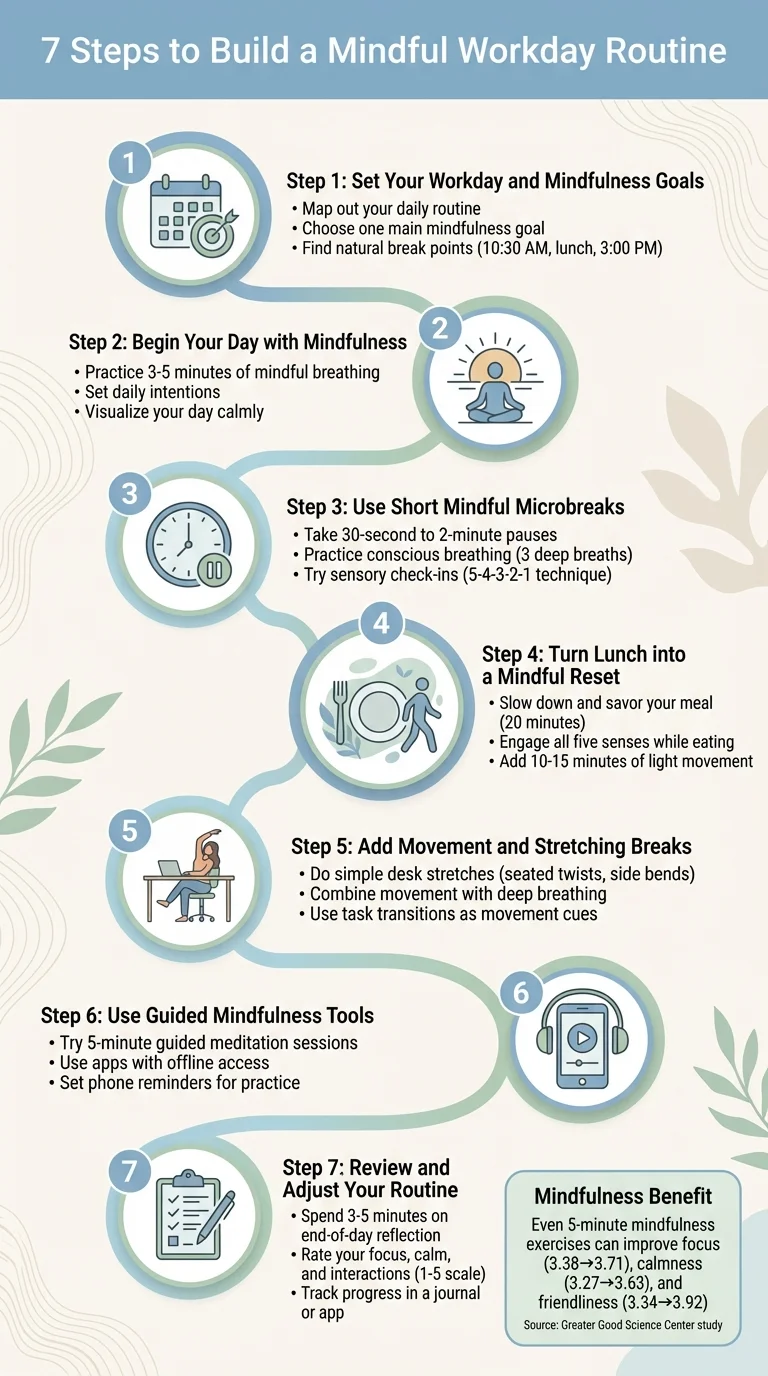
Technology offers accessible resources to support mindful breathing, especially for those new to the practice. Many apps provide gentle reminders, timed breathing sessions, and audio guidance that can be used discreetly at your desk or during breaks. Selecting a user-friendly tool that suits your schedule and preferences encourages consistency. These aids help maintain focus and provide structure, making it easier to build mindful breathing into daily routines.
Incorporating Breathing Exercises into Different Work Settings
Mindful Breathing at Your Desk
Your workspace can become a sanctuary for mindfulness by integrating breathing exercises into daily tasks. When feeling overwhelmed, taking a moment to close your eyes and focus on breathing can ground your attention. This practice does not require leaving your chair; even subtle breaths accompanied by body relaxation reduce stress. Small pauses during typing, reading, or phone calls can create pockets of calm, enhancing overall comfort and productivity.
Breathing Practices During Meetings and Breaks
Meetings often come with pressure and distraction, yet they also offer natural opportunities to practice mindful breathing. Before the meeting starts, consciously slowing your breath helps prepare your mind for focus and engagement. During breaks, brief breathing exercises can refresh your mental energy. Using moments like elevator rides or restroom visits to briefly reconnect with your breath may seem minor but contribute significantly to managing workplace stress.
Outdoor Walking and Breath Synchronization
Taking mindful breaths during outdoor walks combines physical movement with breath awareness, amplifying stress reduction benefits. Synchronizing your breath with each step helps create a rhythm that promotes relaxation and clarity. Whether during lunch breaks or short strolls between work sessions, this connection between breath and movement fosters mindfulness without requiring additional time commitments, blending naturally into your existing schedule.
Long-term Benefits of Consistent Mindful Breathing
Improved Focus and Productivity
Regular mindful breathing strengthens your ability to concentrate by training the brain to stay present. This enhanced focus reduces mental clutter and the urge for multitasking, allowing tasks to be completed more efficiently. Over time, workers report sharper attention spans and increased productivity, as mindful breathing supports clearer thinking and calmer decision-making throughout the day.
Enhanced Emotional Resilience
Mindful breathing cultivates emotional resilience by helping individuals respond thoughtfully rather than react impulsively to stressors. This increased awareness fosters patience, empathy, and balance when facing workplace challenges. As mindful breathing becomes a habitual practice, it supports steadier moods and a greater sense of well-being, improving interactions and overall job satisfaction.
Tips to Maintain a Daily Mindful Breathing Routine
Scheduling Regular Mindful Breathing Breaks
One effective way to incorporate mindful breathing is to set aside brief moments during the workday dedicated solely to this practice. Using a timer for around 60 seconds can serve as a reminder to slow down and ground yourself amidst busy schedules. Breaking your day into meaningful blocks — such as morning, midday, afternoon, and evening — encourages intentional check-ins with your breath. These planned pauses help transform mindful breathing from an occasional activity into an integrated habit.
Creating a Supportive Work Environment
Fostering a workplace culture that values mindfulness can make a significant difference in maintaining breathing practices. Encouraging colleagues to take mindful moments during breaks or meetings supports collective well-being. Recognize that mindfulness does not require extra time but can be naturally woven into existing activities. For example, commuting without distractions like the radio allows space to connect with your senses and practice breath awareness. Small adjustments in your environment enhance the ease and sustainability of mindful breathing routines.