



















Introduction to Full-Body Home Workouts
Benefits of Exercising with Minimal Equipment
Imagine Sarah, a busy mom juggling work and family, who felt she had no time or space for the gym. By switching to a home workout routine using just a dumbbell and her body weight, she noticed not only improved energy but also visible muscle tone within weeks. Exercising with minimal equipment cuts down on barriers like expensive gym memberships and crowded spaces. It also promotes creativity—turning your living room into a personal fitness zone. Beyond cost and convenience, these workouts tend to blend strength and cardiovascular training, giving you a comprehensive fitness boost even with limited gear.
Understanding Your Fitness Goals
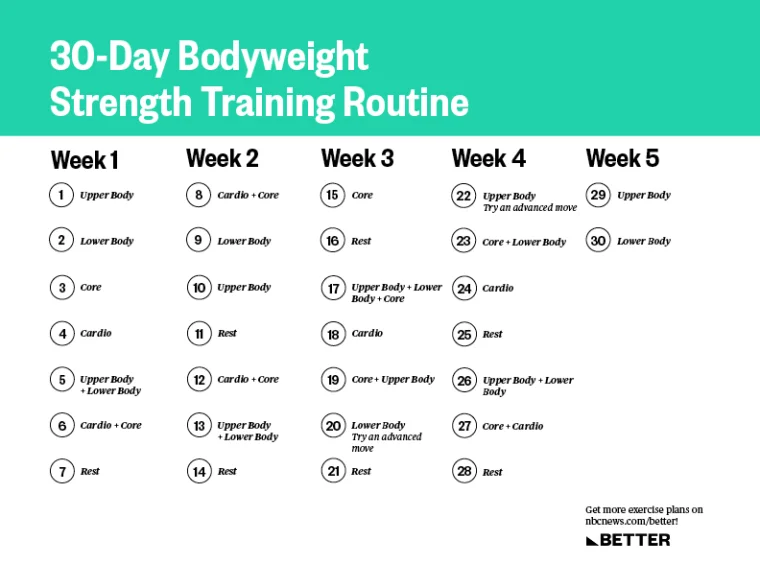
Before diving into any routine, it’s crucial to identify what you want to achieve. For instance, Tom’s goal was weight loss and muscle definition; he committed to a 28-day plan incorporating high-intensity circuit workouts with minimal equipment and saw great results. Others might focus on building strength or increasing endurance at home. Understanding your goals shapes how you choose exercises, the intensity, and progression strategies. Setting clear, realistic targets can help maintain motivation and track progress effectively.
Essential Equipment for Effective Home Workouts
Top Minimalist Tools and Their Uses
Not everyone has a home gym stocked with machines, but a versatile dumbbell or a kettlebell can be a powerhouse in your routine. These simple tools allow for adding resistance to various movements without clutter or steep costs. For example, a kettlebell goblet squat or dumbbell rows can significantly enhance strength training. Alongside these, items like an ab wheel or a bench offer options for engaging core muscles more intensely or supporting bodyweight exercises. Even a yoga mat can improve comfort during floor-based routines, protecting knees and elbows on hard surfaces.
Setting Up Your Workout Space
Creating a dedicated area for workouts encourages consistency. Consider how Michael transformed a small corner of his apartment into a mini gym, laying down a mat and keeping his dumbbell nearby. This setup eliminated excuses related to preparation time. A clutter-free, well-ventilated space with enough room to move safely is ideal. Setting up your equipment within reach, planning your exercise circuit, and ensuring lighting and ventilation can make workouts inviting and efficient.
Structuring Your Full-Body Workout Routine
Key Muscle Groups to Target
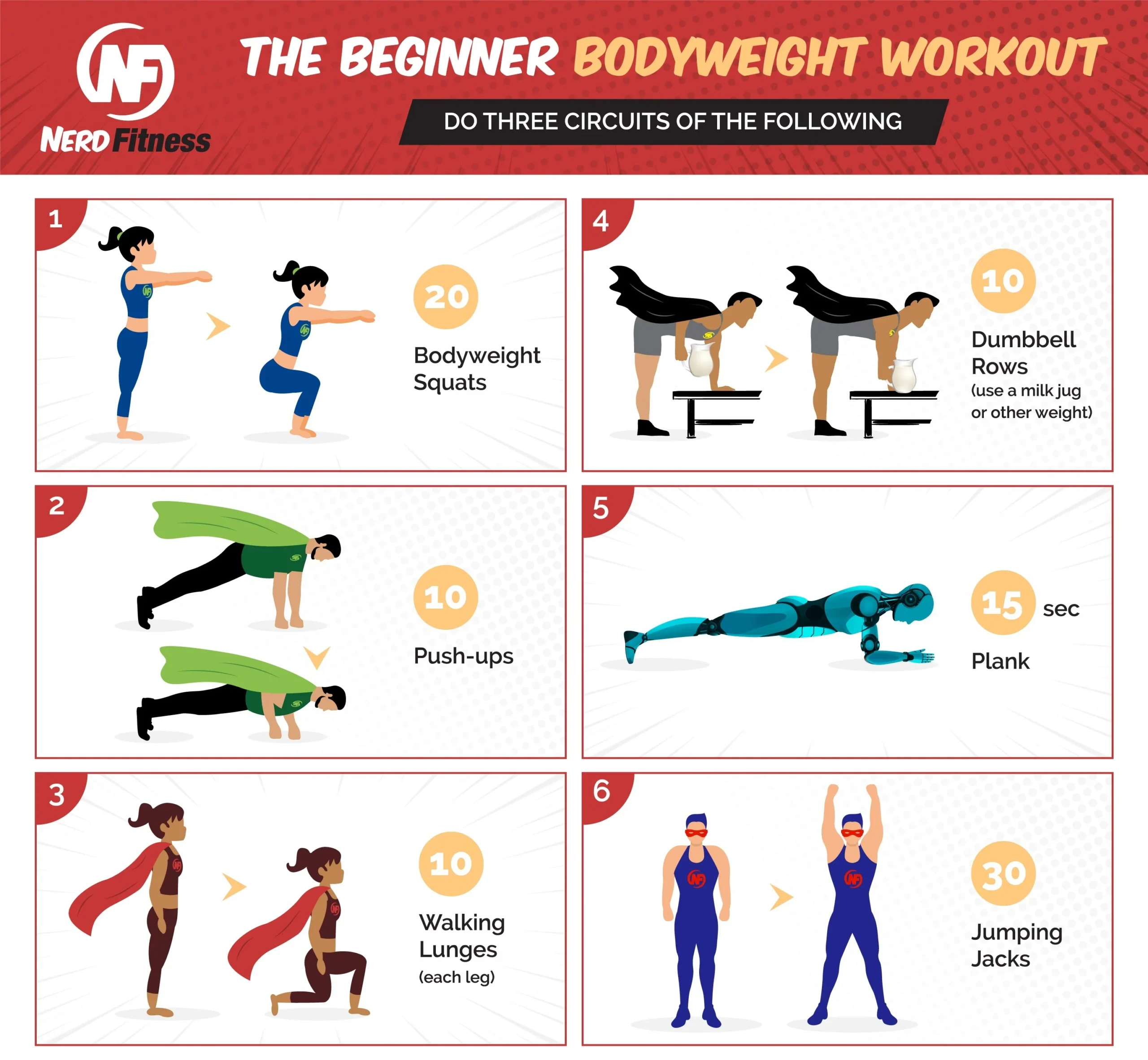
A balanced workout should address all major muscle groups: upper body, lower body, and core. This not only improves overall strength but also reduces injury risk and promotes better posture. For example, the routine might start with push-ups targeting the chest and arms, move to lunges or squats for legs, and include planks for the core. By engaging multiple areas, you ensure comprehensive fitness improvements rather than focusing on isolated muscles.
Sample Workout Split for Beginners
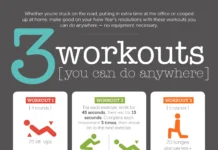
Beginners can start with a three-day split based on the equipment they have. Day I might include basic bodyweight exercises plus dumbbell or kettlebell moves. Day II could add a bench for exercises like step-ups or chest presses. By Day III, mixing two weights, an ab wheel, and the bench allows for a more diverse routine. Each session follows a circuit pattern—performing a set of exercises sequentially with short rests, then repeating. This keeps the heart rate elevated while building muscle, making workouts efficient for tight schedules.
Exercise Selection for Each Body Area
Upper Body Movements
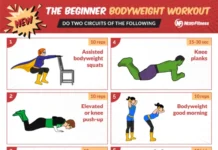
Upper body strength can be developed through exercises like push-ups, dumbbell rows, and shoulder presses. Starting circuits with push-ups serves as a warm-up, activating multiple muscles. If form becomes challenging, dropping to your knees or switching to dolphin push-ups can help maintain quality. Incorporating dumbbells enhances resistance, but it’s important not to sacrifice speed and form. Consistent practice builds arm, shoulder, chest, and back strength, which aids daily activities and improves posture.
Lower Body Exercises
Lower body workouts focus on quads, hamstrings, glutes, and calves. Squats and lunges remain staples, with variations like jump lunges providing a cardiovascular challenge. Land softly with bent or straight knees according to your fitness level to avoid strain and maintain control. Adding weights to frog squats can increase difficulty but beware of slowing your movement, which can reduce the circuit’s cardio benefits. Using a mat cushions your knees during floor exercises, making sessions more comfortable and sustainable.
Core Strengthening Techniques
Core stability is essential for balance and injury prevention. Planks, side planks, and ab wheel rollouts target abdominal and lower back muscles effectively. You can modify planks by holding a high or low position, switching sides every 30 seconds to engage different muscles. For added intensity, lift one leg at a time during planks, which challenges your balance further. Regularly integrating these movements not only defines your midsection but also supports overall functional fitness.
Progression Strategies with Limited Gear
Increasing Intensity Safely
Progression doesn’t require fancy equipment. Increasing reps, sets, or circuit rounds can push your limits safely. For example, after mastering push-ups on your knees, transition to full push-ups. You can also decrease rest time between exercises to boost cardiovascular benefits, as seen when Maria sped up her transition between lunges and planks. Adding light weights incrementally is another way to grow stronger without risking injury. Listening to your body and respecting form is paramount to avoid overtraining.
Incorporating Variations for Growth
Variety prevents plateaus and keeps workouts engaging. Swapping standard squats for jump squats or replacing push-ups with dolphin push-ups can activate muscles differently. When exercises feel too difficult or form slips, modifying by lowering impact helps maintain consistency—such as stepping back from full burpees to a low-impact alternative. Introducing new movements periodically, like using an ab wheel or bench if available, also promotes muscle adaptation and progress.
Tips for Consistency and Motivation
Tracking Progress Without a Gym
Tracking doesn’t require high-tech tools. Ali tracked her workout circuits, noting reps and weights used, which motivated her to beat her previous records. Using a simple notebook or fitness app to log sessions can illustrate progress visually, sparking motivation. Measuring improvements in strength, endurance, or even how your clothes fit offers tangible evidence that your effort is paying off, encouraging you to stick with the routine.
Staying Accountable at Home
Accountability can be challenging outside a gym environment. Setting a fixed schedule and treating workout times as important appointments helps. Sharing goals with a friend or joining online communities introduces social support. Additionally, laying out equipment beforehand prevents excuses related to preparation time. Remember the common pitfall of skipping rest or altering circuit structure—following the plan closely ensures you maximize benefits. Modifying exercises to maintain good form, instead of pushing through with poor technique, sustains long-term consistency and health.