



















Understanding the Benefits of Yoga for Stress Relief
The Science Behind Yoga and Stress Reduction
Yoga isn’t just a physical activity; it’s a holistic approach to calming both the body and mind. When you practice yoga, your breathing slows down and your heart rate lowers, signaling your nervous system to shift into a relaxed state. This relaxation response helps reduce stress hormones, making you feel calmer and more centered. The gentle movements and mindful breathing encourage a sense of peace, helping to clear the mental clutter that often accompanies stress.
Why Beginners Should Start with Simple Routines
Starting with simple routines can make yoga feel approachable and enjoyable. Complex postures can be overwhelming and might even discourage you from continuing. Beginners benefit from focusing on foundational poses that build confidence and help establish a steady rhythm. These basic movements not only prepare your body but also train your mind to stay present — a crucial skill for managing stress.
Preparing Your Space for a Home Yoga Practice
Choosing the Right Environment
Creating a peaceful environment is key when practicing yoga at home. Look for a quiet spot where you won’t be interrupted. Natural light and good ventilation can enhance the experience, making your space feel fresh and inviting. A clean, clutter-free area allows your mind to settle, and sometimes just a small corner with a yoga mat is enough to begin your practice.
Essential Equipment for Beginners
You don’t need much to get started. A comfortable yoga mat is your foundation, providing cushioning and grip. Props like yoga blocks or straps can assist with flexibility and alignment, making poses more accessible. If you have a sturdy wall nearby, it can be a great support tool for balance and modification in certain poses. Having these simple items within reach can encourage consistency in your practice.
Step-by-Step Guide to a Stress-Relief Yoga Routine
Warm-Up Poses to Ease Into Practice
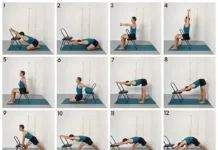
Starting your yoga session with gentle movements warms up the muscles and prepares your body for deeper stretches. Basic stretches such as neck rolls, shoulder shrugs, and gentle cat-cow poses help release tension stored in common stress areas. Think of this warm-up as a way to check in with your body and gently transition from the busyness of the day into a space of calm.
Core Poses Focused on Relaxation
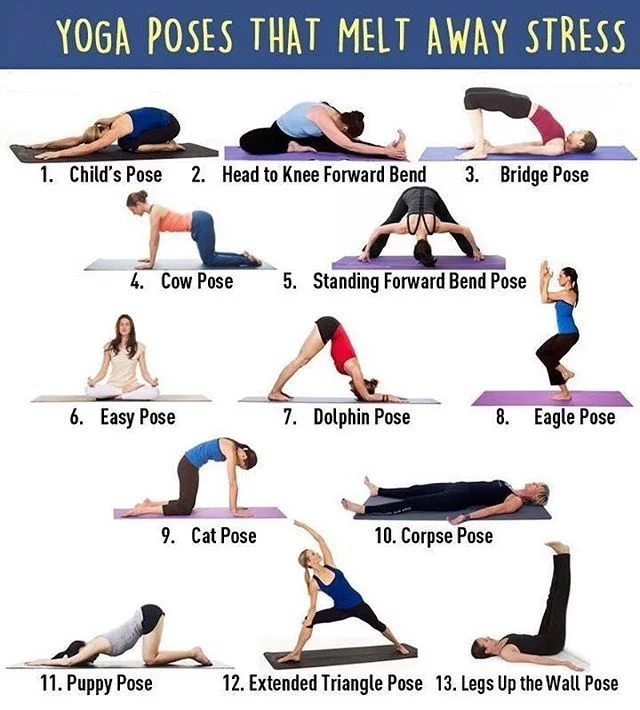
Once warmed up, moving into core poses that emphasize relaxation is key. Poses like child’s pose, forward folds, and gentle twists are effective at releasing built-up stress. These poses encourage you to connect with your breath, which deepens the relaxation effect. Regularly returning to foundational poses strengthens your ability to calm the mind no matter your skill level.
Cool-Down and Breathing Techniques
Ending your practice with a cool-down and focused breathing can be incredibly soothing. Simple breathing exercises, such as diaphragmatic breathing or alternate nostril breathing, help center your attention inward and promote a sense of balance. Taking time to lie down or sit quietly as you finish allows your body to absorb the benefits of your practice, leaving you refreshed and peaceful.
Tips for Maintaining Consistency and Tracking Progress
Creating a Schedule That Fits Your Lifestyle
Consistency is more important than intensity. Shorter yoga sessions, even just 10 to 15 minutes, can be surprisingly effective, especially when life feels hectic. Making yoga a regular pause in your day helps deepen your connection to yourself and your emotions. Try to carve out time at the same part of your day, whether it’s morning or evening, to build a habit that sticks.
Using Journals and Apps for Motivation
Keeping a journal or using yoga apps can support your journey with motivation and self-awareness. Writing down how you feel before and after each session can reveal patterns and progress you might otherwise overlook. Apps often provide structured routines and reminders, making it easier to stay committed. Tracking your practice encourages you to honor your limits and celebrate growth, both physically and mentally.
Additional Resources for Deepening Your Yoga Practice
Recommended Online Classes and Tutorials
Online classes can be a fantastic way to explore different styles and teachers right from your home. Many platforms offer beginner-friendly sequences focused on stress relief, allowing you to try various approaches until you find what resonates. Look for short, guided sessions that emphasize relaxation and breath awareness to enhance your experience.
Books and Communities to Join
Books about yoga philosophy and practice can deepen your understanding and inspire your routine. Communities, whether online or local, provide support and encouragement. Sharing experiences with others who are also learning can keep you motivated and open up new perspectives. Engaging with a community reminds you that yoga is not just a physical practice but a shared journey toward inner strength and peace.