





















Understanding the Power of Journaling for Emotional Health
How Journaling Influences Emotional Processing
Journaling is a powerful tool for processing difficult emotions because it encourages active engagement with inner experiences. When you write about your feelings, you externalize them, making abstract emotions more tangible. This process helps clarify thoughts and bring unconscious feelings to the surface, allowing for greater self-awareness. By articulating what you are going through, your brain begins organizing your emotions, which can reduce overwhelming sensations and provide a sense of relief.
Moreover, the act of writing provides a safe space where judgment is suspended. Without the fear of criticism, you can explore raw emotions with honesty, uncovering underlying causes and patterns. This reflection is an essential step in healing, as it transforms emotional chaos into manageable insights.
The Connection Between Journaling and Resilience
Developing resilience involves adapting to adversity and bouncing back stronger after challenges. Journaling supports this by fostering emotional regulation and perspective-taking. Writing about hardships and the ways you’ve coped encourages recognition of personal strengths and coping skills, which reinforces confidence during tough times.
Daily journaling acts as a resilience-building exercise. Over time, revisiting entries highlights growth and progress, reminding you of your capacity to endure difficulties. This documented journey strengthens mental toughness and nurtures a mindset that embraces adversity as an opportunity to learn, grow, and evolve.
Types of Journaling Prompts to Navigate Challenging Emotions
Prompts for Identifying and Naming Emotions
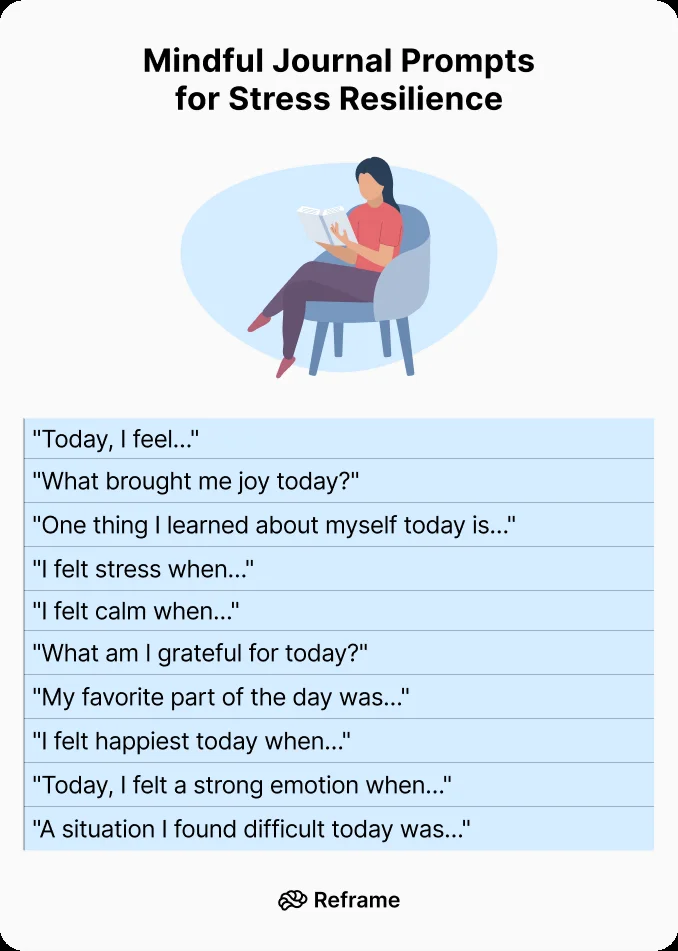
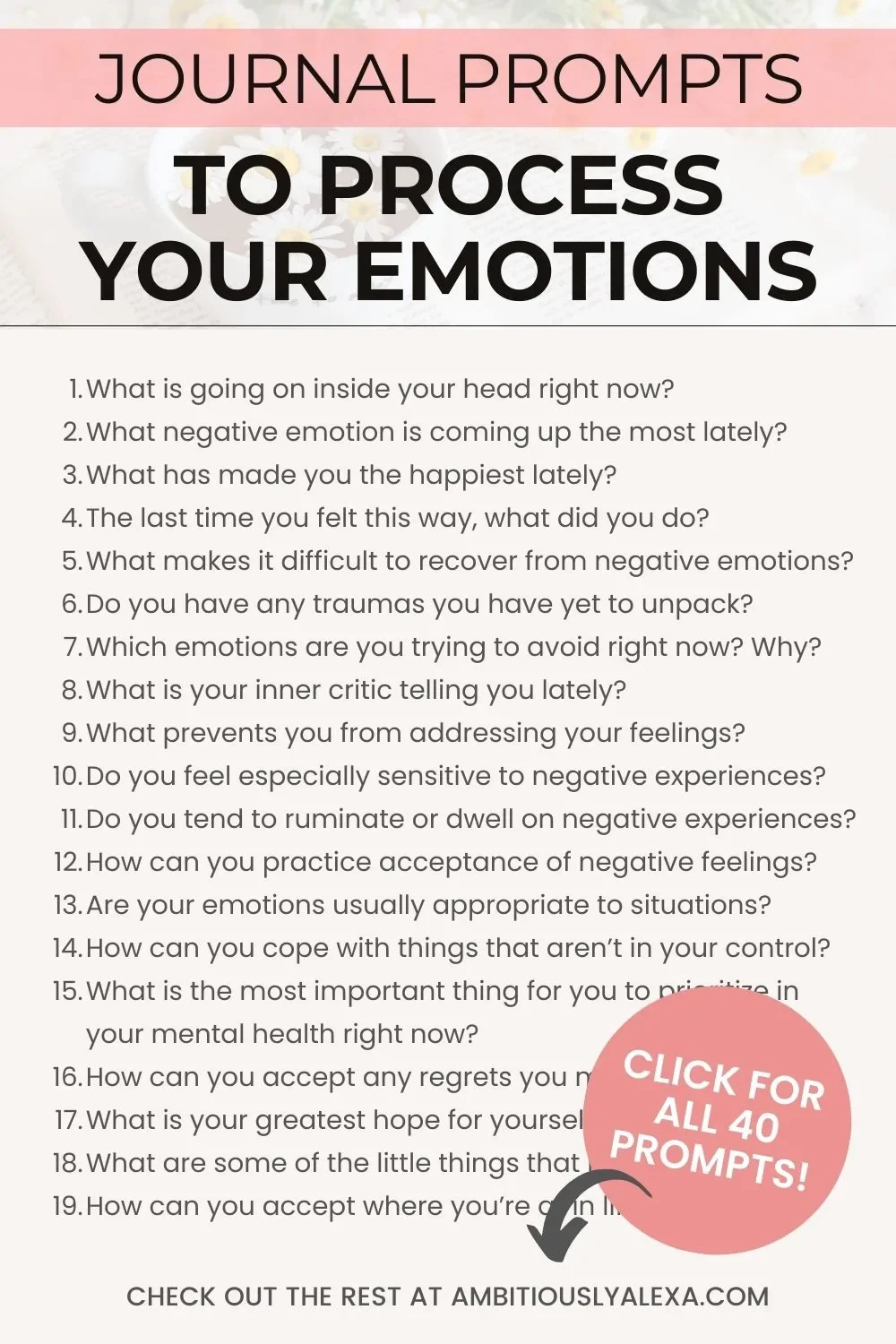
Identifying and naming emotions is the first crucial step in processing difficult feelings. Prompts designed for this purpose invite you to slow down and pay close attention to what you’re experiencing internally. For instance, a prompt might ask, “What emotion am I feeling right now, and where do I feel it in my body?” This encourages mindfulness and helps pinpoint specific emotions rather than vague sensations.
By labeling emotions, you gain clarity and reduce their intensity. Writing in response to these prompts also helps you move beyond “I feel bad” to a more detailed and nuanced understanding such as “I feel anxious and restless because of uncertainty at work.” This specificity is key to addressing your emotional needs effectively.
Reflective Prompts to Explore Emotional Triggers
Understanding what triggers difficult emotions deepens self-awareness, enabling you to anticipate and better manage future reactions. Reflective prompts often ask you to consider recent situations where strong feelings arose and to explore the context, thoughts, and physical sensations involved. For example, you might write about a conflict that stirred anger or sadness, analyzing what made it particularly impactful.
These prompts encourage you to investigate patterns, revealing recurring themes or beliefs that fuel emotional distress. Over time, this insight allows you to challenge unhelpful narratives and cultivate healthier responses, boosting resilience through conscious reflection.
Gratitude and Positivity Prompts to Shift Mindsets
While facing difficult emotions, it’s important to create space for positive experiences to balance your emotional landscape. Gratitude prompts ask you to list things you appreciate or moments of joy, even if small. Engaging in this practice daily can help reframe your mindset, highlighting the good amid challenges.
These prompts nurture optimism and increase emotional flexibility by reminding you of resources and strengths within your life. Shifting focus from problems to possibilities fosters emotional well-being and strengthens resilience against stress and setbacks.
Step-by-Step Guide to Using Prompts Effectively
Creating a Safe Space for Honest Writing
The foundation for effective journaling lies in cultivating a safe and sacred environment. Begin by choosing a comfortable, quiet space where you won’t be interrupted. Limit distractions by turning off electronic devices or placing them out of reach. This intentional setup signals to your mind that this time is devoted solely to self-care.
Allow yourself to write freely and without judgment. Remember, there are no rules or right or wrong ways to journal. This freedom encourages honesty and deepens emotional expression. If worries about grammar or coherence arise, gently remind yourself that the journal is for your eyes only, creating a judgment-free zone for exploration.
Setting a Journaling Routine That Supports Emotional Growth
Consistency is key when using journaling to process emotions and build resilience. Establish a routine that fits your lifestyle, whether daily or several times a week. Many find morning journaling particularly supportive, as it sets intentions and centers the mind for the day ahead. Avoid the temptation to immediately reach for your phone upon waking; instead, spend time in reflection or meditation before writing.
Protect this morning time by not scheduling calls or meetings before 10 a.m., creating an uninterrupted window for journaling. Small victories such as making your bed before journaling can build positive momentum and structure your routine. Setting daily intentions during journaling helps maintain focus and fosters emotional growth over time.
How to Reflect and Learn from Your Journal Entries
Reflection is a critical component of journaling’s benefits. After writing, take a moment to review your entries periodically. Notice recurring emotions, triggers, and how your responses evolve. This review helps consolidate learning and reveals coping strategies that have supported you during hardships.
If certain entries highlight patterns of negative thinking or fear-based paralysis, use this awareness as motivation to change perspectives or behaviors. Remember, journaling is a process, and patience is important, as it can feel hard initially but becomes a supportive companion through your emotional journey.
Incorporating Journaling Into a Resilience-Building Routine
Combining Journaling with Mindfulness and Meditation
Integrating journaling with mindfulness and meditation enhances emotional resilience. Begin your sessions with meditation or quiet reflection to ground yourself in the present. This practice clears mental clutter and prepares your mind to engage deeply with your journal.
Mindfulness encourages observing your emotions without judgment, creating a calm foundation for processing difficult feelings through writing. This synergy helps reduce fear-based paralysis by promoting acceptance and presence, key elements in building emotional strength.
Journaling Prompts for Building Long-Term Emotional Strength
To cultivate lasting resilience, use prompts that foster growth-oriented thinking. For example, write about past challenges you have overcome and identify the personal qualities that helped you succeed. Reflect on how adversity has contributed to your evolution as a person.
Setting future-focused prompts can also inspire hope and intention-setting. Describe your ideal emotional state or the habits you want to develop to handle stress better. Engaging regularly with these forward-looking prompts reinforces your growth mindset and emotional durability.
Creative Journaling Techniques for Deeper Emotional Insight
Visual Journaling and Artistic Expression Prompts
Sometimes words alone are not enough to capture complex emotions. Visual journaling offers an alternative by allowing you to express feelings through drawings, colors, and symbols. Artistic expression helps bypass intellectual barriers and taps into deeper emotional layers.
Prompts might encourage you to paint how anger feels or sketch a safe place that brings comfort. These creative exercises open new pathways to understanding and healing by engaging different parts of the brain and allowing emotions to surface in unique forms.
Dialoguing With Inner Voices Through Writing Prompts
Another powerful technique is writing dialogues with your inner voices or conflicting parts of yourself. Prompts ask you to have a conversation between the fearful part and the courageous part of your mind. This dialogue creates space for compassion and integration of different emotional perspectives.
By externalizing inner conflict onto the page, you can negotiate, validate, and ultimately soften harsh self-judgments. This process deepens self-understanding and promotes emotional resilience by fostering internal harmony.