





















Understanding Adult Acne: Causes and Challenges
Common Triggers in Adulthood
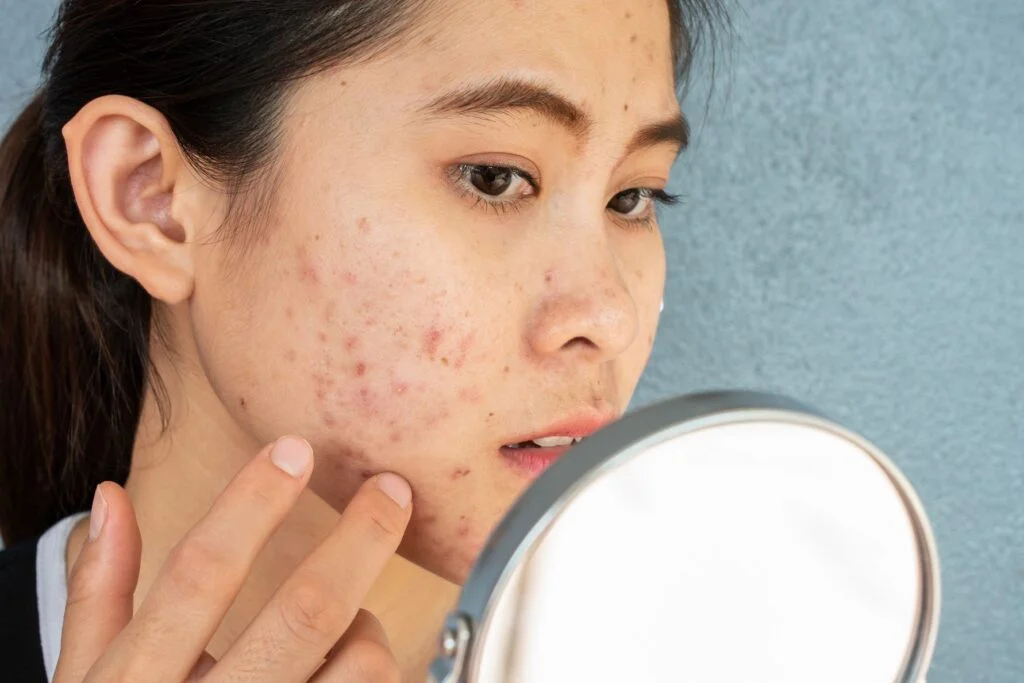
Adult acne is influenced by a variety of factors that differ from teenage acne. These triggers often include hormonal fluctuations, environmental stressors, and lifestyle habits. Acne can appear on the face, back, chest, neck, and upper arms where sebaceous glands are active. Identifying specific triggers is crucial for effective management, as adult acne often involves more complex causes than simply excess oil production.
Role of Hormones and Stress
Hormones play a pivotal role in adult acne development, especially fluctuations in insulin and IGF-1 levels. Stress amplifies these hormone imbalances while increasing cortisol, which can further inflame the skin and worsen breakouts. Understanding and addressing the hormonal and emotional factors behind acne offers a more holistic approach rather than merely treating symptoms.
Dietary Adjustments for Clearer Skin
Foods to Incorporate for Acne Prevention
Incorporating low glycemic index foods helps stabilize blood sugar and reduce insulin spikes linked to acne. Colorful vegetables and fruits provide antioxidants and reduce inflammation. Omega-3 fatty acids, found in foods like fish and flaxseeds, also help lower IGF-1 levels and support clearer skin. Fiber-rich foods improve gut health, which is increasingly recognized for its role in skin clarity.
What to Avoid: Foods That May Aggravate Acne
Sugary foods and high glycemic carbohydrates can worsen acne by increasing insulin and IGF-1 hormone levels. Excessive consumption of omega-6 fatty acids, common in processed foods, tends to promote inflammation. Limiting these foods can reduce flare-ups and support a more balanced skin environment over time.
Skincare Routines That Support Natural Healing
Gentle Cleansing Techniques
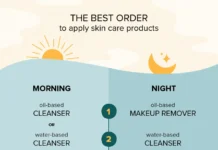
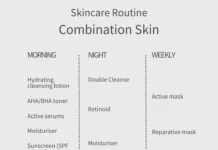
Washing the face twice daily with a gentle cleanser maintains skin hygiene without over-drying or irritating it. Over-cleansing or harsh scrubbing disrupts the skin barrier and may worsen acne. Light exfoliation once or twice a week can help remove dead skin cells and prevent clogged pores. Avoid touching or picking at spots to reduce bacterial spread and scarring.
Natural Ingredients to Look For
Opt for skincare products with ingredients that soothe and repair the skin rather than harsh chemicals. Anti-inflammatory agents and non-comedogenic formulations help maintain balance. Checking product ingredients carefully ensures they do not cause irritation or clog pores. Daily sun protection using suncream is important to prevent pigmentation and support healing.
Lifestyle Habits Impacting Skin Health
Importance of Regular Exercise
Exercise promotes circulation and helps regulate hormone levels, which can reduce acne severity. However, proper hygiene post-exercise is crucial. Removing makeup before workouts, using a clean towel, washing the face immediately after sweating, and laundering workout clothes frequently minimize bacteria and sweat-related breakouts.
Sleep Patterns and Acne Reduction
Consistent, quality sleep supports hormonal balance and skin repair processes. Poor sleep elevates stress hormones, increasing inflammation and acne risk. Prioritizing restful sleep improves overall skin health and aids in natural healing over time.
Stress Management Strategies
Mindfulness and Meditation Practices
Practicing mindfulness and meditation helps reduce cortisol levels, minimizing stress-induced inflammation that contributes to acne. Integrating these practices encourages a calm mind and balanced hormones, which is beneficial for long-term skin clarity.
Daily Habits to Lower Stress Levels
Incorporating regular self-care routines, such as deep breathing, light exercise, and hobbies, promotes mental wellness. Understanding personal stress triggers allows better control, reducing the negative impact of stress on the skin.
Hydration and Its Role in Skin Clarity
How Water Intake Affects Acne
Staying well-hydrated supports detoxification and maintains skin elasticity. Drinking plenty of water helps flush toxins, which may reduce the occurrence of breakouts. Proper hydration assists in preserving the skin’s natural barrier and minimizing dryness and irritation.
Benefits of Herbal Teas and Natural Drinks
Herbal teas with anti-inflammatory properties, such as green tea or chamomile, can soothe the skin internally. Natural drinks rich in antioxidants complement hydration efforts and support skin health by reducing oxidative stress.
Long-term Commitments: Patience and Consistency
Tracking Progress and Adjusting Habits
Successful reduction of adult acne requires consistent lifestyle and skincare adjustments over time. Tracking skin response to dietary changes, products, and habits helps identify individual triggers and effective strategies. Consulting with a naturopathic doctor can offer personalized plans tailored to root causes rather than temporary symptom relief. Patience and persistence are key to achieving lasting clarity.