




















Understanding Your Space Requirements
Assessing Available Area and Layout
Before setting up your home workout space, it’s crucial to realistically evaluate the room you have. Many people think they need a large area to exercise effectively, but the truth is, even a space just big enough to lay down for a plank can serve as a solid foundation for your workouts. Consider what parts of your home are less cluttered or underutilized—maybe a corner of your bedroom, a section of the living room, or even a hallway can be transformed.
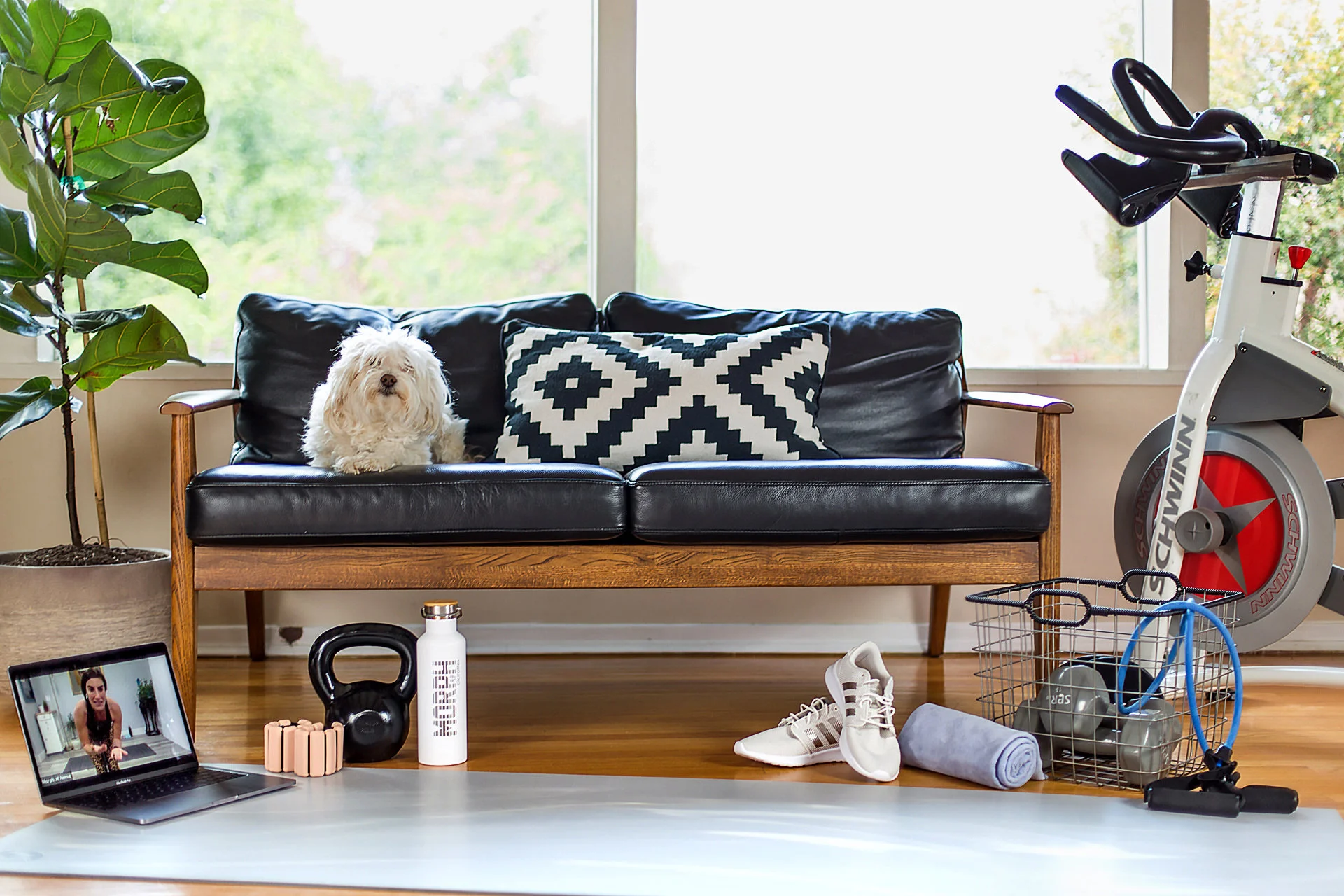
Take measurements and observe the layout. Is the floor flat and free from obstacles? Are there sturdy walls or furniture nearby you can use for support during certain exercises? Understanding these physical aspects helps determine what kind of movements and equipment will fit. This approach sets the stage for creativity rather than limitation.
Choosing the Right Spot for Motivation and Focus
Motivation plays a huge role in sticking to a daily workout habit. Picking a spot that inspires you can do wonders. Natural light is a big plus—it energizes and uplifts mood, making it easier to engage in exercise. If your space lacks windows, adding bright, warm lighting can mimic this effect and keep you focused.
Additionally, look for a location where distractions are minimal. Maybe it’s away from noisy TV screens or bustling family areas. This helps create a mental “workout zone,” cueing your brain that it’s time to move. The ambiance you cultivate will influence how motivated you feel to use the space consistently.
Essential Equipment for Small Spaces
Compact and Multi-functional Workout Gear
When space is limited, every piece of equipment must earn its keep. Adjustable dumbbells are a fantastic choice—they save space and allow you to increase resistance gradually as your strength improves. Opt for flat-ended designs to prevent them from rolling away and causing accidents.
Resistance bands complement dumbbells perfectly; they take up almost no room, provide versatile resistance levels, and work well for strength training and mobility exercises. Look for a set that covers a range of resistances, like Rogue Monster Bands, so you can tailor workouts to your needs.
Don’t overlook the value of a high-quality yoga mat as your workout base. It cushions joints, defines your workout area, and keeps your space hygienic. Choosing one that is certified safe and easy to clean ensures long-term usability.
DIY Equipment Alternatives
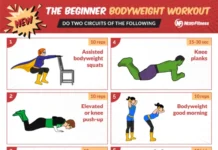
Sometimes the best equipment is what you create yourself. A sturdy chair or stool doubles as a prop for elevated push-ups or assisted squats. A simple towel folded “hotdog style” can be used for bodyweight rows by anchoring it in a doorway, offering a pull exercise without machines.
Even your own body can become versatile equipment. Walls can facilitate push-ups or assisted lunges, and slowing down your movements increases time under tension, making exercises more challenging. These low-cost alternatives empower you to remain consistent despite minimal gear.
Designing an Efficient Workout Zone
Optimizing Floor Space and Storage Solutions
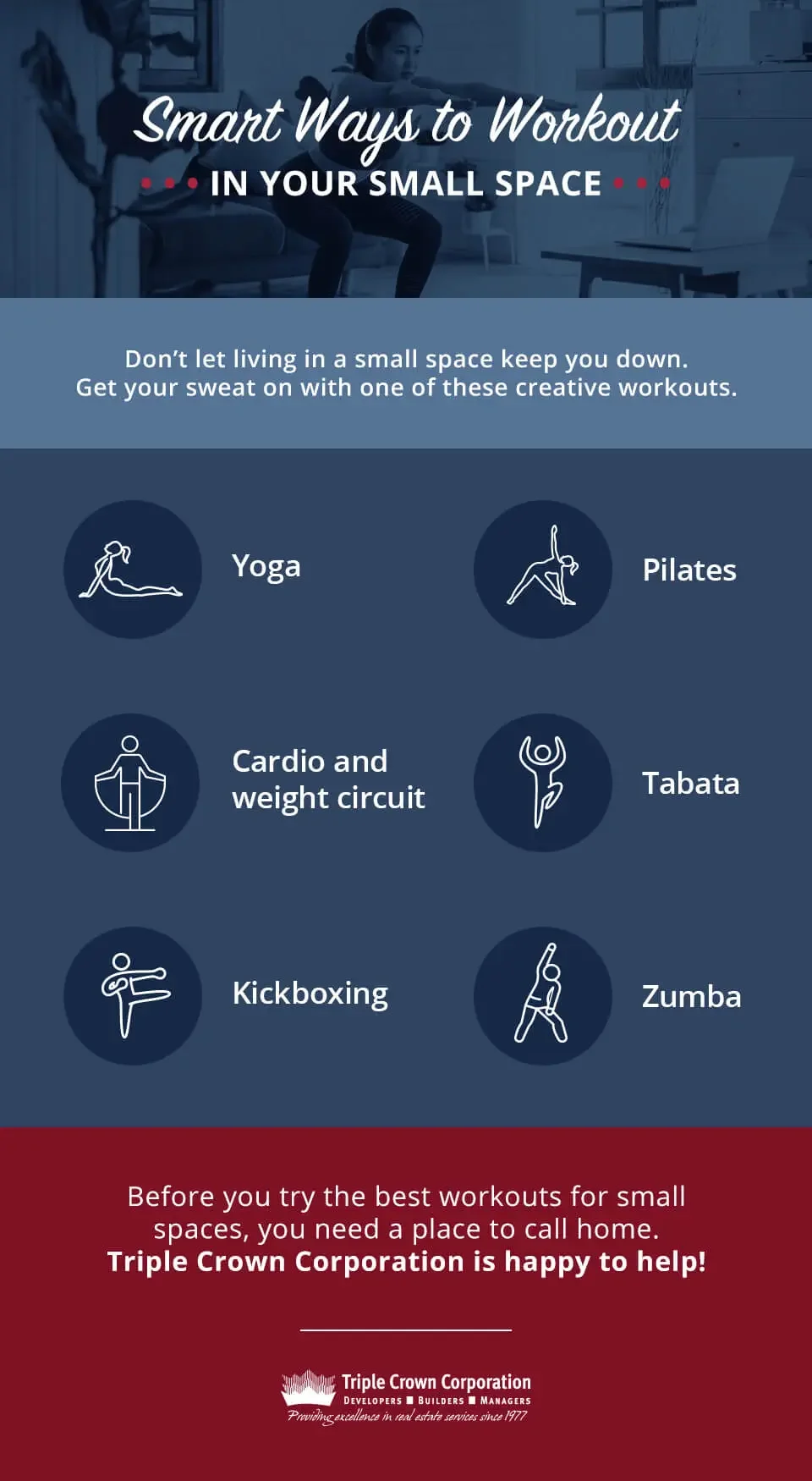
Efficiency in small spaces is all about thoughtful organization. Use vertical storage like wall hooks or shelving to keep resistance bands, towels, and small equipment off the floor but within reach. This frees up space for movement and keeps your workout gear tidy.
Consider investing in a floor stand for your adjustable dumbbells. Not only does it protect your back by reducing the need to lift weights from the ground, but it also neatly organizes your equipment. Folding or stackable furniture can double as storage spots, maintaining an uncluttered environment.
Incorporating Mirrors and Lighting to Enhance Ambiance
Adding a wall mirror is a game-changer in small workout areas. A mirror visually expands the space and allows you to check form, which is vital for injury prevention and improving results. It creates a gym-like atmosphere, boosting your motivation.
Lighting, both natural and artificial, sets the mood. Bright, diffuse lighting helps keep energy levels up, while adjustable options let you create a calming ambiance for cool-downs or stretching sessions. Thoughtful lighting increases your desire to spend time in your workout zone daily.
Creating a Daily Workout Routine
Balancing Cardio, Strength, and Flexibility
A well-rounded routine combines cardio, strength, and flexibility to enhance overall fitness and health. Small spaces don’t have to limit your options. For cardio, start with simple outdoor walks if conditions allow, or use compact equipment like mini steppers or indoor bikes for low-impact, joint-friendly sessions inside.
Strength training is key to maintaining muscle mass and metabolic health, especially as we age. Incorporate bodyweight exercises that target push, pull, and lower-body muscles. Using your equipment like resistance bands or dumbbells adds variety and progression. Stretching and mobility work with yoga mats or foam rollers promote flexibility and aid recovery.
Adjusting Routines Based on Space Limitations
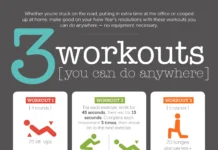
If your workout area is especially tight, design routines that require minimal movement, such as circuits combining bodyweight exercises performed in place. Utilize walls or chairs for assisted versions that increase safety and effectiveness.
Another strategy is unilateral training—working one limb at a time. This reduces space needs and helps correct muscle imbalances. Slowing down the tempo of your exercises also increases intensity without requiring more space or equipment.
Maintaining Motivation in a Compact Setup
Setting Milestones and Tracking Progress
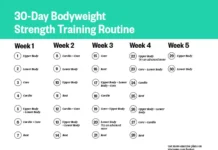
Consistency is easier to achieve when you have clear goals and visible progress. Setting small, achievable milestones—like completing a circuit three times without rest or increasing the reps of a difficult exercise—keeps your motivation alive. Tracking progress can be as simple as jotting down reps or using apps that record workout history.
Celebrate each milestone. Recognize that every step forward is a win, regardless of how small your space might be. These victories build momentum and reinforce the positive habit of daily exercise.
Utilizing Technology and Apps for Guidance
Technology offers tremendous support for those working out at home. Apps such as SunnyFit provide access to guided workouts, training programs, and progress tracking designed specifically for small spaces. They help maintain structure and introduce variety, preventing boredom.
Many apps also sync with equipment like adjustable dumbbells or resistance bands, enabling you to follow tailored routines that grow as you do. This interactive approach brings motivation, discipline, and expert guidance into your compact workout corner, making it feel like a personal gym.