




















Introduction to Small Space Home Workouts
Why Optimize Your Limited Space for Workouts?
Limited space can feel like a barrier to consistent exercise, but it doesn’t have to be. Optimizing a small area for workouts allows you to maintain a regular fitness routine without needing a large dedicated gym. It creates convenience and eliminates common obstacles such as gym intimidation, overcrowding, or bad weather.
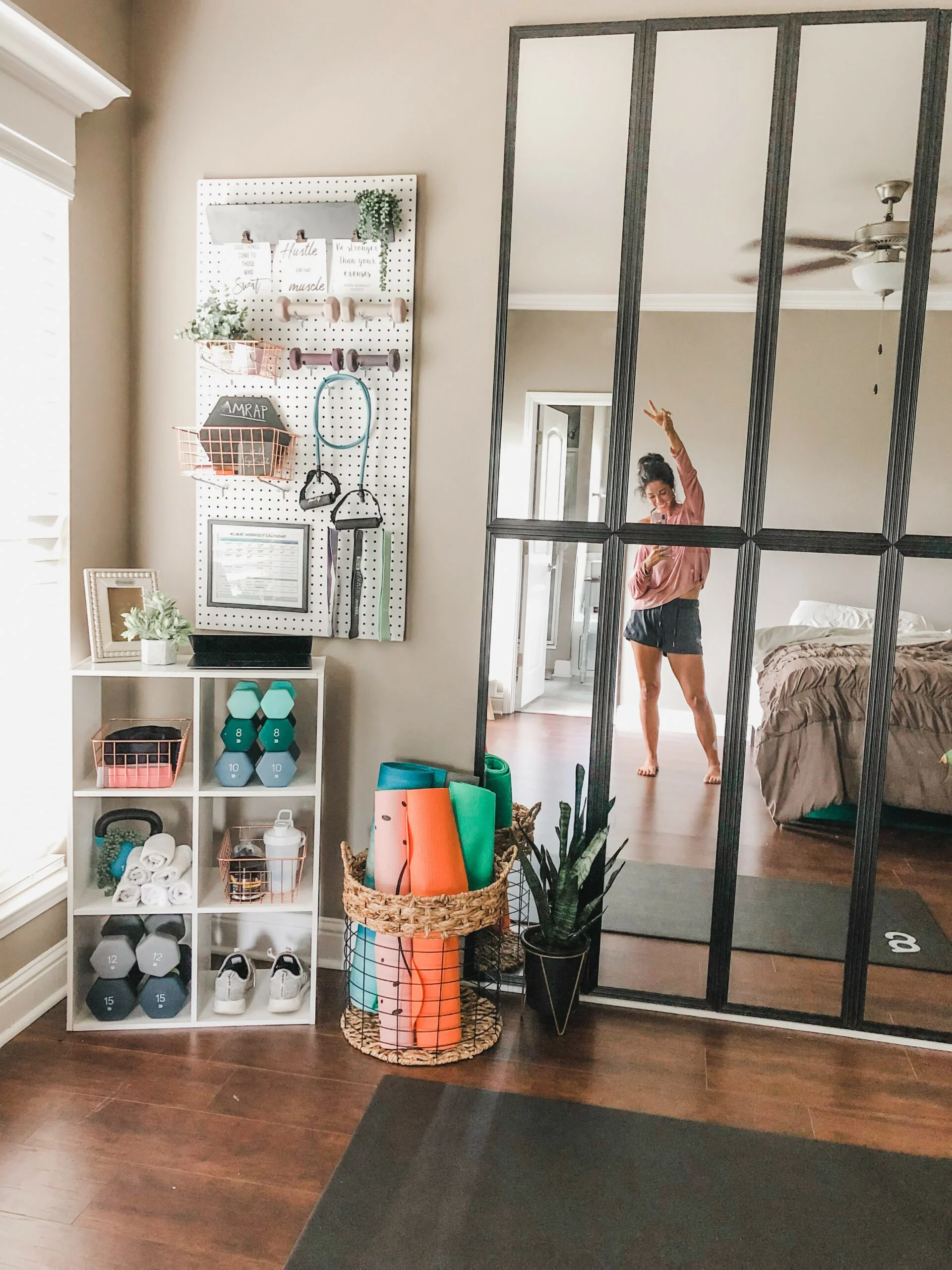
By setting up an efficient workout space, you reduce excuses related to time, travel, and accessibility. With the right approach, even a corner of a bedroom, garage, or basement can transform into a functional gym that supports a variety of exercises and fitness goals.
Benefits of Exercising at Home
Exercising at home offers several advantages. It provides privacy and flexibility to work out whenever you want. You save money on gym memberships and reduce commuting time. Home workouts can also be tailored specifically to your needs, using equipment that suits your space and fitness level.
Furthermore, working out in your own space encourages consistency. You can integrate your routine into daily life with minimal disruption, which helps build sustainable long-term habits. The ability to track progress and customize workouts enhances motivation and results.
Assessing and Preparing Your Space
Choosing the Right Spot
Selecting the ideal location is crucial. Look for a space with enough room to move comfortably and safely. It should have good lighting and ventilation to keep the environment pleasant. Avoid small, cluttered, or stuffy areas that might hinder your workout or cause distractions.
Consider areas like a bedroom corner, part of a garage, or a basement nook. The space should be free from interruptions and noise when possible. Personal preference plays a role too — some may prefer natural light or proximity to a speaker system for music.
Clearing and Organizing for Safety and Function
Before adding equipment, clear out any unnecessary items. Remove clutter to prevent tripping hazards and create an open, inviting area. Organize what remains so you can easily access workout gear without fuss.
A clean environment boosts motivation and focus. Use storage solutions to keep equipment off the floor and maintain an orderly space. Personal touches like motivational artwork or scented candles can enhance your workout atmosphere.
Essential Equipment for Small Space Workouts
Multi-Functional Gear to Maximize Space
Choosing versatile equipment is key. Adjustable dumbbells replace multiple fixed weights, saving valuable room. Resistance bands provide a full range of strength training and rehabilitation options without bulky machines.
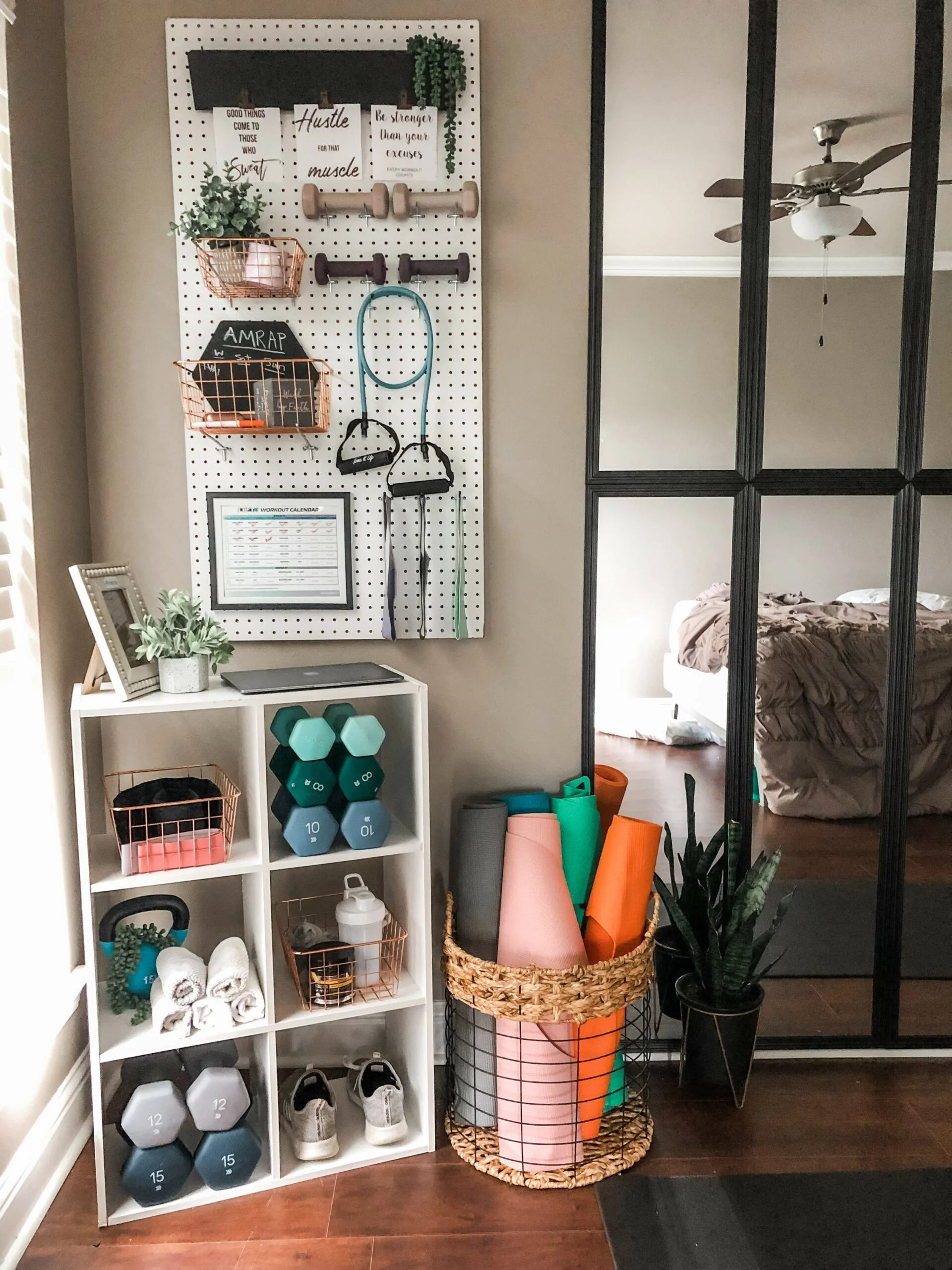
Incorporating compact cardio options like mini steppers or indoor bikes combats weather-related workout interruptions. Adjustable benches with ladder systems allow quick modifications for various exercises while conserving space. Wall-mounted racks and cable systems offer all-in-one setups, keeping gear organized and accessible.
DIY Alternatives and Budget-Friendly Options
Not everyone needs expensive equipment. Simple DIY alternatives can supplement your routine. Using household objects like sturdy chairs for step-ups or water bottles as light weights helps keep costs down.
Investing in affordable basics such as yoga mats, jump ropes, stability balls, and TRX bands enables diverse workouts. Gradually building your equipment collection ensures you add what suits your preferences and fitness goals without overcrowding your space.
Designing Your Workout Area
Incorporating Storage Solutions
Effective storage keeps your small space functional and inviting. Wall-mounted racks for plates and bars clear floor space while maintaining accessibility. Adjustable dumbbell stands and carts organize weights efficiently, preventing clutter.
Multi-use wall storage can hold bands, mats, and accessories neatly. A tidy workout area reduces distractions and helps maintain motivation by creating a positive environment that encourages regular exercise.
Optimizing Lighting and Ambiance
Good lighting enhances safety and mood. Natural light is ideal, but bright, adjustable artificial lighting works well if windows are unavailable. Mirrors are beneficial to monitor form, increase the sense of space, and track progress visually.
Personalizing the ambiance with music, motivational quotes, or subtle scents can improve focus and enjoyment. A well-lit, comfortable setting makes workouts more appealing and easier to sustain over time.
Effective Workout Plans for Compact Areas
Bodyweight Exercises Requiring Minimal Space
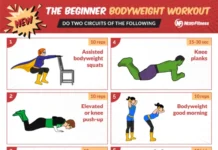
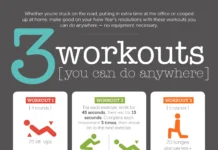
Bodyweight workouts are perfect for small spaces. Movements like squats, lunges, push-ups, planks, and burpees require no equipment and minimal room. They target multiple muscle groups and improve strength and cardiovascular fitness.
Incorporate exercises that use your body weight to build strength gradually. Adding resistance bands or dumbbells intensifies the routines without needing additional space.
Routine Examples for Different Fitness Levels
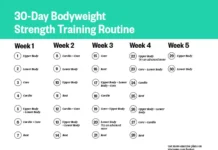
Beginners can start with simple circuits alternating cardio moves and bodyweight strength exercises. Intermediate trainees may add adjustable dumbbells and resistance bands to increase intensity. Advanced users can incorporate bench presses, cable workouts, and high-intensity interval training using compact equipment.
Tailor sessions to your fitness level and available space. Consistency and gradual progression matter more than complex setups. Online apps and guided programs can help structure workouts efficiently, adapting to your environment over time.
Maintaining Motivation and Routine
Tracking Progress in Small Spaces
Monitoring your progress is vital for sustained motivation. Use apps to record workouts, track improvements, and set goals. Visual feedback, such as photos or performance logs, can encourage continued effort.
Keeping a workout journal or digital tracker helps identify patterns and keeps your routine fresh and challenging. Celebrating small milestones reinforces positive habits even in limited spaces.
Adapting Your Space Over Time
Your needs and fitness goals may evolve. Regularly reassess your workout area to incorporate new equipment or rearrange for comfort. Gradual investments in multi-use tools support progress without overwhelming your space.
Flexibility is key. Adjust lighting, storage, and workout plans as you grow stronger or try different training styles. A dedicated, adaptable workout zone fosters long-term commitment and enjoyable exercise experiences at home.