























Understanding Combination Skin and Shine Challenges
What Defines Combination Skin?
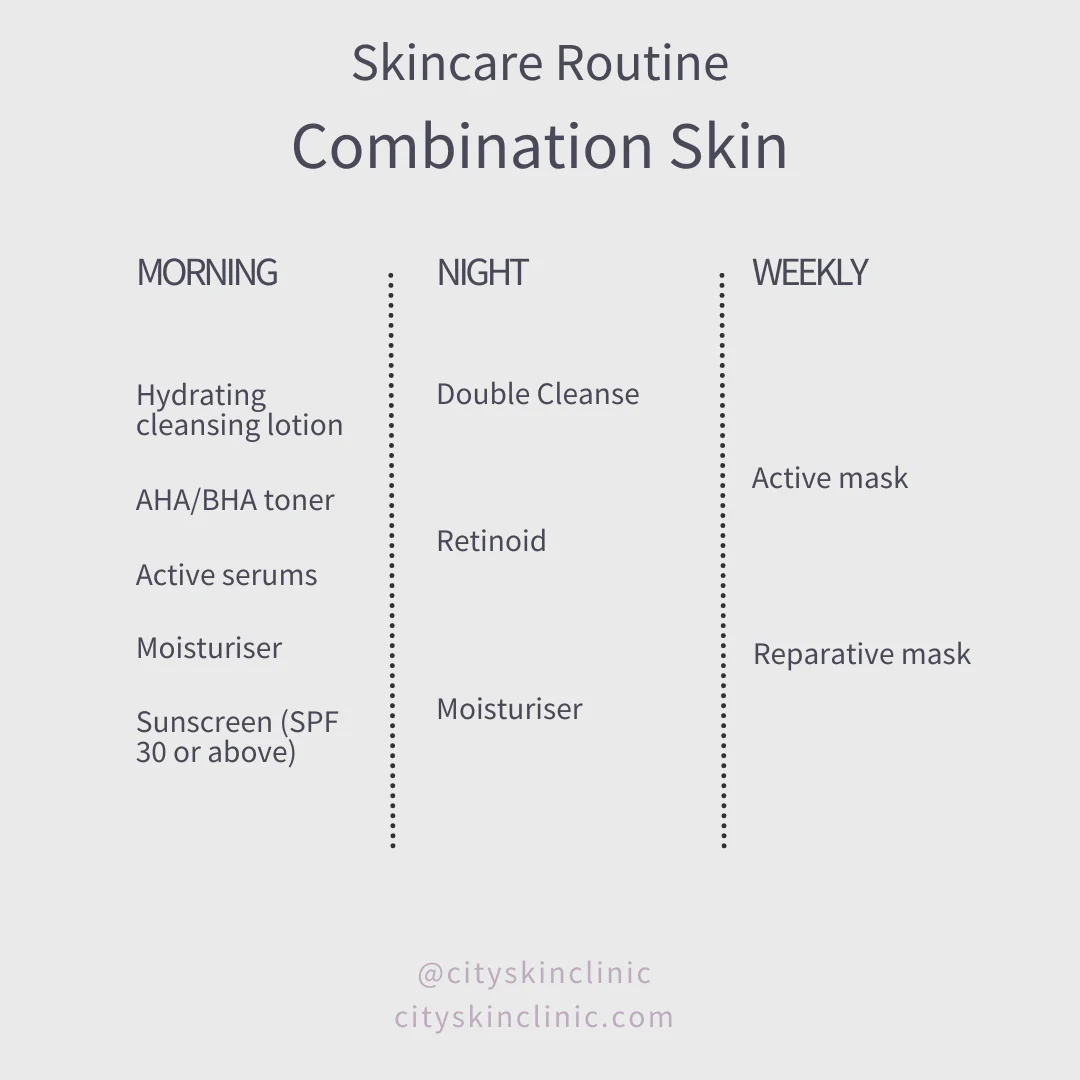
Combination skin is a unique type that has both oily and dry areas on the face, creating a balancing act for your skincare routine. Typically, the T-zone — which includes the forehead, nose, and chin — tends to be oilier, while the cheeks and outer edges of the face lean toward dryness or normal skin. This mix can make finding the right products tricky because what works for the oily zones might be too harsh for the drier patches.
Why Does Combination Skin Become Shiny?
The shine often comes from excess oil production in the T-zone, which acts as the skin’s natural lubricant. However, this oiliness can become more pronounced if the skin is dehydrated or if the wrong skincare products strip away moisture, causing the skin to overcompensate by producing even more oil. Environmental factors, stress, and diet can also influence how shiny your skin appears throughout the day.
Common Mistakes That Increase Shine
Many people with combination skin unintentionally worsen shine by over-cleansing or using harsh, drying products. This can disrupt the skin’s natural barrier, prompting excess oil production to compensate. Another common error is skipping moisturizer, thinking oily areas don’t need hydration. Oddly enough, without proper moisture, the skin can become unbalanced and oilier than before. Lastly, neglecting sunscreen or using thick, greasy formulas can add to the shine problem, making your face feel heavy and oily.
Preparing Your Skin: The Essential First Steps
Choosing the Right Cleanser for Combination Skin
Starting your routine with the right cleanser is key to managing shine without stripping your skin. Look for gentle, non-greasy formulas that clean deeply but preserve natural moisture. Gel-based or foaming cleansers often work well for combination skin because they effectively remove excess oil in the T-zone without drying out the cheeks. Opt for fragrance-free options to reduce the risk of irritation.
How to Properly Cleanse Without Over-Drying
Cleansing should be a calming, controlled step rather than something you rush through. Use lukewarm water—not hot—to avoid drying out your skin. Apply your cleanser with light, circular motions and avoid scrubbing too hard. Make sure to rinse thoroughly, removing every bit of product residue. Pat your face dry with a soft towel instead of rubbing to keep the skin’s barrier intact and ready for the next steps.
Step-by-Step Morning Skincare Routine to Control Shine
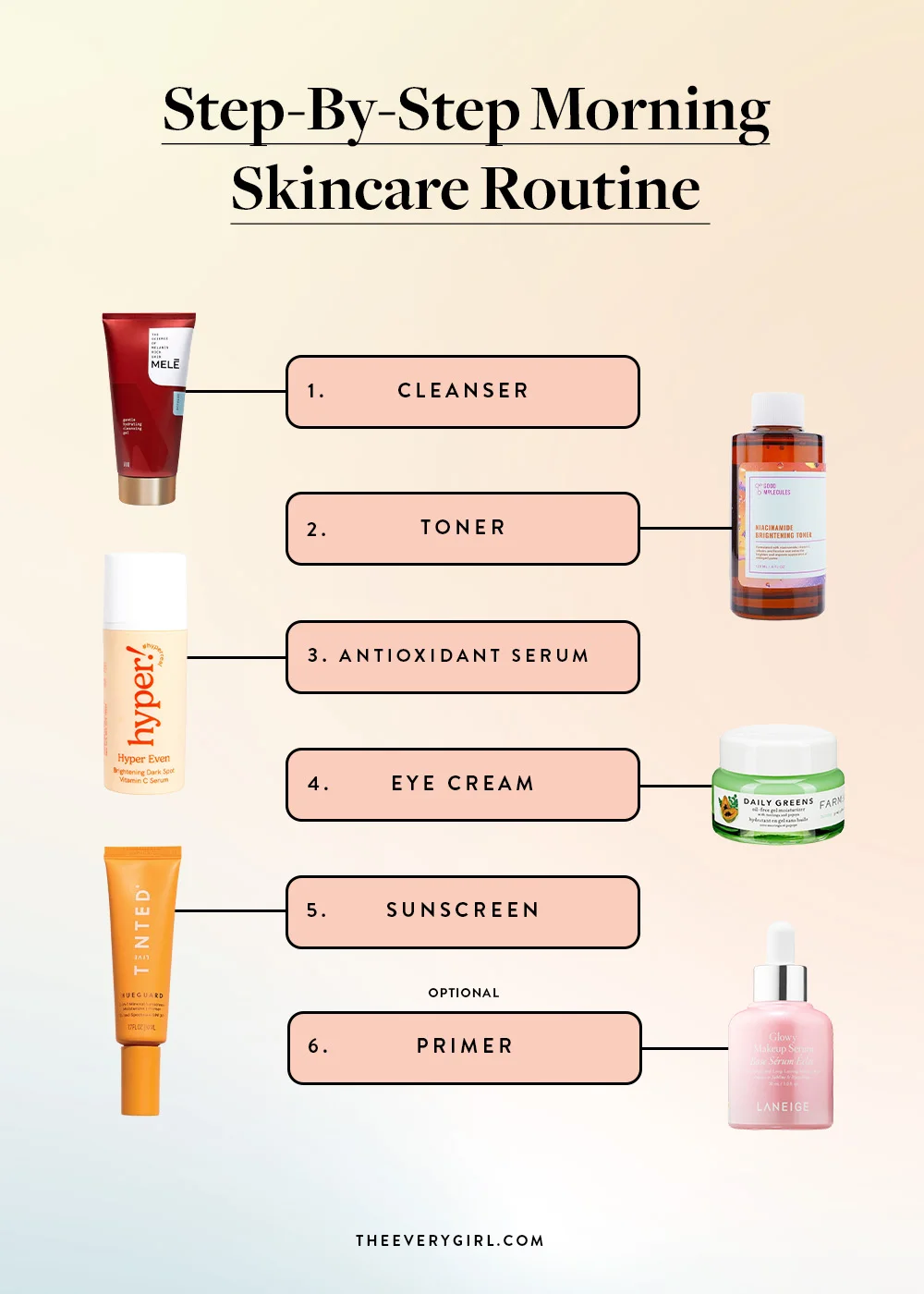
1. Gentle Cleansing Routine
Begin your morning with a gentle cleanse to remove overnight oil buildup and impurities. This sets a fresh canvas without disrupting the skin’s moisture balance. Use your preferred cleanser, carefully massaging it on and rinsing with lukewarm water. This helps minimize excess shine right from the start.
2. Toner Application: Balancing Oil and Hydration
After cleansing, applying a toner can make a noticeable difference in controlling shine. Choose an alcohol-free toner that lightens residual oil while restoring your skin’s natural pH. This refreshing step helps tighten pores and preps your skin for the serums and moisturizers to come. It’s a delicate balance — the toner should soothe without over-drying or irritating your face.
3. Targeted Serums for Shine Control
Serums packed with hydrating ingredients like hyaluronic acid are brilliant for combination skin. They provide moisture without heaviness, helping to keep the dry areas quenched and the oily areas balanced. Additionally, serums containing niacinamide can regulate sebum production, reducing that unwanted shine. Applying just a few drops, gently pressing into your skin, ensures absorption without excess residue.
4. Moisturizing Safely: Lightweight Options
Moisturizer is a must, even for oily zones. For combination skin, pick lightweight, oil-free products designed to hydrate and support the skin’s barrier. Ingredients like ceramides help lock in moisture where it’s needed without clogging pores or adding shine. Using the right moisturizer helps prevent your skin from producing excess oil to compensate for dryness, which is a common source of shine.
5. Applying Sunscreen That Doesn’t Add Shine
Sun protection should never be skipped, but many sunscreens can feel heavy or greasy on combination skin. Opt for broad spectrum SPF 30 formulas that are fast-absorbing and non-comedogenic. Applying two fingers’ worth and including your neck ensures full protection. Look for mattifying sunscreens or those that offer a natural, matte finish to keep shine at bay while shielding your skin from damage.
Additional Tips To Maintain a Matte Finish Throughout the Day
The Role of Blotting Papers and Mattifying Products
Even with a perfect morning routine, shine can reappear during the day. Blotting papers are a quick fix to absorb excess oil without messing up your makeup or skincare. Mattifying powders or primers also help keep your skin looking fresh and matte, smoothing away shine. Using these tools strategically in your routine helps maintain a balanced look without overloading your skin with product.
Diet and Lifestyle Impact on Skin Shine
What you eat and how you live play a surprisingly big role in skin health. Consuming high-glycemic foods or dairy can sometimes trigger excess oiliness in some people. Drinking plenty of water and incorporating fruits and vegetables rich in antioxidants supports clearer, more balanced skin. Stress management and adequate sleep also contribute to reducing unnecessary shine, making your morning routine more effective overall.