











Understanding Emotional Distance in Romantic Relationships
Defining Emotional Distance
Emotional distance in romantic relationships refers to a growing gap between partners where one or both individuals feel disconnected on an emotional level. This detachment can emerge gradually, characterized by a lack of intimacy, reduced communication, and diminished empathy. It is important to understand that emotional distance does not always mean the end of love, but it signals a need for attention and care.
Common Causes Behind Emotional Withdrawal
Several factors can lead to emotional withdrawal in partners. Stress from external sources like work or family pressures may cause one to retreat emotionally. Past unresolved conflicts or feelings of resentment can also erode closeness over time. Sometimes, individual emotional needs change, or partners experience misalignment in their expectations, leaving one feeling unheard or misunderstood.
Signs Your Partner Might Be Emotionally Distant
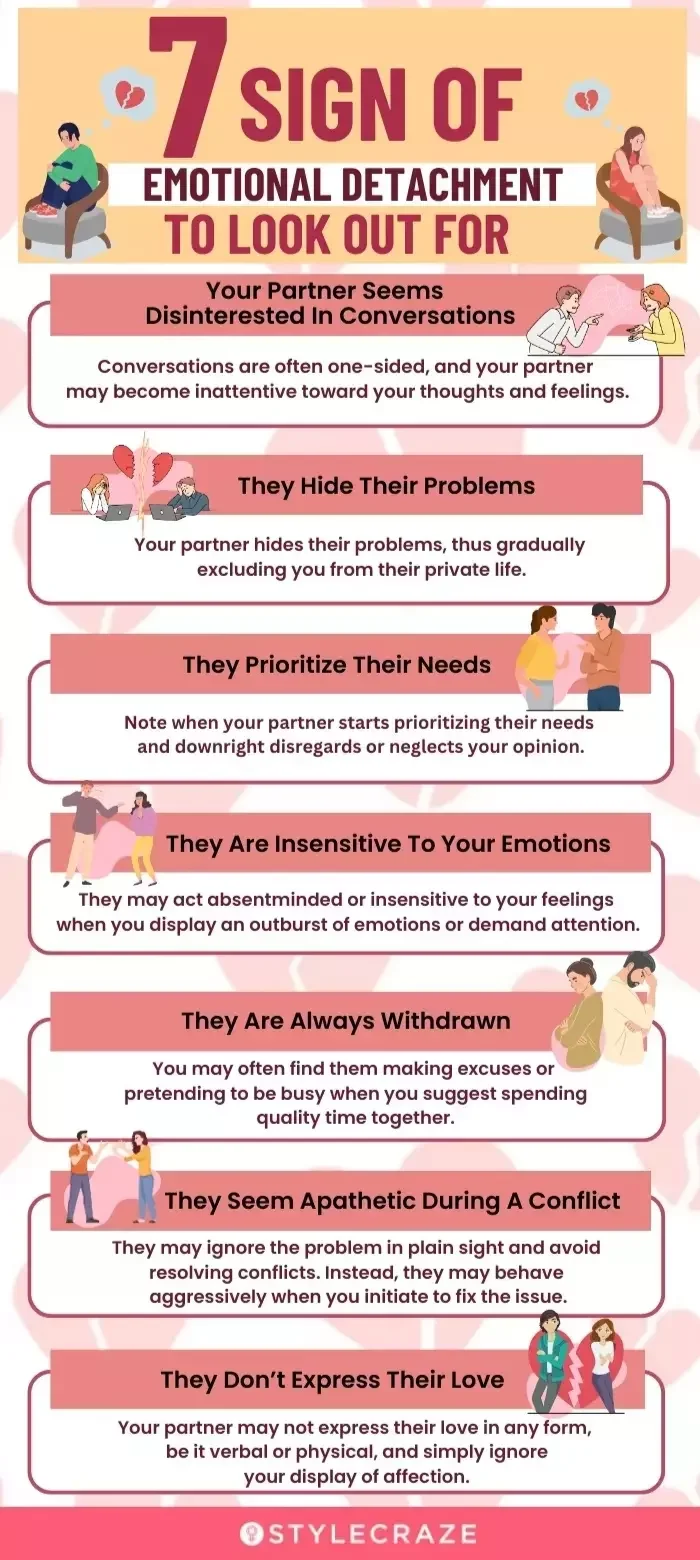
Noticing emotional distance requires sensitivity to subtle changes. Your partner may seem less engaged during conversations or avoid in-depth discussions about feelings. There might be a decline in affectionate behaviors or increased irritability over small issues. Importantly, feelings of isolation can arise even when you are physically together, reflecting a silent emotional gap.
Emotional Distance: Behavioral and Communication Clues
Changes in Verbal and Non-Verbal Communication
One primary clue is a shift in how partners communicate. Verbal interactions may become terse or superficial, avoiding vulnerability. Non-verbal cues like eye contact, gestures, and physical touch often decline, signaling withdrawal. Body language might express discomfort or disinterest, indicating emotional retreat without explicit statements.
Identifying Patterns of Avoidance and Silence
Emotional distance often manifests through avoidance. Your partner may sidestep difficult topics or respond with silence rather than engagement. This pattern tends to grow over time rather than appearing suddenly. Recognizing these behaviors can help in addressing the underlying issues before they widen the emotional gap.
Impact of Technology and Physical Separation
In today’s digital age, technology sometimes compounds emotional distance. Excessive use of devices during shared time can create invisible barriers. Additionally, physical separation due to work commitments or travel may intensify feelings of disconnect if emotional connection is neglected. Awareness of these influences is crucial to maintaining intimacy.
Healthy Ways to Address Emotional Distance
Initiating Open and Honest Conversations
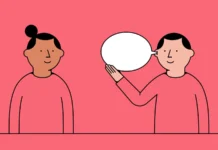
Addressing emotional distance begins with openness. Choosing a calm moment to share observations and feelings can invite your partner to express their perspective. Avoid blame by focusing on how the distance affects you both and emphasize a mutual desire to reconnect. Honest communication paves the way for empathy and understanding.
Rebuilding Emotional Connection Through Shared Activities
Engaging in activities together can rekindle emotional bonds. Whether it’s a hobby, exercise, or simply spending quality time without distractions, shared experiences foster closeness. These moments offer opportunities to create positive memories and deepen your understanding of each other’s emotional world.
Seeking Professional Help: Couple’s Therapy and Counseling
When emotional distance feels overwhelming or persistent, professional support can be valuable. Therapists provide a neutral space to explore feelings, improve communication, and resolve underlying conflicts. Couples counseling encourages constructive dialogue and equips partners with tools to rebuild connection effectively.
Preventing Emotional Distance From Growing
Maintaining Consistent Emotional Check-ins
Regular emotional check-ins help partners stay attuned to each other’s needs. These moments can be brief but intentional conversations about feelings, stresses, or changes. Such practices create an ongoing dialogue that prevents silent drifting apart.
Balancing Independence and Togetherness
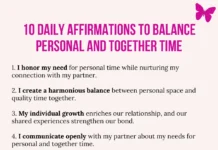
Nurturing a healthy relationship involves balancing personal space with shared time. Independence allows for personal growth and reduces pressure, while togetherness fosters intimacy. Recognizing and respecting these needs helps maintain a stable emotional connection.
Enhancing Emotional Intelligence in Your Relationship
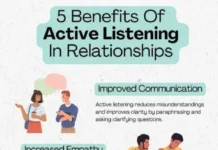
Developing emotional intelligence equips partners to better understand and respond to each other’s emotions. Skills such as empathy, active listening, and regulation of one’s own feelings contribute to more compassionate interactions and lessen the risk of emotional distance.
When Emotional Distance Signals Deeper Relationship Issues
Recognizing Signs of Emotional Abuse or Neglect
Sometimes emotional distance can indicate harmful dynamics like emotional abuse or neglect. Patterns of manipulation, consistent dismissiveness, or cruelty require careful attention. Recognizing these signs is crucial to protect one’s well-being and assess the relationship’s health.
Deciding When to Stay and When to Let Go
Determining whether to continue or end a relationship affected by emotional distance involves honest reflection. Consider the willingness of both partners to work on issues, the presence of respect and care, and your own emotional safety. Sometimes, letting go is necessary for personal growth and happiness.
Supporting Yourself Through Relationship Challenges
Regardless of the outcome, prioritizing self-care is essential. Seeking support from friends, family, or professionals can provide perspective and comfort. Engaging in activities that nurture your emotional health helps rebuild confidence and resilience during difficult times.