























Understanding Oily and Acne-Prone Skin
Key Characteristics and Challenges
Oily and acne-prone skin often comes with a distinct set of challenges that can make daily skincare feel like a juggling act. People with this skin type tend to have a shiny complexion, especially in the T-zone area, and pores that appear larger due to excess sebum production. This oily layer can quickly attract dirt and pollutants, increasing the risk of clogged pores and outbreaks. For instance, imagine starting your day with your face already feeling greasy just an hour after cleansing—that’s a typical experience for many dealing with oily skin. The struggle is to find balance: enough hydration to prevent dryness, but not too much to overwhelm the skin’s natural oiliness.
Common Causes of Excess Oil Production
Oily skin doesn’t just happen by chance; several triggers contribute to its overproduction of sebum. Stress, hormonal shifts, and even diet can play significant roles. A common mistake is using hot water while washing the face, which might seem refreshing but actually strips essential moisture, sending the skin into overdrive to produce more oil. Likewise, sun exposure can dry out the skin’s surface, prompting increased oil secretion as a reactive measure. Overloading the skin with too many harsh products can weaken the skin barrier, leading to further imbalance. For example, Sarah, a 25-year-old with acne-prone skin, found that using multiple exfoliating products simultaneously left her skin inflamed and oilier than before.
How Acne Develops on Oily Skin
Excess oil is a prime ingredient in acne formation, but it’s not the sole culprit. When sebum mixes with dirt, dead skin cells, and bacteria, it clogs pores and creates an environment ripe for acne. This blockage can lead to blackheads, whiteheads, and inflamed pimples. Consider James, whose morning routine ignored proper cleansing after workouts; the sweat and oil buildup compounded his breakouts. Acne on oily skin can also escalate if the skin barrier is compromised, allowing irritants to penetrate and inflammation to worsen. Regular care that targets oil without stripping moisture is essential to preventing this cycle.
Essential Ingredients for Morning Skincare
Oil-Control Cleansers
Starting the day with a cleanser that controls oil without harshly drying the skin is crucial. Gentle foaming cleansers formulated for oily skin help remove excess sebum and impurities while maintaining the skin’s moisture barrier. For instance, a cleanser with salicylic acid can penetrate pores and reduce blackheads, making it a favorite among those with acne-prone skin. Avoid cleansers that contain alcohol or heavy fragrances, as these can aggravate skin sensitivity and cause rebound oiliness.
Lightweight Moisturizers That Hydrate Without Clogging Pores
Contrary to popular belief, skipping moisturizer because your skin feels oily can backfire. When the skin is deprived of hydration, it compensates by producing even more oil. Lightweight, oil-free moisturizers absorb quickly and provide essential hydration to maintain skin health. Ingredients like niacinamide and hyaluronic acid work wonders here, offering soothing and moisture without weighing the skin down. Think of moisturizers that dry matte but still lock in moisture—a texture that fits seamlessly into a morning routine, even under makeup.
Sunscreens Suitable for Oily Skin Types
Using sunscreen daily is non-negotiable, especially for oily and acne-prone skin. The challenge is finding a product that doesn’t add to the greasy feeling or clog pores. Broad-spectrum, non-comedogenic sunscreens that are lightweight, water-based, or gel formulations are excellent choices. For example, a silicone-free mineral sunscreen can provide thorough protection while sinking into the skin quickly, leaving a smooth finish without a white cast or heaviness. Consistent sun protection also helps prevent excess sebum production triggered by sun damage.
Step-by-Step Morning Skincare Routine
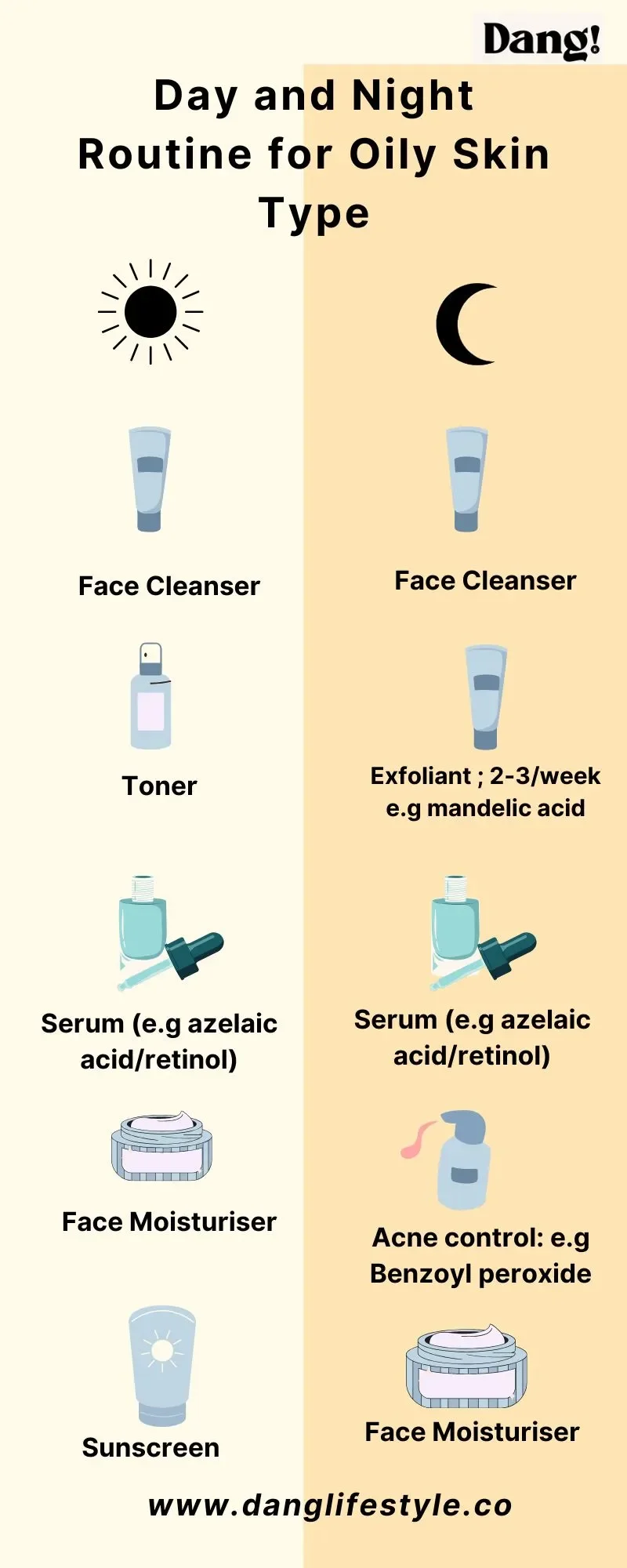
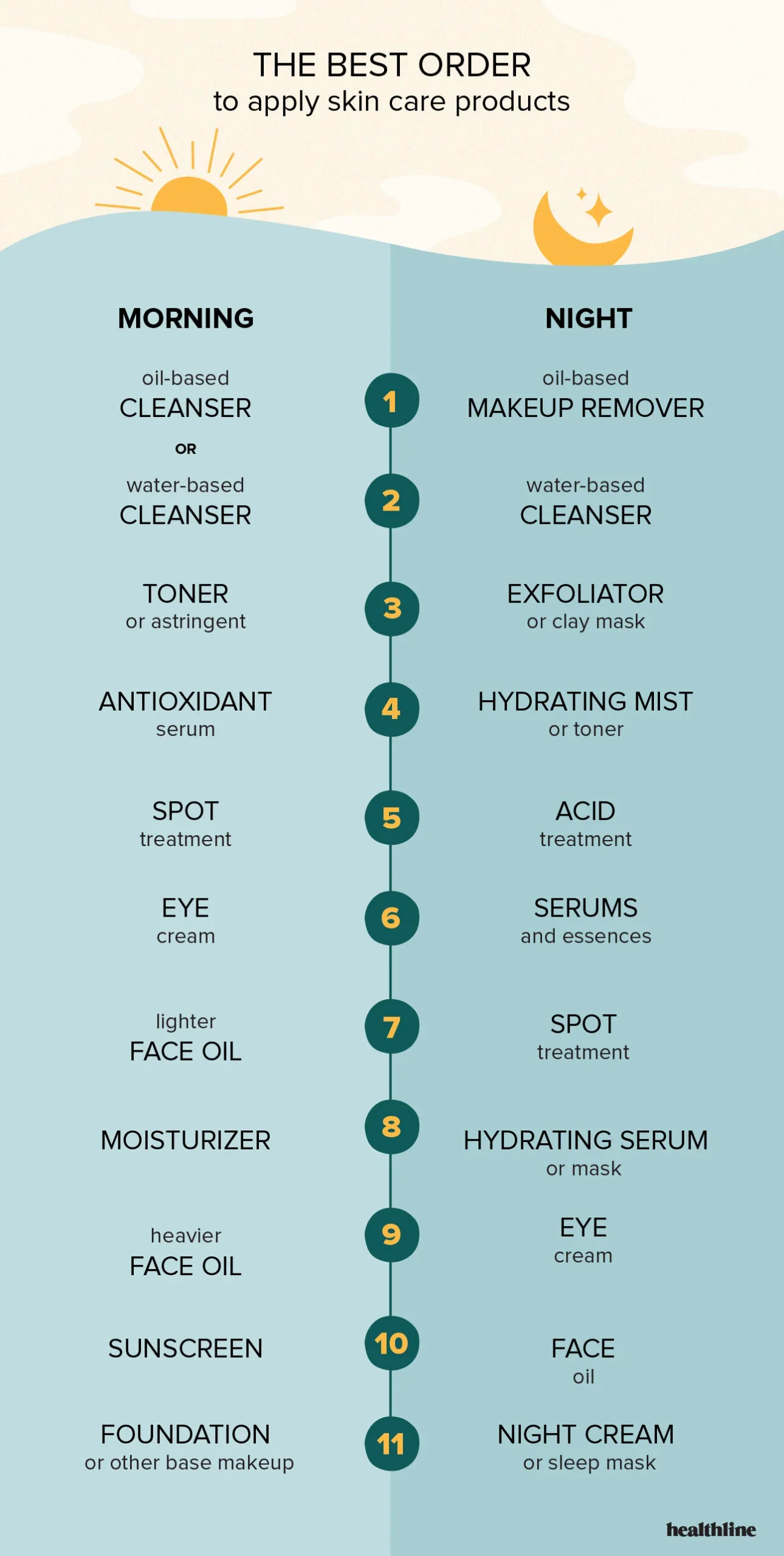
Step 1: Gentle Cleansing
Begin your morning with a gentle cleanse using lukewarm water to avoid shocking your skin. Lukewarm water helps loosen excess oil and dirt without stripping natural moisture, which hot water often does. Use a small amount of a foaming or gel-based cleanser designed for oily skin, gently massaging it over your face. This step refreshes the skin after night’s build-up and sets a clean slate without irritation or dryness.
Step 2: Toning to Balance Oil
After cleansing, apply an alcohol-free toner enriched with ingredients like witch hazel or aloe vera. This helps remove any leftover impurities and tightens pores gently. Using a cotton pad soaked in toner, lightly sweep the face to boost hydration and calm the skin. For example, Emily found that switching to an alcohol-free toner drastically reduced her morning redness and shininess after just a week.
Step 3: Applying Treatments and Serums
Targeted serums can address specific concerns such as acne, dark spots, or enlarged pores. In the morning routine, niacinamide serums are particularly effective as they regulate oil production, brighten skin, and reduce inflammation. If acne is a concern, a mild salicylic acid serum can be applied on trouble spots to keep pores clear. It’s essential to choose products that layer well and avoid using too many active ingredients at once to prevent irritation.
Step 4: Moisturizing Smartly
Next, use a lightweight, non-comedogenic moisturizer that provides essential hydration without heaviness. This step is especially important because even oily skin needs moisture to maintain balance. Products containing hyaluronic acid provide hydration without oiliness, while ingredients like ceramides help reinforce the skin barrier. Applying moisturizer immediately after serum ensures better absorption and a smoother finish for the day ahead.
Step 5: Protecting with SPF
The final step is applying a broad-spectrum sunscreen with at least SPF 30 tailored for oily skin types. Apply this 15 minutes before sun exposure and reapply every two hours if you are spending time outdoors. Using a sunscreen that feels lightweight and non-greasy can prevent that uncomfortable heavy feeling and protect skin from UV damage, which can exacerbate oiliness and acne. For those who wear makeup, find formulas that layer well underneath without causing breakouts.
Additional Tips for Maintaining Clear Skin Throughout the Day
Blotting Papers and Touch-Up Strategies
During the day, excess oil can build up, especially in humid or active conditions. Carrying blotting papers allows you to gently remove shine without disturbing your makeup or over-cleansing your face, which can worsen oiliness. If you find your skin feels tight after blotting, a quick spritz of a hydrating facial mist can restore moisture without adding oil. For example, Mark carries a small pack of blotting sheets to the office and finds they extend the wear of his makeup and reduce midday shine effectively.
Hydration and Diet’s Role in Skin Health
Skincare isn’t just about topical products; hydration from within is equally vital. Drinking adequate water throughout the day supports the skin’s ability to regulate oil production naturally. Eating a balanced diet rich in antioxidants, healthy fats, and low-glycemic foods can also reduce inflammation and frequent breakouts. Lisa noticed significant improvements after increasing her water intake and reducing processed sugars, which diminished the frequency of her oily flare-ups and acne.
Common Mistakes to Avoid in Morning Skincare
Overwashing and Its Effects on Oily Skin
One of the biggest pitfalls with oily skin is overwashing. Washing your face multiple times a day with harsh cleansers or hot water can strip moisture and lead to a rebound effect where your skin produces even more oil. This not only worsens shine but can inflame existing acne. Instead, cleansing twice daily with gentle products is sufficient. Remember, aggressive scrubbing or frequent cleansing does not equal cleaner skin—it often causes more harm.
Using Heavy Products That Cause Breakouts
A common misconception is that heavier creams and thick sunscreens offer better hydration or protection. For oily, acne-prone skin, these can clog pores and trigger breakouts. Avoid products that feel sticky, greasy, or take a long time to absorb. Overcomplicating your routine with multiple serums and treatments can also irritate the skin and disrupt the skin barrier, leading to increased oiliness and sensitivity. Keep your morning routine simple, focusing on effective, non-comedogenic products that work harmoniously to support skin health.