






















Introduction to Time-Blocking for Professionals
Understanding Time-Blocking Fundamentals
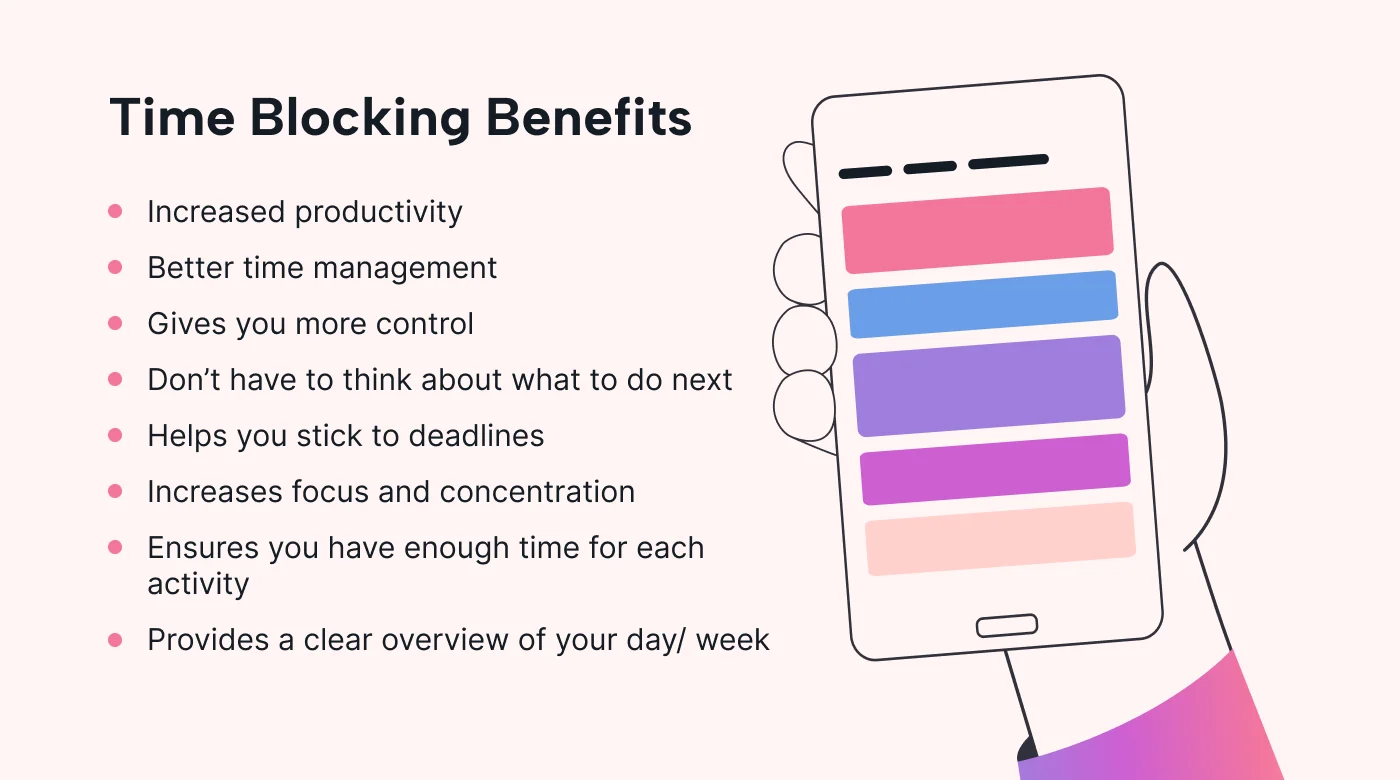
Imagine starting your day with a clear map: every activity neatly charted for a specific time, allowing you to focus without the constant mental tug of deciding what comes next. This is the essence of time-blocking. For busy professionals juggling a barrage of responsibilities, time-blocking means assigning dedicated segments of the day to particular tasks or task types. Instead of letting your calendar dictate your day haphazardly, you create structure that drives productivity and reduces stress.
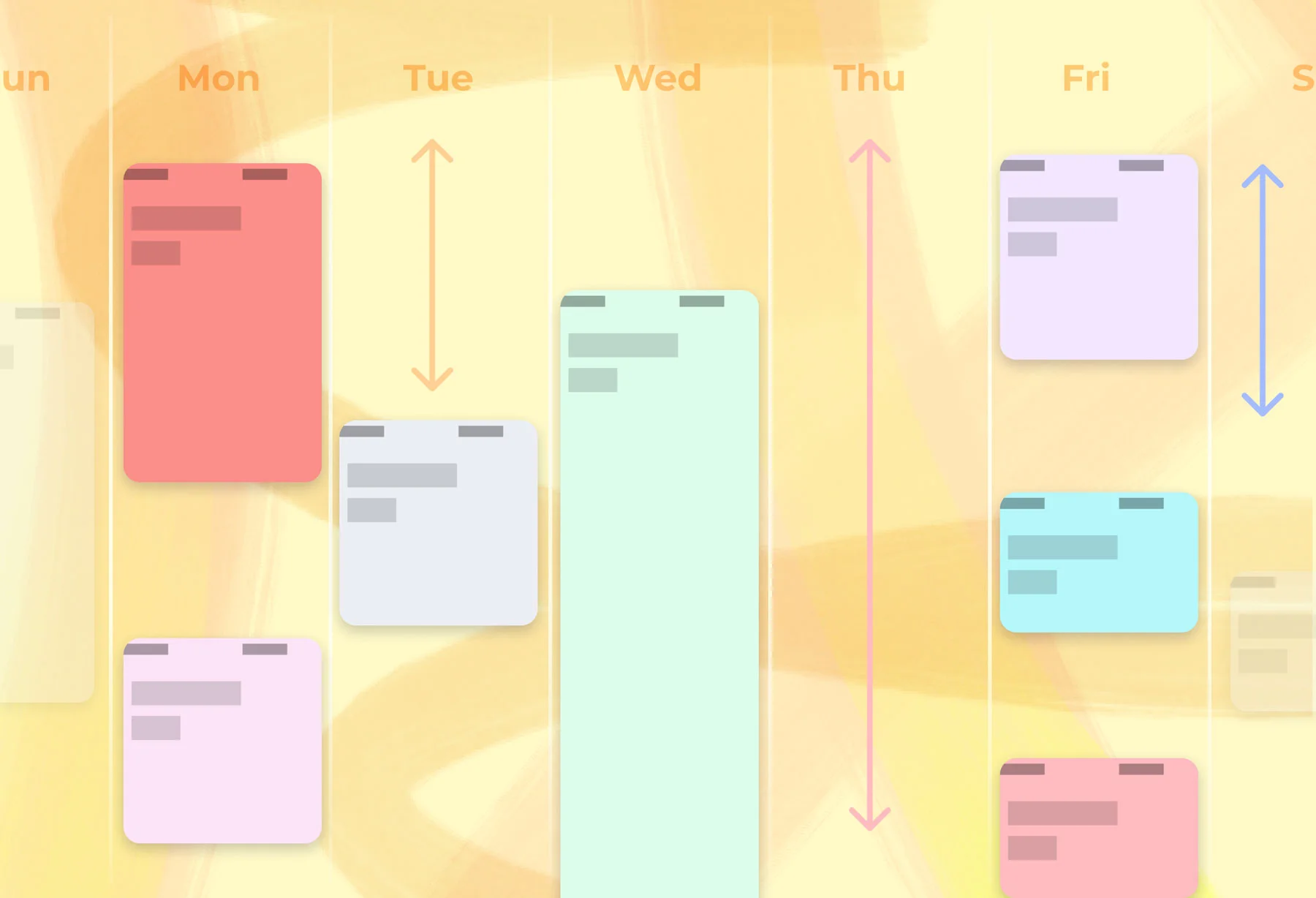
At its core, time-blocking helps to overcome the chaos of an unorganized schedule by creating firm boundaries around how long each task should take. This technique promotes intentional work, where each block has a clear purpose and expected outcome. It also minimizes distraction by signaling to yourself and others that you are “off the clock” from interruptions during these focus periods.
The Impact of Overlapping Tasks on Productivity
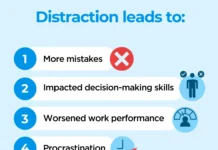
Busy professionals often face overlapping deadlines, simultaneous projects, and conflicting meetings that chip away at productivity. When tasks collide without clear priority or separation, it can cause cognitive overload, resulting in stress, lower work quality, and burnout.
For example, a project manager might receive an urgent report request while deep in a strategic planning session, forcing them to switch gears abruptly. This constant context-switching hurts focus and leads to inefficiencies, as it typically takes several minutes to mentally reset after each interruption.
Time-blocking addresses this by ensuring overlapping tasks are planned with clear boundaries and priorities, reducing the mental strain caused by task overload and enabling professionals to tackle tasks sequentially or in focused bursts.
Identifying and Categorizing Overlapping Tasks
Techniques for Task Prioritization
Before allocating blocks of time, it’s crucial to identify what tasks truly demand your attention and which can be delegated or delayed. One practical approach is to track your daily activities for a week without a formal to-do list. This reveals recurring patterns and tasks that consume unexpected chunks of time.
Once you have a clear inventory, prioritize tasks by urgency and impact. Assign morning blocks to high-priority work that requires deep thought, such as key decision-making or creative projects. Midday can be reserved for collaborative meetings, when energy levels may dip but communication needs are high. Lower energy periods, like late afternoons, are better suited for administrative work or lighter tasks.
Using Task Clusters to Simplify Scheduling
Complex schedules with overlapping responsibilities become more manageable when similar tasks are grouped together. Task clustering involves combining related activities, like responding to emails, processing invoices, or preparing reports, into single blocks. This reduces the mental fatigue from switching between unrelated tasks.
For example, a marketing professional might designate the first 45 minutes of each afternoon exclusively for social media engagement and email responses. This creates a predictable pattern where the brain can settle into a routine, boosting efficiency.
Advanced Time-Blocking Strategies
Batching Similar Tasks for Efficiency
Task batching takes the concept of clustering further by intensively focusing on a specific category of work within a larger time-block. It’s especially effective for recurring small tasks that can otherwise interrupt flow throughout the day.
A software developer, for instance, might batch code reviews into two 30-minute blocks rather than scattering them intermittently. This approach saves mental energy by limiting context switches and creates a rhythm where similar cognitive processes can be leveraged continuously.
Implementing Buffer Zones Between Blocks
One mistake many professionals make is to pack their calendars tightly without allowing breathing room. Including buffer zones—short periods of 30 to 45 minutes—between major blocks provides valuable time to handle reactive work or unexpected issues.
Consider a senior executive who schedules meetings back-to-back all day. By adding buffer time before lunch and at the end of the day, they create space to follow up on urgent emails or prep for upcoming tasks. This practice prevents slippage in the schedule and reduces stress from overcommitment.
Leveraging Digital Tools for Dynamic Scheduling
The digital calendar has become the cornerstone of effective time-blocking. Modern tools like Google Calendar or Microsoft Outlook enable users to color-code blocks, set recurring themes, and share availability with teams, making it easier to maintain boundaries.
One productive habit is to name calendar blocks with actionable verbs and specific outcomes, like “Draft Q2 report” instead of vague labels such as “Work.” This clarity keeps focus sharp and helps colleagues understand your intent when scheduling meetings. Additionally, setting Slack status to reflect focus times or office hours can minimize interruptions.
Customizing Your Time-Blocking System
Adapting Techniques for Different Professions
Time-blocking is not one-size-fits-all. A corporate lawyer’s day demands a different structure compared to a graphic designer working remotely. For example, lawyers might dedicate mornings to case reviews and afternoons to client consultations, while designers may prefer longer blocks for creative projects with shorter segments blocked for collaborative feedback.
Remote workers benefit from adding “office hours” blocks where they are available for spontaneous discussions or quick questions, emulating the casual interruptions of an office environment. Freelancers may theme entire days around specific clients or projects, creating deeper immersion without frequent context shifts.
Balancing Flexibility and Discipline
Strict adherence to time-blocking schedules can sometimes feel constraining, especially when unexpected tasks arise. Successful professionals strike a balance by setting primary blocks firmly but allowing for periodic review and adjustment. Daily calendar audits, for example, help rename completed blocks with actual outcomes and reschedule unfinished tasks promptly.
Flexibility is also about mental adaptability. If a focus block is frequently interrupted, be proactive in communicating boundaries or reallocating that time. Updating schedules and buffers in response to measured effectiveness—such as tracking how many focused hours are maintained—ensures the system evolves with changing work demands.
Case Study: Success Stories from Busy Professionals
Time-Blocking in Corporate Management
Consider Lisa, a corporate manager overseeing multiple departments. Initially overwhelmed by constant meetings and overlapping deadlines, she began blocking mornings for strategic planning and reserved two meeting-free mornings per week to dive deep into complex issues. She followed this with a short 15-minute triage meeting to align her team. This approach shielded her deep work from interruptions and streamlined communication, significantly boosting her team’s output and her own clarity.
Time-Blocking for Remote and Freelance Workers
James, a freelance writer, struggled with distractions at home. By creating a color-coded weekly calendar with dubbed “creative mornings” and “client calls” in the afternoons, he created a predictable rhythm. He also set office hours to handle real-time client queries and routed non-urgent requests to a shared form, avoiding mid-day disruptions. His productivity soared as he learned to protect anchor blocks and review his schedule daily to stay on top of deadlines.
Conclusion: Making Time-Blocking Work Long-Term
Effective time-blocking is a journey, not an instant fix. By understanding your unique workload, prioritizing thoughtfully, and crafting customized blocks that reflect real-world demands, you cultivate a system that transforms chaos into clarity. Remember to build in flexibility, use digital tools for visibility, and continuously refine your scheduling habits based on experience. With discipline and adjustment, time-blocking becomes a powerful ally in managing overlapping tasks, ensuring that busy professionals not only survive but thrive in demanding environments.