





















Understanding Pregnancy and Sleep Challenges
How Pregnancy Affects Sleep Patterns
Pregnancy introduces a variety of physical and emotional changes that can disrupt sleep. Hormonal fluctuations, increased metabolism, and the body’s adaptation to support a growing baby all contribute to altered sleep patterns. For example, many expectant mothers find themselves waking frequently due to the need to use the bathroom more often, especially during the second and third trimesters. Additionally, heightened anxiety about the pregnancy and upcoming birth can make it harder to fall asleep or stay asleep throughout the night.
Beyond the physical, emotional stress plays a role. In the early months, excitement and worries about morning sickness or miscarriage can cause restlessness. Later, concerns about labor, delivery, and parenting might keep the mind racing as soon as the lights go out. Understanding these changes can help in adapting sleep habits to navigate pregnancy more comfortably.
Common Sleep Discomforts by Trimester
Sleep disruptions tend to vary depending on the stage of pregnancy. During the first trimester, nausea and sensitive breasts can make getting comfortable tricky. Fatigue is often overwhelming, yet paradoxically, sleep may be fragmented. Moving into the second trimester, while morning sickness typically fades, a growing belly begins to limit comfortable positions. Heartburn and leg cramps are common complaints as the body adjusts.
By the third trimester, the physical bulk of pregnancy can create significant discomfort. Back pain becomes more pronounced, and frequent trips to the bathroom may increase nightly interruptions. Many women also experience swelling in the lower limbs, which can add to overall restlessness. Recognizing these trimester-specific discomforts allows for better preparation and improved sleep strategies.
First Trimester: Finding Comfort Amid Early Changes
Best Sleeping Positions in Early Pregnancy
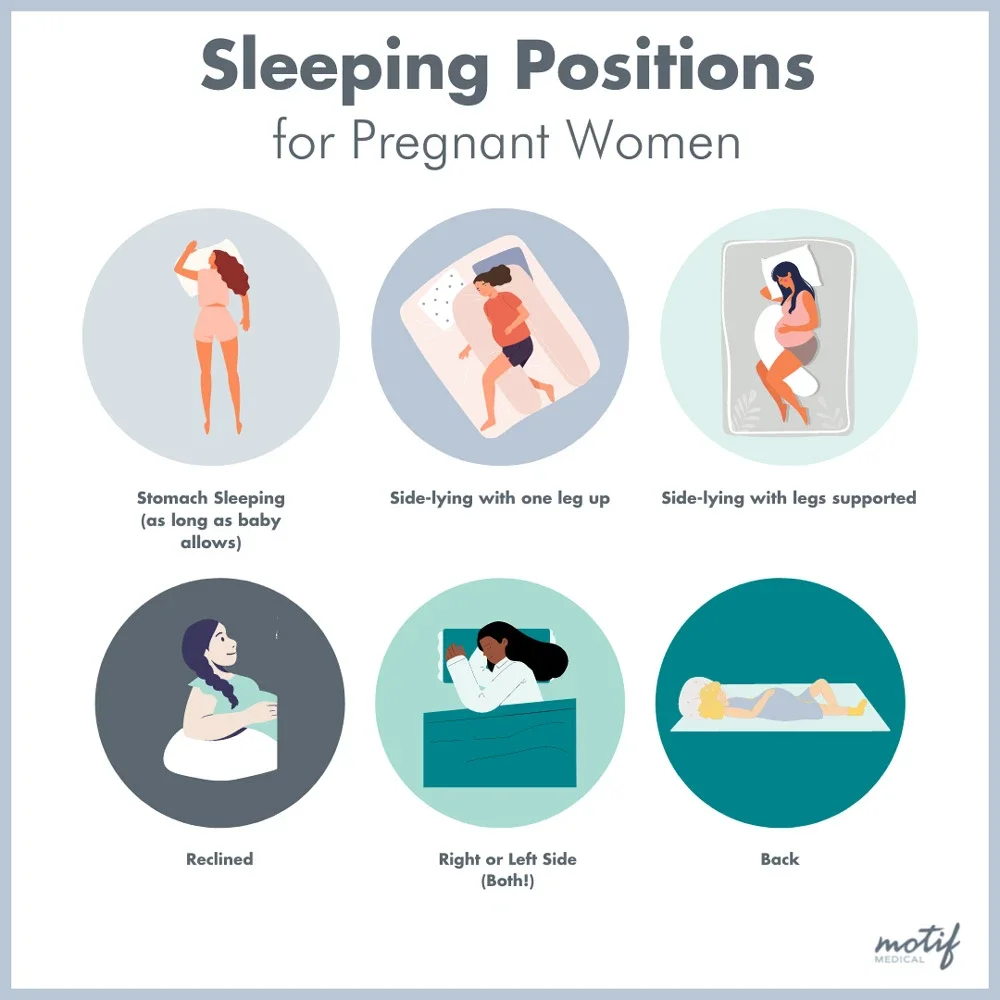
In early pregnancy, many women naturally continue their usual sleeping habits but may need some gentle adjustments. Back sleeping during the first trimester is generally safe, as the uterus is still small and does not put excessive pressure on major blood vessels. However, as nausea and breast tenderness become noticeable, side sleeping can begin to feel more comfortable.
For instance, Emma, in her first trimester, found that lying on her left side with a small pillow under her abdomen helped ease her queasiness and reduced breast sensitivity at night. This position encourages steady blood flow and can be a soothing alternative to lying flat on the back.
Tips to Manage Nausea and Fatigue During Sleep
Nausea often peaks during early pregnancy and can disturb sleep quality. Simple habits like eating a light snack before bed or choosing bland foods earlier in the evening can reduce queasiness at night. Staying hydrated but limiting fluids right before bedtime helps cut down on midnight bathroom trips.
Fatigue is another hallmark of the first trimester. Taking short naps during the day and following a consistent sleep schedule can improve nighttime rest. Creating a calm bedtime routine, such as reading or listening to soft music, helps signal the body that it’s time to wind down despite the tiredness.
Second Trimester: Adjusting Sleep for a Growing Belly
Recommended Positions to Enhance Blood Flow
As the baby grows, sleeping on the left side becomes increasingly beneficial. This position supports optimal blood flow to the uterus and fetus by avoiding pressure on the inferior vena cava, a large vein that returns blood to the heart. Sarah, who entered her second trimester, noticed a reduction in leg swelling and improved energy levels after switching to left-side sleeping.
While left-side sleeping is encouraged, right-side positions are still acceptable if they provide more comfort, especially if sustained left-side rest feels uncomfortable. Back sleeping becomes less advisable as the uterus expands and places pressure on the back and blood vessels, potentially leading to dizziness or lower blood pressure.
Using Pillows and Supports for Maximum Comfort
During the second trimester, the use of pillows strategically can transform sleep quality. Many women find that placing a pillow between the knees while lying on the side reduces stress on the lower back. Wedge pillows can support the belly, preventing it from pulling forward and adding strain.
Lucy, who used a full-body maternity pillow, shared that it provided relief from the pressure on her hips and helped her maintain a comfortable position throughout the night. Experimenting with different pillow configurations can help in finding what feels best as the body changes.
Third Trimester: Preparing for Delivery with Restful Sleep
Optimal Sleeping Postures to Relieve Pressure
The final trimester calls for maximum attention to comfortable and safe sleeping positions. Left-side sleeping remains the gold standard, promoting circulation and minimizing swelling in the ankles and legs. Bending one or both knees while on the side can help support the lower back and reduce pressure on the spine.
For instance, Maria, eight months pregnant, found that sleeping on the left side with a pillow nestled behind her back prevented her from rolling onto her back during sleep. Rotating between different positions on the left side throughout the night can also prevent stiffness without compromising comfort or safety.
Strategies to Combat Back Pain and Leg Cramps at Night
Back pain and leg cramps frequently interrupt sleep in late pregnancy. Gentle stretches before bedtime may ease muscle tension. Elevating the legs slightly with pillows can reduce swelling and improve circulation, lessening cramp occurrences.
Staying hydrated during the day plays a role in preventing cramps, although fluid intake should be moderated in the evening to avoid frequent urination. Practicing relaxation techniques, such as deep breathing or prenatal yoga, can alleviate muscle tightness and contribute to a more restful night.
Additional Sleep Aids and Techniques for Pregnant Women
The Role of Maternity Pillows and Mattress Choices
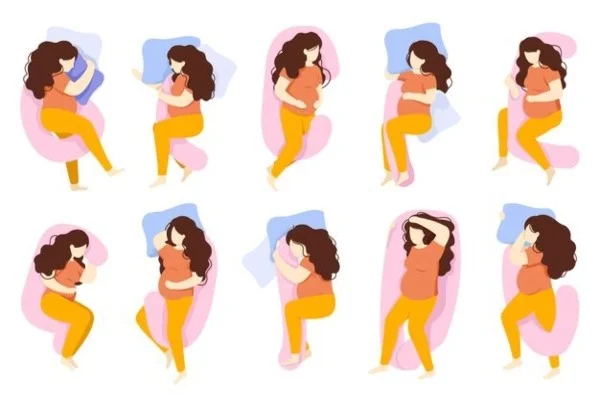
Maternity pillows are designed to support the changing contours of a pregnant body. These pillows, whether full-body or wedge-shaped, help maintain side sleeping and reduce pressure points. Choosing a mattress that offers adequate support without excessive firmness can prevent aches and improve sleep duration.
Emily replaced her old mattress with a medium-firm option during her pregnancy and noticed less tossing and turning. Product choices that accommodate the natural curves and pressures of pregnancy can create a more inviting sleep environment.
Relaxation Methods to Improve Sleep Quality
Relaxation plays a crucial role in meeting the sleep challenges of pregnancy. Gentle meditation, warm baths before bed, and aromatherapy with safe essential oils can calm the nervous system. Lavender scent, for example, is often favored for promoting relaxation.
Breathing exercises focused on slow, deep breaths can prepare the body for rest after the day’s physical demands. Developing a consistent nighttime routine provides mental cues to transition into sleep, reducing the impact of pregnancy-related stress on sleep quality.
When to Seek Medical Advice for Sleep Issues During Pregnancy
Persistent sleep difficulties that significantly impair daytime function should prompt consultation with a healthcare provider. For example, if severe snoring or gasping during sleep occurs, it may be important to evaluate for conditions like sleep apnea. Unmanageable restless leg symptoms or severe pain disrupting sleep are also reasons to seek professional assessment.
While pregnancy naturally affects sleep, severe discomfort or insomnia that lasts longer than a few weeks is worth discussing with a doctor. Early intervention can improve overall well-being and contribute to a healthier pregnancy experience.