






















Understanding the Impact of Poor Posture on Desk Workers
Common Causes of Posture Problems in Office Settings
Desk workers often find themselves sitting for extended periods, frequently adopting positions that strain the spine and surrounding muscles. One common cause of poor posture is the widespread use of non-ergonomic chairs and workstations. When chairs lack proper lumbar support, the natural curve of the spine is compromised, leading to increased pressure on the back muscles. Additionally, incorrect monitor height or an improperly positioned keyboard and mouse can cause the head to lean forward or shoulders to round, intensifying discomfort. These small but persistent misalignments contribute to muscle fatigue and joint stress, especially when breaks are infrequent and movement is limited throughout the day.
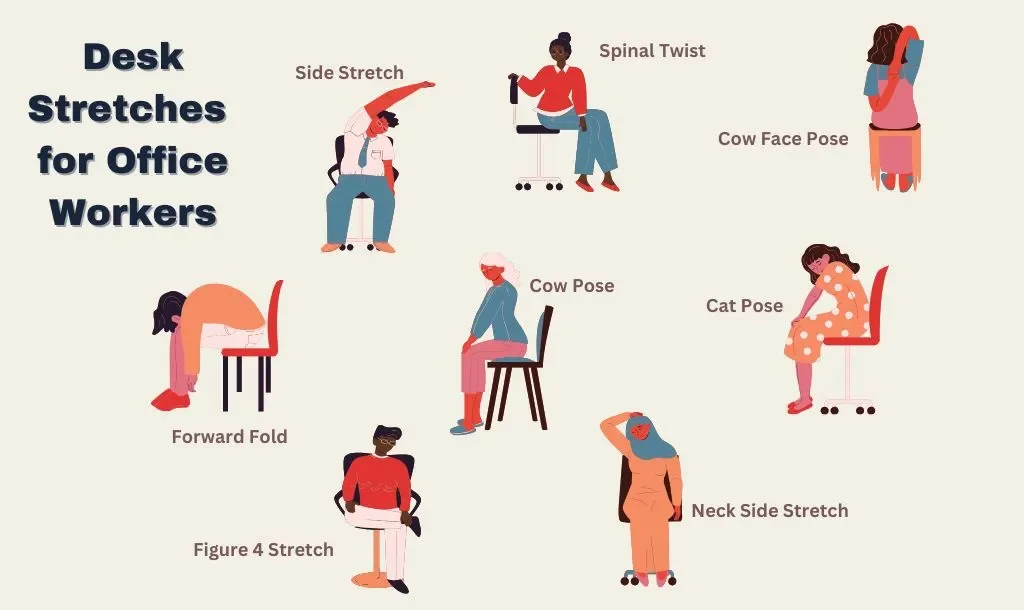
How Poor Posture Leads to Back Pain
Maintaining poor posture over time causes muscles and ligaments to work harder to stabilize the body, leading to muscle tightening and fatigue. For desk workers, this often results in stiffness and pain, particularly in the lower back and neck areas. As the shoulders round forward and the head drifts ahead of the spine, abnormal pressure is placed on the vertebral discs and surrounding structures, potentially worsening discomfort. Ignoring these signs without early intervention allows postural imbalances to become chronic, making relief more difficult. Prolonged sitting without frequent positional changes also reduces blood flow to muscles, contributing to tension and the development of persistent back pain.
Essential Posture Correction Exercises for Desk Workers
Stretching Techniques to Alleviate Muscle Tension
Stretching is a crucial first step to counteract the effects of prolonged sitting. Simple stretches such as the chin-to-chest hold help target the muscles at the base of the skull and upper neck, areas often neglected yet critical for relieving tension. Holding this stretch for 20 to 30 seconds with steady breathing encourages relaxation without causing discomfort. Another effective technique includes shoulder rolls, which can be performed discreetly between meetings to loosen tight shoulder muscles and improve blood circulation. These stretches are designed to be gentle, focusing on feeling a mild pull rather than inducing pain, which ensures they are safe to perform during short breaks at the desk.
Strengthening Exercises for Core and Back Stability
While stretching addresses muscle tightness, strengthening exercises are essential to support spinal alignment and reduce the risk of future discomfort. Movements such as wall angels help build the muscles responsible for pulling the shoulders back into correct posture, combating the forward rounding common in desk-related tasks. Core-focused exercises, including abdominal bracing performed with a tall posture and steady breath, enhance the muscles that stabilize the lower spine. Seated marches with a straight back and bent knees promote engagement of the pelvic and abdominal muscles, reinforcing overall back support. These strengthening exercises do not require special equipment and can be adapted to fit busy schedules.
Workstation Mobility Exercises to Incorporate During Breaks
To maintain mobility and prevent stiffness, incorporating gentle movements at the workstation is advisable. The cat-cow mobilization is an effective exercise to restore spinal flexibility by alternating between gentle arching and rounding of the back. Lumbar extensions, performed while standing with knees straight and back upright, help to mobilize the lower spine and counterbalance prolonged sitting. These mobility exercises can be completed within arm’s length of the desk, ensuring they are practical for office environments. Regularly repeating these movements during breaks aids in maintaining a balanced and pain-free posture throughout the workday.
Step-by-Step Guide to Performing Key Exercises Safely
Proper Form and Alignment Tips
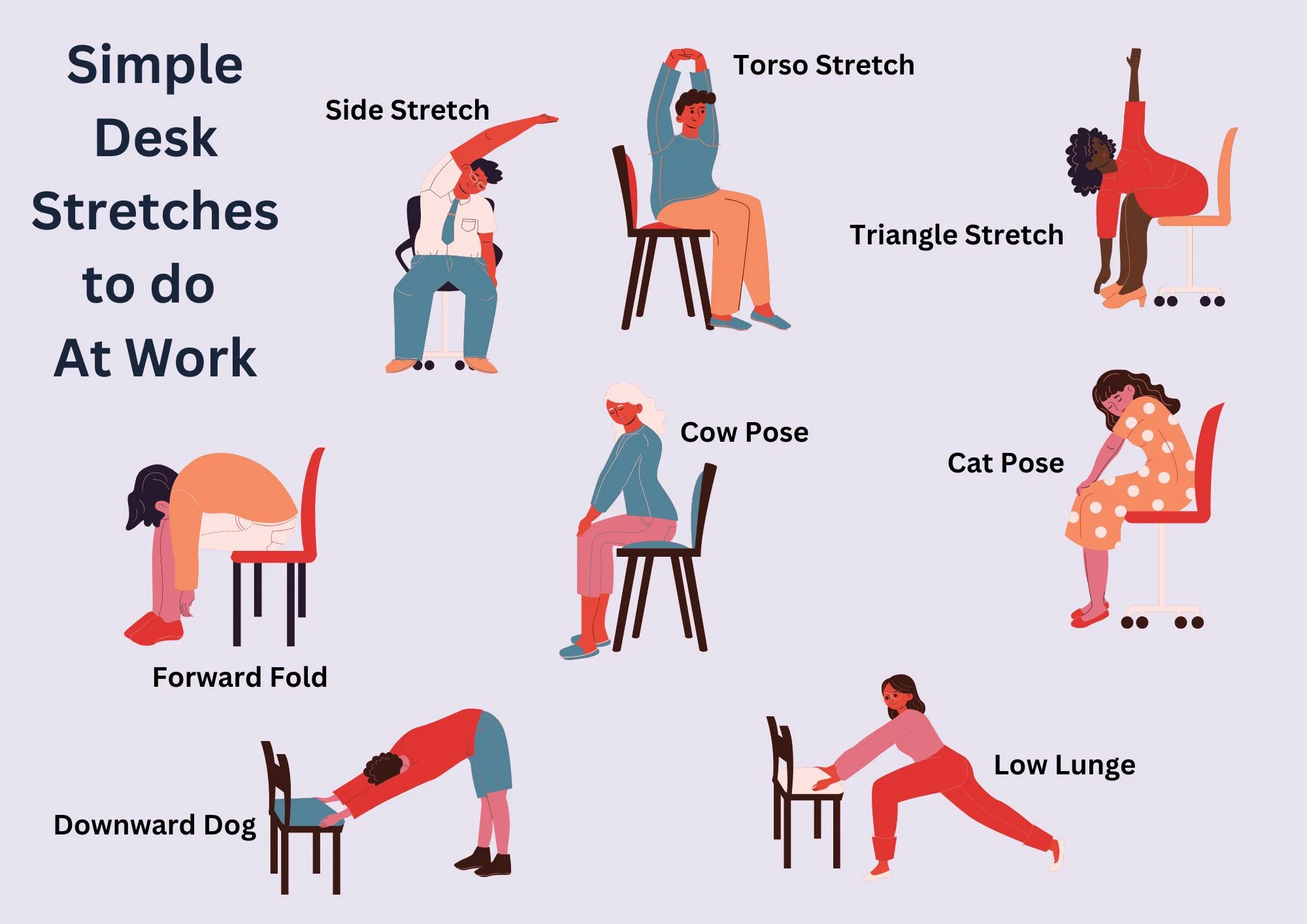
Ensuring correct form during posture correction exercises is critical for effectiveness and safety. Keeping the back straight during all stretches and exercises prevents unnecessary strain and supports proper muscle engagement. For example, during abdominal bracing, maintaining a tall posture with avoided forward bending or breath-holding helps sustain core activation without fatigue. When performing standing lumbar extensions, balancing evenly on both feet and keeping the knees straight protects the lower back. Attention to alignment also extends to the execution of wall angels, where controlled shoulder movements and maintaining contact with the wall throughout the exercise engage the appropriate muscles without compensation.
Recommended Frequency and Duration for Maximum Benefits
Consistency is key to reducing back pain through posture correction exercises. Daily practice, even in brief sessions, yields the best results. Stretching exercises such as chin-to-chest holds and shoulder rolls can be performed multiple times a day, especially during natural breaks in work, helping to interrupt long periods of sitting. Strengthening routines benefit from being included at least three to four times weekly, with repetitions suited to individual comfort levels. Incorporating these exercises into a regular wellness routine ensures they become manageable habits rather than time-consuming tasks. Careful attention to gentle execution and gradual progression prevents injury while promoting sustainable improvement.
Integrating Posture Awareness into Daily Office Routine
Ergonomic Adjustments to Complement Exercise
While exercises are essential, optimizing the workspace to support good posture is equally important. Incorrectly positioned screens and poorly adjusted chairs amplify the stress on the spine and diminish the benefits of corrective movements. Adjusting monitor height so screens are eye-level helps avoid the head drifting forward. Using chiropractor-recommended cushions to maintain the spine’s natural curve eliminates the common error of unsupported lumbar areas. Keyboard and mouse placement within easy reach prevents extended arms or wrist strain, which can indirectly affect upper body posture. Tailoring ergonomic solutions to individual needs avoids the pitfalls of a one-size-fits-all approach, especially regarding lumbar support.
Simple Habits to Maintain Correct Posture Throughout the Day
Developing mindfulness around posture is a practical strategy to reduce back pain for desk workers. Regularly checking posture during breaks to prevent leaning or slouching helps avoid muscle stiffness. Incorporating short mobility exercises between tasks fosters spinal flexibility and circulation. Prioritizing movement over extended stillness by standing or walking briefly every hour can disrupt harmful postural patterns. Keeping the back straight while seated and resisting the habit of rounding shoulders supports muscle balance. These small but consistent changes, integrated alongside ergonomic improvements and exercises, build a sustainable foundation for maintaining healthy posture during long workdays.
Case Studies: Success Stories of Posture Improvement in Desk Workers
Individual Experiences and Outcomes
Many desk workers who have adopted posture correction exercises report notable reductions in back pain and enhanced comfort during their work hours. One individual described relief after incorporating shoulder rolls and wall angels into their routine, emphasizing how simple movements integrated between meetings helped reduce muscle tension. Another shared that consistent practice of cat-cow mobilizations and adjustments to their ergonomic setup led to increased spinal mobility and less stiffness by the end of each day. These experiences illustrate that addressing posture problems early and combining exercise with environmental changes create tangible improvements in daily well-being.
Lessons Learned and Best Practices
The common theme among successful posture correction stories highlights the importance of consistency and customization. Users found that performing exercises regularly, even for short durations, made a significant difference without disrupting work commitments. They also learned to avoid common mistakes such as neglecting posture during exercises or using non-supportive seating. Tailoring ergonomic setups to personal preferences, rather than relying solely on generic solutions, proved critical in maintaining an upright posture comfortably. Finally, integrating posture-focused breaks and movement into daily office routines emerged as a sustainable practice that supports long-term spine health and reduces the risk of chronic back pain.