
























Understanding the Basics of Calorie Deficit
What is a Calorie Deficit?
A calorie deficit occurs when you consume fewer calories than your body needs to maintain its current weight. Essentially, it means burning more energy through daily activities and bodily functions than the calories you take in from food and drinks. This imbalance forces your body to tap into stored fat for fuel, making it a fundamental concept for weight loss.
Why It Matters for Weight Loss
Creating a calorie deficit is critical because it directly influences how much body fat you lose over time. Without a calorie deficit, weight loss will not occur as your body simply uses the energy you consume to maintain its current weight. Maintaining a sustainable calorie deficit ensures that weight loss is steady and healthy, reducing the risk of muscle loss and nutrient deficiencies.
Step-by-Step Guide to Calculating Your Daily Calorie Needs
Determining Your Basal Metabolic Rate (BMR)
The first step in calculating your calorie deficit is understanding your Basal Metabolic Rate (BMR). BMR represents the number of calories your body needs at rest to support basic functions like breathing, circulation, and cell production. Various formulas estimate BMR, such as the Mifflin-St Jeor Equation, which uses your age, sex, height, and weight to give a precise estimate. Knowing your BMR provides a foundation for calculating your total calorie needs.
Accounting for Physical Activity Level
After determining your BMR, you need to factor in your physical activity level to estimate your Total Daily Energy Expenditure (TDEE). This includes calories burned through exercise, walking, and other movements. Activities range from sedentary (little or no exercise) to extremely active (intense daily training or physical labor). Multiplying your BMR by an activity factor tailored to your lifestyle gives a more accurate picture of calories burned daily. This step is crucial because ignoring activity level can lead to miscalculations and ineffective calorie goals.
Methods to Determine Your Ideal Calorie Deficit
Choosing a Safe and Sustainable Deficit
The ideal calorie deficit balances weight loss goals with overall health. A common recommendation is to aim for a deficit of about 500 calories per day, which typically results in losing roughly one pound per week. This approach is sustainable and minimizes the risk of side effects like fatigue, irritability, or nutrient deficiencies. It’s important not to reduce caloric intake drastically; consuming too few calories can lead to health issues and hinder long-term success.
Examples of Deficit Amounts and Expected Weight Loss
For a clearer perspective, a 500-calorie deficit per day equals 3,500 calories per week, roughly the caloric equivalent of one pound of fat. If someone opts for a smaller deficit of 250 calories daily, they might expect to lose half a pound per week, which could be more manageable. Conversely, a larger deficit might accelerate weight loss but increase the risk of muscle loss and negative side effects, so it should be approached cautiously.
Tools and Resources for Tracking Calories
Popular Apps and Websites
Numerous digital tools simplify calorie tracking. Apps like MyFitnessPal, Lose It!, and Cronometer offer vast databases of food items with detailed nutrition facts, making it easier to log meals accurately. These platforms also allow you to set personalized calorie goals based on calculated BMR and activity level, helping you stay on track with your calorie deficit.
Using Food Journals and Wearables
Beyond apps, traditional food journals can be effective for those who prefer writing down meals manually, encouraging mindfulness about portion sizes and ingredient choices. Additionally, wearable devices such as fitness trackers monitor daily movement and estimate calories burned, providing valuable data to adjust your intake accordingly. Combining these methods enhances accuracy in maintaining a calculated calorie deficit.
Adjusting Your Calorie Deficit Over Time
Monitoring Progress and Plateaus
As you lose weight, your calorie needs will change because a lighter body requires fewer calories for maintenance. It’s common to experience plateaus where weight loss stagnates despite following the same calorie deficit. Monitoring progress through regular weigh-ins and body measurements helps you identify when adjustments are necessary. Staying patient and consistent during these phases is crucial for long-term success.
When and How to Modify Your Calorie Intake
If weight loss slows down or stops, reassessing your calorie needs is important. You may need to slightly reduce your daily intake or increase physical activity to create a new calorie deficit. However, avoid drastic cuts; instead, make small, gradual changes to prevent negative health impacts. Consulting a nutrition professional can help tailor modifications based on individual metabolism and goals, ensuring a safe approach.
Tips for Maintaining Energy and Nutrition While in a Deficit
Balancing Macronutrients
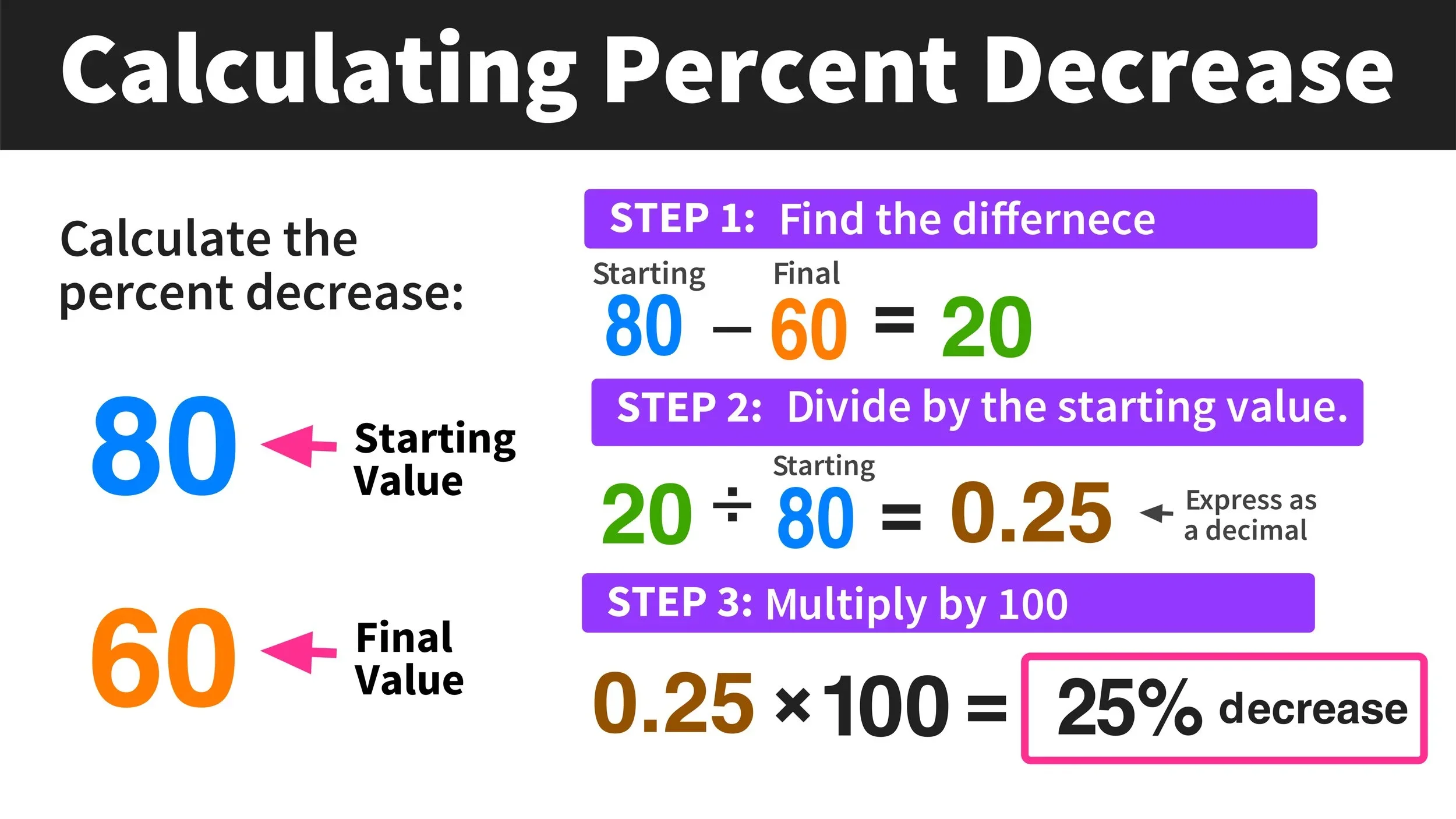
Maintaining proper macronutrient balance is essential for sustaining energy and preserving muscle mass during a calorie deficit. Protein plays a key role in hunger control and muscle maintenance. Sedentary individuals should target 1 to 1.2 grams of protein per kilogram of body weight daily, while active individuals might need 1.4 to 2.2 grams per kilogram. Fat intake should not fall below 1 gram per kilogram to avoid fatty acid deficiencies, representing 20-35% of total calories. Carbohydrates should fill the remaining calories, ideally comprising 45-65% of your intake, with an emphasis on complex, high-fiber sources for prolonged energy and satiety.
Importance of Hydration and Sleep
Staying hydrated is often overlooked but crucial, as thirst can be mistaken for hunger, leading to unnecessary calorie consumption. Drinking water regularly helps control appetite and supports metabolic functions. Similarly, adequate sleep is vital for hormonal balance affecting hunger and energy levels. Poor sleep can increase cravings and reduce motivation for physical activity, undermining weight loss efforts.
Common Mistakes to Avoid When Calculating Your Calorie Deficit
Several pitfalls can derail calorie deficit efforts. One frequent mistake is ignoring physical activity levels, resulting in underestimated energy needs. Another is failing to adjust calorie intake as weight and activity change, which can cause weight loss plateaus. Some rely solely on eating fewer calories or only exercise without finding a balance, while others neglect portion control and accurate calorie counting altogether.
Underestimating calories in commonly eaten foods, especially those prepared in different ways or through restaurant portions, is another challenge. High-calorie beverages like soda, sports drinks, energy drinks, and fruit juices often go unnoticed but add significant calories. Additionally, creating an excessively large deficit can lead to undesirable side effects like fatigue, headaches, nausea, irritability, and digestive issues.
Lastly, many overlook individual differences such as metabolism and health conditions, or they follow generic guidelines without seeking personalized advice. Addressing these common mistakes improves the accuracy of your calorie deficit and supports sustainable, healthy weight loss.