






















Understanding Morning Sickness and Its Impact on Nutrition
What Causes Morning Sickness?
Morning sickness is a common experience during early pregnancy, affecting many women to varying degrees. It is primarily caused by hormonal changes, especially the rapid increase in human chorionic gonadotropin (hCG) and estrogen levels. These hormones can influence the digestive system and trigger nausea and vomiting. While it’s often referred to as “morning” sickness, the discomfort can occur at any time throughout the day. Some women recall a story of waking up feeling nauseous and having to quickly find something bland to eat, underscoring how these symptoms can disrupt daily routines.
How Morning Sickness Affects Dietary Intake
The challenge of managing morning sickness lies not only in coping with nausea but also in maintaining adequate nutrition. When food triggers queasiness, many pregnant women find it difficult to consume enough calories and essential nutrients, risking both their own health and that of their developing baby. For example, a friend of mine experienced so much nausea she could barely keep down protein-rich meals. This led her to seek alternative ways to nourish herself, such as smoothies and small, frequent snacks. The key is to adapt eating habits to ensure sustained nutrient intake despite the discomfort.
Essential Nutrients Needed During Pregnancy
Key Vitamins and Minerals for Mother and Baby
Pregnancy significantly increases the body’s need for certain vitamins and minerals. Folic acid is essential early on to prevent neural tube defects, while iron supports increased blood volume and oxygen delivery. Calcium and vitamin D contribute to the baby’s bone development. One practical example is Sarah, who took prenatal vitamins with folic acid and iron after her doctor emphasized their importance, especially as morning sickness made it harder for her to get enough from food alone.
Balancing Macronutrients for Optimal Health
While focusing on micronutrients, it’s equally important to maintain a balanced intake of macronutrients — carbohydrates, proteins, and fats. Carbohydrates provide energy, proteins support tissue growth, and healthy fats aid brain development. Expecting mothers should aim to include all three in their meals, even if portions need to be smaller and more frequent. For instance, pairing peanut butter with a banana offers a blend of protein, fats, and carbohydrates that can be both tasty and easier on a sensitive stomach.
Practical Strategies to Ease Morning Sickness
Effective Dietary Adjustments
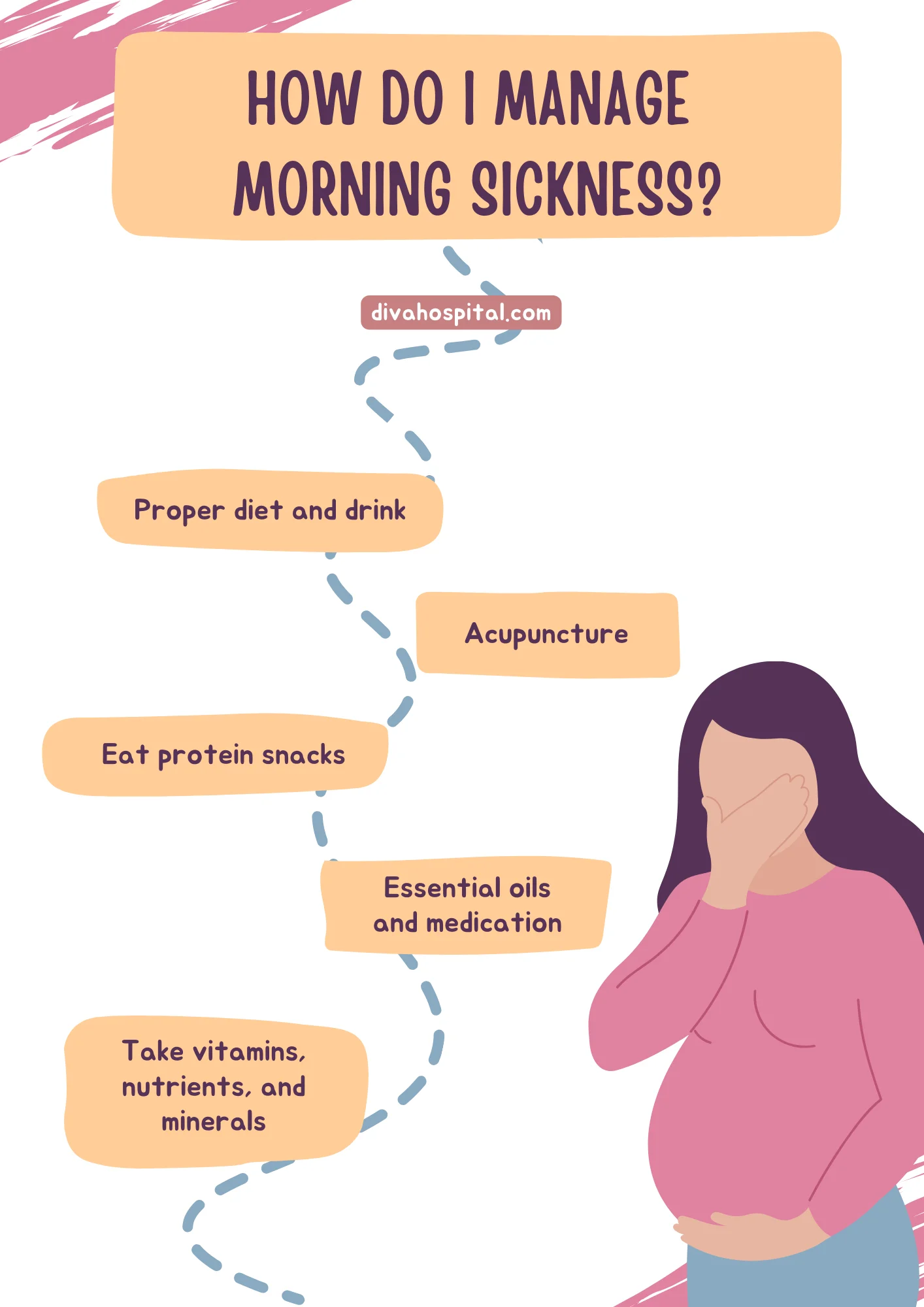
Incorporating natural remedies can significantly reduce nausea. Ginger, for example, has been shown to effectively decrease morning sickness symptoms. Drinking ginger tea can soothe the stomach, but some women prefer to strain out the ginger slices to avoid a strong taste. Additionally, eating small meals regularly helps prevent an empty stomach, which often worsens nausea. Another useful tip is to focus on food textures that are easy to digest, such as smooth purees or smoothies, which leave the stomach faster and tend to be better tolerated.
Lifestyle Changes to Reduce Symptoms
Besides dietary modifications, simple lifestyle changes can buffer morning sickness. Getting out of bed slowly to avoid sudden dizziness, staying well hydrated, and freshening the air by opening windows or using a fan are helpful tactics. One pregnant woman I know found that taking short walks after eating helped her feel less nauseous, as gentle movement assisted digestion. Avoiding strong odors and stressful situations can also decrease the intensity of morning sickness symptoms.
Meal Planning Tips for Pregnant Women With Morning Sickness
Small, Frequent Meals vs. Traditional Meal Patterns

Traditional three-meal-a-day routines may not work well for women struggling with nausea. Instead, eating smaller amounts more frequently can help keep the stomach from becoming too empty and reduce the urge to vomit. A practical example could be having five to six small meals throughout the day, such as a few crackers mid-morning, a small turkey sandwich at lunch, and a light dinner with steamed vegetables and well-cooked eggs. This approach not only alleviates symptoms but also helps maintain steady nutrient intake.
Snacks and Hydration Choices That Help
Choosing the right snacks is critical. Foods like bananas with a dab of peanut butter deliver both energy and protein in a gentle way. Avoiding unpasteurized dairy and juices, fish high in mercury, and prepared meats unless steaming hot is important to reduce health risks. Staying hydrated is equally important, and sipping water or herbal teas slowly throughout the day can help. However, it’s advisable to consult a healthcare provider before trying products with artificial sweeteners, as their safety in pregnancy varies.
When to Seek Medical Advice
Recognizing Severe Symptoms
While mild morning sickness is common, severe symptoms—such as persistent vomiting leading to dehydration, weight loss, or dizziness—require medical evaluation. A case in point is a patient who experienced such intense nausea that she was unable to retain any fluids, leading her to the emergency room for IV therapy. Recognizing these warning signs early ensures that both mother and baby remain healthy and supported.
Consulting Healthcare Providers About Dietary Supplements
Pregnant women should always discuss any supplements or dietary changes with their healthcare provider. For example, some may need additional iron supplements if their diet is insufficient, but these should be taken under supervision to avoid side effects. Healthcare providers can also recommend safe options to manage morning sickness and tailor nutrition plans based on individual needs, ensuring balanced intake without compromising safety.