
























Understanding Essential Oils: A Path to Natural Stress Relief
What Are Essential Oils?
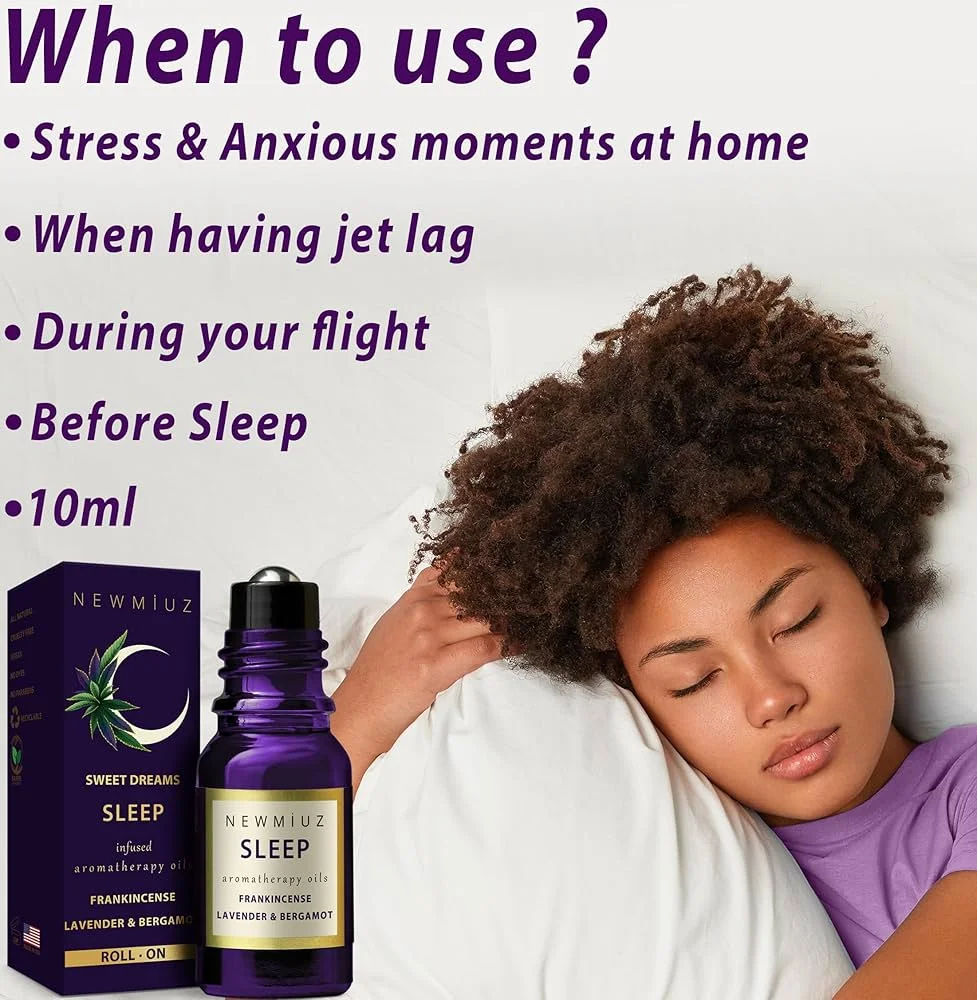
Essential oils are concentrated plant extracts that capture the natural aroma and beneficial properties of various herbs, flowers, and trees. These oils are obtained through processes such as steam distillation or cold pressing, preserving their potent compounds. People have used essential oils for centuries, appreciating their ability to influence mood and wellbeing without synthetic ingredients.
The Science Behind Aromatherapy and Stress Reduction
Stress often disrupts the body’s balance, triggering physical and emotional responses that can impact overall health. Aromatherapy, which involves inhaling essential oil vapors, is believed to engage the limbic system in the brain—the part responsible for emotions and memories. This connection explains why certain scents can evoke relaxation or upliftment. While research is ongoing, many individuals report feeling calmer and more centered after aromatherapy sessions, suggesting a meaningful role for essential oils in managing stress.
How Essential Oils Interact with the Brain
When inhaled, essential oil molecules travel through the nasal passages to receptors linked to the brain’s limbic system. This interaction may influence neurotransmitter activity, potentially reducing feelings of anxiety and promoting relaxation. The sensory experience of pleasant scents also distracts the mind from stressors, creating a soothing environment. This natural communication between scent and brain chemistry underlies why essential oils can be valuable tools for improving mood and fostering restful sleep.
Top Essential Oils for Stress Reduction and Sleep Improvement
Lavender: The Ultimate Relaxant
Lavender oil is widely recognized for its calming effects, often described as gentle yet powerful in promoting relaxation. People struggling with stress or restless nights frequently turn to lavender for its soothing fragrance. Its ability to create a sense of tranquility helps ease the mind, making it easier to unwind after a busy day.
Chamomile: Calming and Soothing Effects
Chamomile essential oil carries a soft, apple-like aroma that many find comforting. Known historically for its calming properties, chamomile can help reduce restlessness and create a peaceful atmosphere. This oil is particularly helpful for individuals who feel overwhelmed or have difficulty settling into sleep, as it encourages mental ease.
Ylang Ylang and Bergamot: Mood Enhancers
Ylang ylang and bergamot oils are often used for their uplifting and mood-enhancing qualities. Ylang ylang’s sweet floral scent is associated with reducing tension and fostering relaxation, while bergamot offers a citrusy aroma that can stimulate positivity and calm nervous energy. Together, these oils can support emotional balance and contribute to a better sleep experience.
Practical Ways to Use Essential Oils for Better Sleep
Diffusers and Aromatherapy: Creating a Sleep-Friendly Environment
One of the most accessible ways to use essential oils is through a diffuser. This device disperses fine oil particles into the air, filling the room with calming scents. Setting up a diffuser an hour before bedtime can help signal your brain that it’s time to slow down. This method creates a consistent, gentle aroma that supports a restful atmosphere without being overpowering.
Topical Application: Safe Methods and Recipes
Applying essential oils to the skin can enhance their calming effects, but it requires careful handling to avoid irritation. Diluting oils with carrier oils like almond or jojoba ensures safe absorption. Common areas include the wrists, temples, and the back of the neck. Simple blends combining lavender and chamomile can be gently massaged into these areas to promote relaxation. It’s important to patch test first and avoid sensitive skin regions.
Inhalation Techniques: Quick Stress Relief
For immediate soothing, inhaling essential oils directly can provide fast relief from stress. This can be done by placing a few drops on a tissue or cotton ball and taking slow, deep breaths. The focused breathing alongside the calming scent helps reduce tension quickly, making it useful during moments of heightened anxiety or before sleep. This technique offers an easy and portable way to harness essential oils’ benefits.
Combining Essential Oils with Lifestyle Habits for Maximum Impact
Evening Routines Enhanced by Aromatherapy
Integrating essential oils into a regular evening routine can create a powerful signal to the body that it’s time to relax and prepare for sleep. Simple habits, like a warm bath infused with a few drops of calming oils or a short self-massage, help transition from busy daytime activities to restful nighttime. Pairing aromatherapy with dim lighting and quiet moments sets the stage for deeper, more restorative rest.
Mindfulness and Essential Oils: A Holistic Approach
Combining essential oils with mindfulness practices can amplify their calming effects. Mindful breathing, meditation, or gentle stretching while enjoying soothing scents encourages deeper presence and stress relief. This holistic approach not only addresses physical tension but also nurtures emotional balance. Incorporating oils into these moments supports a peaceful mindset, which is essential for restful sleep.
Precautions and Best Practices When Using Essential Oils
Choosing Quality Oils
Not all essential oils are created equal; quality matters significantly for safety and effectiveness. Pure, natural oils sourced from reputable suppliers tend to retain their beneficial properties better. Avoid products with synthetic additives or unclear ingredient lists, as inferior oils may cause adverse reactions or lack the desired calming effects. Researching and selecting trusted brands can make a noticeable difference in your experience.
Potential Allergies and Skin Sensitivities
Essential oils can cause allergic reactions or skin irritation in some individuals, especially when applied topically. It is wise to conduct a patch test on a small skin area before broader use. Those with sensitive skin or underlying conditions should exercise extra caution and observe how their skin responds. Discontinuing use at the first sign of redness, itching, or discomfort helps prevent more severe reactions.
Essential Oils to Avoid Before Bedtime
Certain essential oils have stimulating properties that may interfere with sleep rather than promote it. Oils like peppermint, eucalyptus, or rosemary tend to increase alertness and energy levels, potentially disrupting relaxation efforts. Being aware of these effects helps in choosing oils that truly support calmness and restful sleep. Tailoring selection to individual responses ensures essential oils enhance rather than hinder nighttime routines.