





















Understanding Large Pores: Causes and Myths
What Contributes to Enlarged Pores?
Enlarged pores are primarily influenced by genetics, skin type, and environmental factors. Excess oil production causes pores to stretch, making them more visible. Aging also reduces skin elasticity, causing pores to appear larger. Additionally, clogged pores from dirt or makeup buildup can expand pore size temporarily.
Common Misconceptions About Large Pores
Many believe large pores are a result of poor hygiene, but this is false. Over-washing or using harsh scrubs can worsen pore appearance by irritating the skin. Another myth is that heavy makeup always hides pores; in reality, some products can clog pores and exacerbate the issue. Understanding these misconceptions helps in adopting better skincare habits.
Prepping Your Skin for the Day
Choosing the Right Cleanser for Pore Minimization
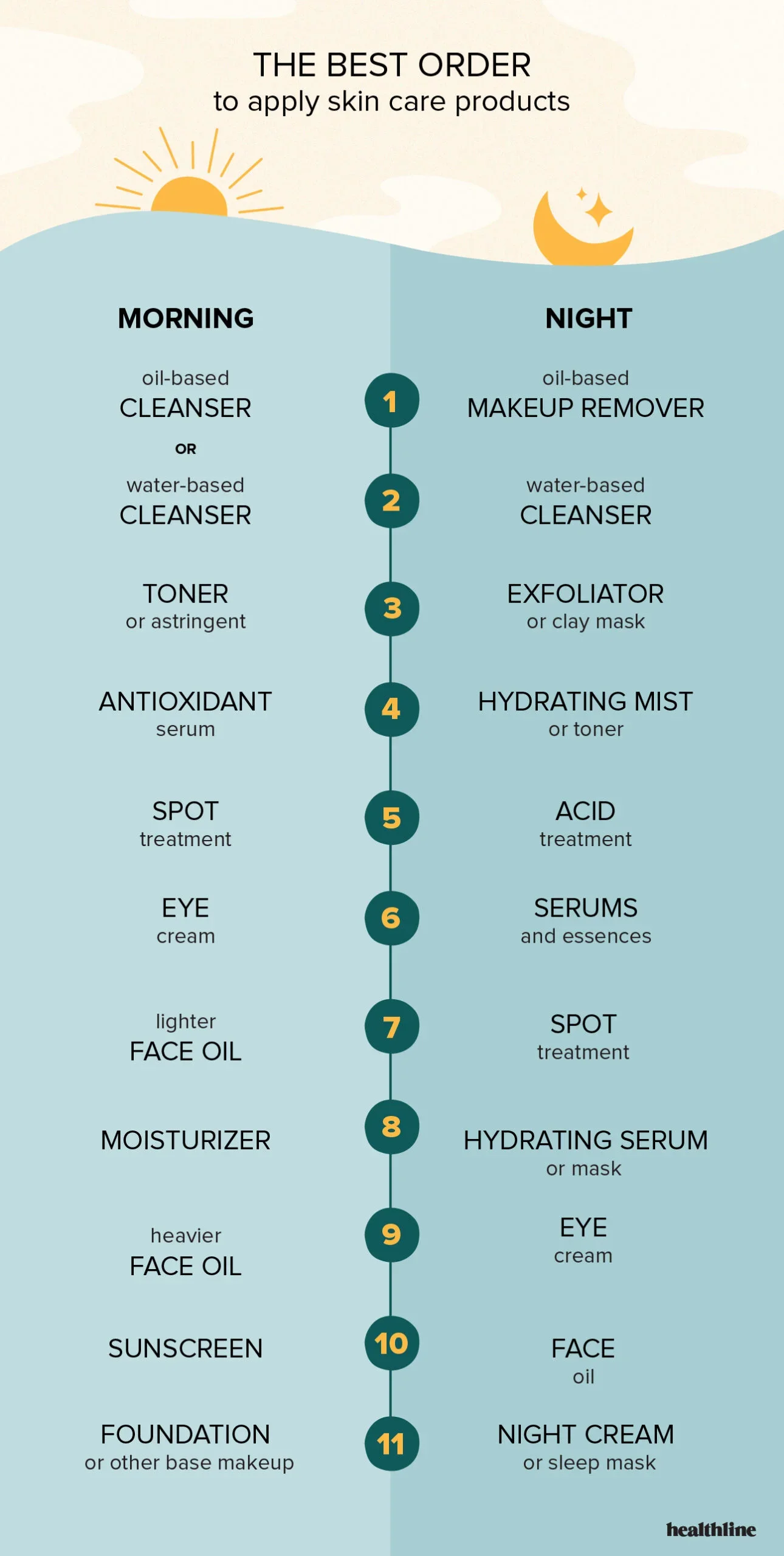
Starting your morning with a cleanser suited for your skin type is essential. Gentle cleansers remove excess oil and impurities without stripping moisture. Avoiding harsh, abrasive formulas prevents irritation and pore enlargement. Double cleansing at night complements morning routines, ensuring pores stay clean and refined.
Importance of Gentle Exfoliation in the Morning
Exfoliation removes dead skin cells that clog pores and cause dullness. While physical scrubs can irritate, chemical exfoliants like AHAs and BHAs gently clear the skin’s surface and within pores. Regular exfoliation—adjusted to your skin’s sensitivity—improves texture and reduces pore visibility without the need for heavy makeup.
Essential Morning Skincare Steps to Reduce Pore Appearance
Toners and Their Role in Tightening Pores
Toners balance skin pH and help tighten pores. Using exfoliating toners or pads with ingredients like salicylic acid can gently clear pores, smooth skin, and prepare it for the next steps. Choose alcohol-free toners to avoid dryness and irritation that can enlarge pores.
Serums That Target Pore Size Without Heaviness
Lightweight serums containing niacinamide or retinol derivatives help regulate oil production and improve skin texture. Starting retinol gradually is vital for building skin tolerance and avoiding irritation. These serums refine pores subtly and can be layered under moisturizers without creating heaviness.
Lightweight Moisturizers for a Matte Finish
Opt for non-comedogenic, oil-free moisturizers that hydrate without clogging pores. Matte-finish formulations reduce shine and help maintain a smooth appearance throughout the day. Using the right moisturizer supports skin barrier health, which is critical for minimizing pore size.
Sun Protection and Its Impact on Skin Texture
Why SPF Helps Prevent Pore Enlargement
UV damage breaks down collagen and elastin fibers, which support pore structure. Regular SPF use protects against these harmful effects, preserving skin’s firmness and preventing pores from stretching. Applying sunscreen every morning is a non-negotiable step for maintaining refined skin texture.
Best Non-Comedogenic Sunscreens for Sensitive Skin
Choose sunscreens labeled “non-comedogenic” to avoid pore clogging. Mineral sunscreens with zinc oxide or titanium dioxide are gentle and suitable for sensitive skin. Many formulations also offer lightweight, matte finishes that complement a minimal makeup routine while protecting pores.
Additional Tips to Keep Pores Small Throughout the Day
Incorporating Blotting Papers and Oil-Control Products
Blotting papers help absorb excess oil without disturbing makeup or skincare layers. They are convenient for reducing midday shine and preventing pore-clogging buildup. Using oil-control powders or lightweight primers can also maintain a smooth complexion with minimal product use.
Hydration and Dietary Factors Affecting Pore Size
Staying hydrated keeps skin plump, which reduces the appearance of pores. A balanced diet rich in antioxidants and low in processed sugars supports skin health and elasticity. Avoiding excessive dairy or greasy foods may also help control oil production, contributing to smaller-looking pores over time.