



















Understanding the Importance of Energy During Pregnancy
How Pregnancy Affects Your Energy Levels
Pregnancy brings profound changes to a woman’s body, many of which can significantly impact energy levels. In the early stages, hormonal fluctuations, particularly increased progesterone, often lead to feelings of fatigue. This natural tiredness can be compounded by the physical demands of supporting the growing fetus. As the pregnancy progresses, energy needs increase due to the growing baby’s requirements and changes in the mother’s metabolism. These shifts mean that managing energy becomes a cornerstone of maintaining overall health and well-being during pregnancy.
The Role of Nutrition in Sustaining Energy
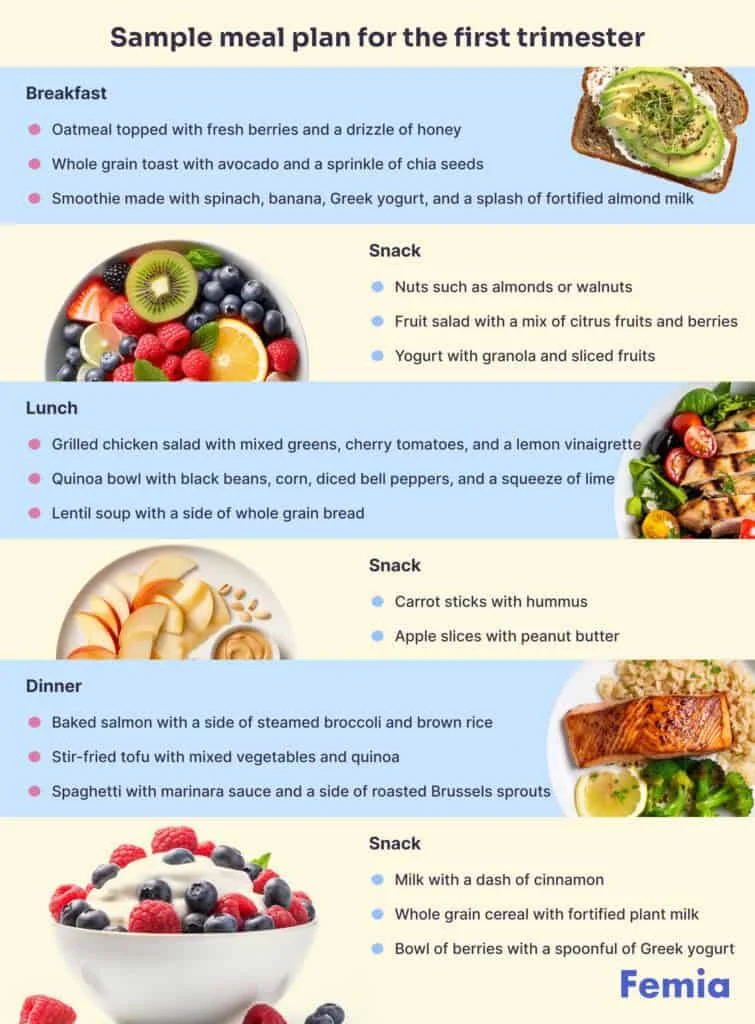
Nutrition plays a pivotal role in how well an expectant mother can sustain her energy throughout the day. Adequate calorie intake is essential to fuel both the mother’s body and the developing baby. However, it’s not just about calories; the quality of the foods consumed matters enormously. Consuming nutrient-dense meals that provide vitamins, minerals, and macronutrients efficiently supports energy production. Balanced nutrition helps prevent fatigue, supports the immune system, and prepares the body for labor and breastfeeding.
Key Nutrients to Include in Your Pregnancy Meal Plan
Top Energy-Boosting Vitamins and Minerals
Certain vitamins and minerals are especially important to enhance and sustain energy during pregnancy. Iron is critical because it helps transport oxygen in the blood, preventing anemia and fatigue. Pairing iron-rich foods with vitamin C sources improves absorption, making your meals more effective. Additionally, B vitamins, including B6 and B12, contribute to energy metabolism, helping the body convert food into usable fuel. Magnesium also plays a supporting role in muscle function and energy production, making it another essential element in a pregnancy diet.
Foods Rich in Iron, Protein, and Complex Carbohydrates
Incorporating foods rich in iron, protein, and complex carbohydrates ensures steady energy release rather than spikes and crashes. Lean meats, poultry, and fish like salmon provide high-quality protein and iron, though pregnant women should limit high-mercury fish to a maximum of 6 ounces weekly. Plant-based iron sources such as chickpeas and leafy greens are excellent when paired with vitamin C-rich foods like citrus fruits or peppers. Complex carbohydrates from whole grains, such as brown rice, oats, and whole grain bread, supply sustainable energy and fiber to aid digestion. Including a variety of these foods in your meals will create a robust foundation for maintaining energy throughout the day.
Practical Meal Planning Strategies for Expectant Mothers
Balancing Macronutrients for Steady Energy
Achieving a balance of macronutrients—carbohydrates, proteins, and fats—in each meal supports steady blood sugar levels and prolonged energy. For pregnancy, nutrient-dense meals are key, as they provide essential vitamins and minerals alongside calories. Including healthy fats like avocado or nuts helps with nutrient absorption and hormonal health. To maintain this balance practically, using simple recipes can help: think of dishes like avocado toast with scrambled eggs or brown rice bowls with grilled chicken and vegetables. Preparing extra portions during dinner can also create convenient leftovers, boosting meal planning efficiency and sustaining energy needs.
Healthy Snacking Tips to Avoid Energy Slumps
Since pregnancy often requires an increased calorie intake, especially in later trimesters, eating smaller, more frequent meals can be beneficial. Snacks help prevent energy dips and combat nausea or indigestion. Opt for snacks that combine protein, fiber, and healthy fats, such as hummus with fresh vegetables or string cheese paired with grapes. Keeping staple snacks like Greek yogurt, trail mix, and baked apples with oats and yogurt readily available can make it easier to choose nutrient-rich options over less beneficial ones. These healthy snacking habits support continuous energy levels and contribute to overall nutrition.
Sample Meal Plans Tailored for Each Trimester
First Trimester: Managing Fatigue and Nausea
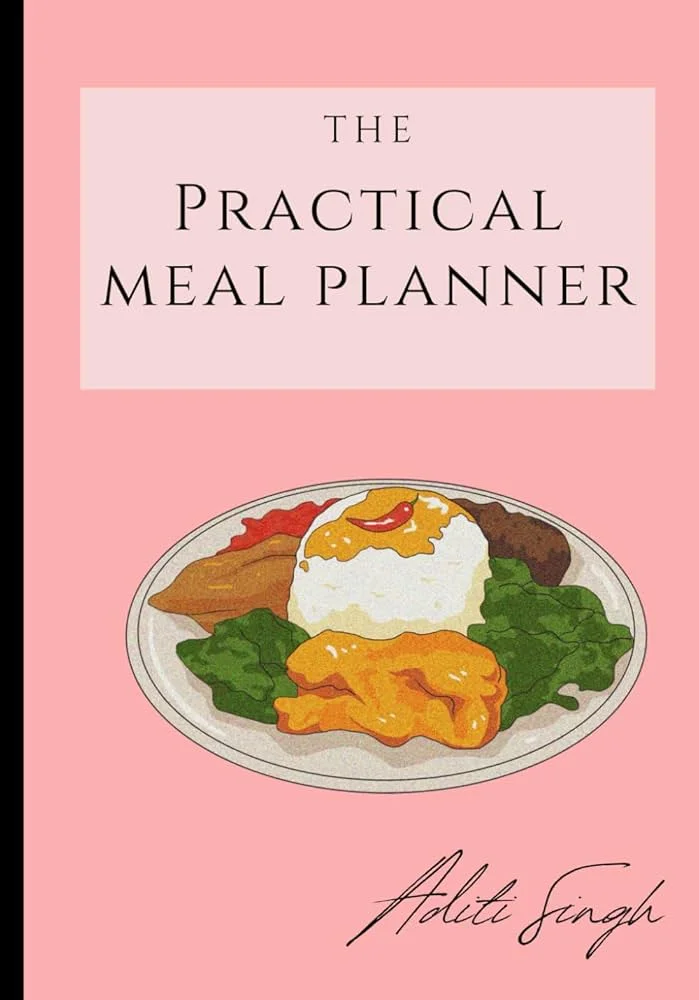
During the first trimester, the focus should be on nutrient density rather than increasing calories dramatically. Meals that are easy to digest and gentle on the stomach tend to work best, especially when managing nausea. Breakfast options such as fortified whole grain cereal with milk or oatmeal with dried fruit and nuts provide gentle nourishment. Lunches might consist of leafy greens with chickpeas and almonds, providing iron and protein without being heavy. Smaller, more frequent meals can help maintain energy while reducing queasiness. Keeping breakfast staples like eggs and fruits on hand ensures there’s always a suitable option available.
Second Trimester: Maintaining Consistent Energy
As the second trimester usually brings increased appetite and energy, adding about 300 to 350 extra calories daily supports both the mother and baby. This is an ideal time to introduce meals that combine complex carbohydrates, protein, and healthy fats, such as quesadillas with cheese and grilled chicken or brown rice bowls with vegetables. Incorporating themes like Taco Tuesday or Meatless Monday can add variety and keep meal planning interesting. Snacks like popcorn with dried fruit and nuts or guacamole with sliced peppers help maintain energy levels between meals. Maintaining a designated grocery shopping day each week ensures fresh ingredients are always available to support a balanced diet.
Third Trimester: Preparing for Labor and Delivery
In the third trimester, energy needs rise further, requiring an additional 450 to 500 calories per day. Because digestion can become more challenging, eating smaller, more frequent meals helps alleviate discomfort and constipation. Dinner options such as grilled or baked salmon with broccoli and sweet potato or roasted chicken with garlic and vegetables provide nutrient density without being overly heavy. Including iron-rich foods paired with vitamin C promotes better absorption, which is particularly important to prevent anemia as labor approaches. Simple recipes like breakfast burritos or chia-berry smoothies can provide quick, nutritious options to fit a busy schedule.
Hydration and Lifestyle Tips to Complement Your Meal Plan
Optimal Fluid Intake for Pregnancy
Hydration is a crucial but sometimes overlooked component of maintaining energy during pregnancy. Drinking enough fluids supports healthy blood volume, digestion, and temperature regulation. Aim to include pregnancy-safe herbal teas, unsweetened juices, and milk alongside water throughout the day. These choices not only keep you hydrated but also contribute additional nutrients. Sipping fluids steadily, rather than consuming large amounts at once, can help reduce feelings of fullness and discomfort, making it easier to maintain regular nutritious meals.
Exercise and Rest for Sustained Energy
Along with balanced nutrition and hydration, incorporating gentle exercise into your routine can significantly boost energy levels, improve mood, and enhance circulation. Activities such as walking, prenatal yoga, or swimming can be particularly beneficial. Equally important is getting adequate rest. Quality sleep helps the body recover and replenish energy stores. Listen to your body and allow for extra rest periods when needed, especially during the first and third trimesters when fatigue is often more pronounced. Together with a thoughtful meal plan, these lifestyle habits create a supportive environment for sustained pregnancy energy.