












Understanding Emotional Connection in Conflict
The Role of Emotions in Relationship Conflicts
Emotions are at the core of most relationship conflicts. They signal personal needs, fears, and boundaries. When emotions run high, they can cloud judgment and trigger defensive reactions. Recognizing the emotional roots of disagreements helps partners move beyond surface issues, fostering deeper understanding rather than escalating tension.
How Conflict Can Strengthen Bonds When Managed Well
Conflict, though often seen as negative, can actually deepen emotional connection when handled appropriately. It offers an opportunity to reveal vulnerabilities, express unmet needs, and collaborate on solutions. Successfully navigating conflict builds trust and resilience, making the relationship stronger over time.
Preparing Yourself for Constructive Conflict Resolution
Recognizing Your Emotional Triggers
Before engaging in difficult conversations, it is crucial to identify your emotional triggers. Awareness of what provokes intense reactions enables you to pause and choose a more measured response. This self-awareness prevents the escalation of conflict and encourages more productive dialogue.
Practicing Mindfulness and Emotional Regulation
Mindfulness techniques, such as deep breathing and journaling, help regulate emotions during conflict. Taking slow, deep breaths calms the nervous system and creates space for thoughtful responses. Journaling offers an outlet to explore feelings privately, reducing emotional overload before approaching your partner.
Effective Communication Techniques to Foster Connection
Active Listening Strategies During Disagreements
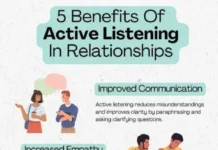
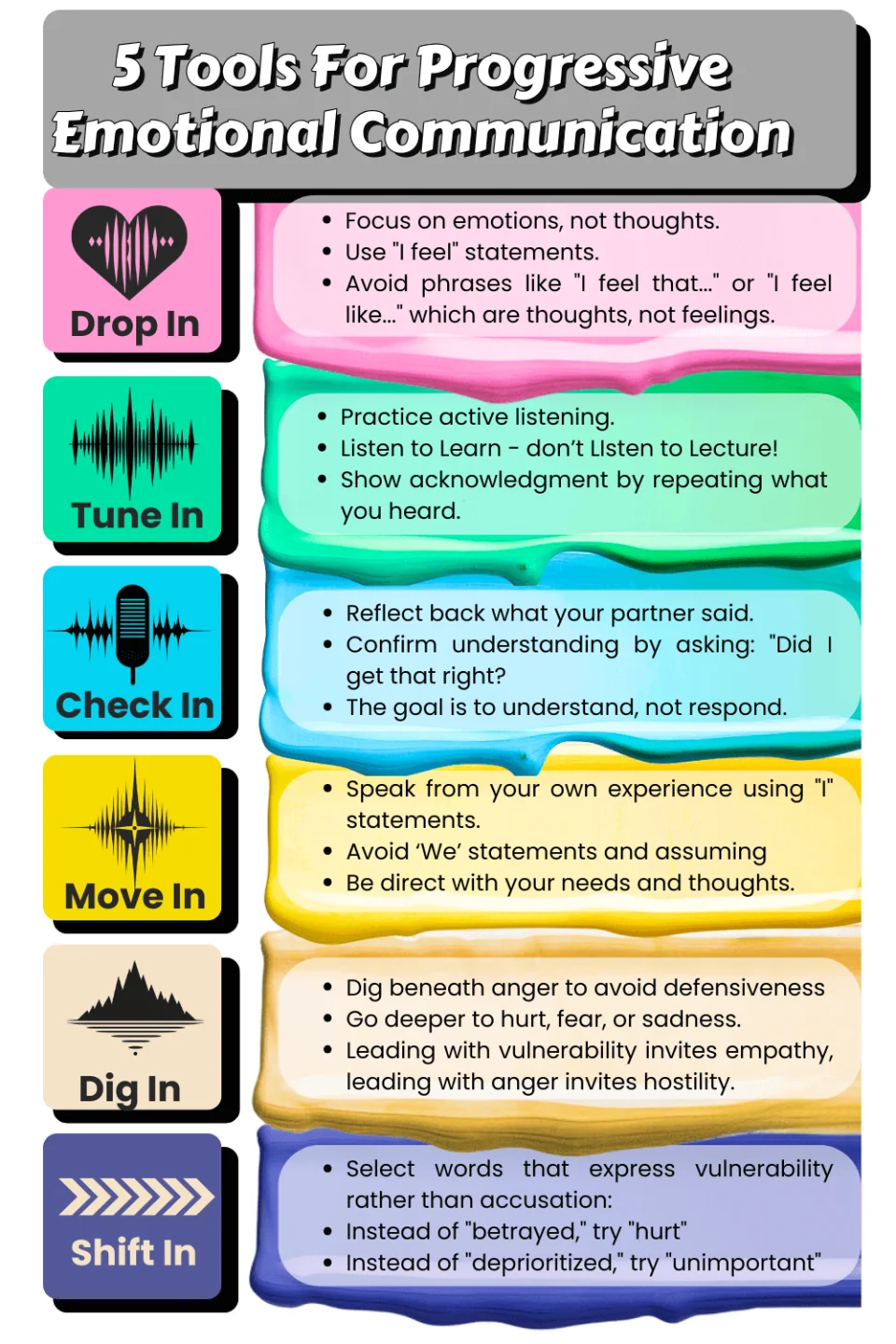
Active listening involves fully focusing on your partner’s words without interrupting or preparing a rebuttal. It means acknowledging their feelings and validating their experience. This approach transforms conversations from confrontations into mutual understanding, laying the groundwork for resolution.
Using “I” Statements to Express Feelings Without Blame
Expressing feelings through “I” statements removes blame and reduces defensiveness. Statements like “I feel hurt when…” communicate your perspective clearly while inviting your partner to listen empathetically. This technique encourages honest sharing and deepens emotional connection.
Building Empathy and Understanding
Validating Your Partner’s Emotions
Validation means recognizing your partner’s emotional experience as real and important. It does not require agreement but shows respect for their feelings. This acknowledgment fosters emotional safety and encourages openness in conversations during conflicts.
Asking Open-Ended Questions to Explore Their Perspective
Open-ended questions invite your partner to share their thoughts and feelings without pressure. Asking, “Can you help me understand how you felt?” demonstrates genuine curiosity and encourages a deeper dialogue. This approach builds empathy and bridges emotional gaps.
Collaborative Problem-Solving Steps
Identifying Common Goals
Focusing on shared goals shifts the dynamic from opposition to partnership. When both partners clarify what they want for the relationship, it creates a foundation for collaboration. Common goals such as mutual respect and harmony guide the resolution process constructively.
Brainstorming Solutions Together
Brainstorming encourages creative problem-solving free from judgment. Listing possible solutions together generates options that accommodate both partners’ needs. This cooperative effort enhances commitment to agreed-upon changes and strengthens the emotional bond.
Post-Conflict Practices to Reconnect
Expressing Appreciation After Resolution
After resolving a conflict, expressing appreciation reassures your partner of your care and commitment. Recognizing efforts made during the process restores warmth and reduces residual tension. Simple acts of gratitude nurture the emotional connection post-disagreement.
Establishing Rituals to Restore Emotional Safety
Engaging in shared activities like walking, cooking, or cuddling helps rebuild closeness after conflict. These rituals reaffirm the relationship’s positive aspects and create safe emotional space. Regularly scheduling such moments ensures continuous emotional repair and growth.
Long-Term Strategies for Emotional Intimacy During Conflict
Developing Healthy Conflict Habits
Consistent application of respectful communication and emotional regulation practices cultivates healthy conflict habits. Setting boundaries around timing and tone prevents damage and maintains connection. Regular check-ins using simple methods like the three-word relationship check-in keep communication channels open.
Continuous Growth Through Couples Therapy or Workshops
Engaging in therapy or relationship workshops supports ongoing emotional development. These resources provide tools to navigate conflict constructively and deepen intimacy. Investing in professional guidance reinforces partners’ commitment to sustaining a loving, resilient relationship.