























Understanding Weight Loss Plateaus
What Causes a Plateau?
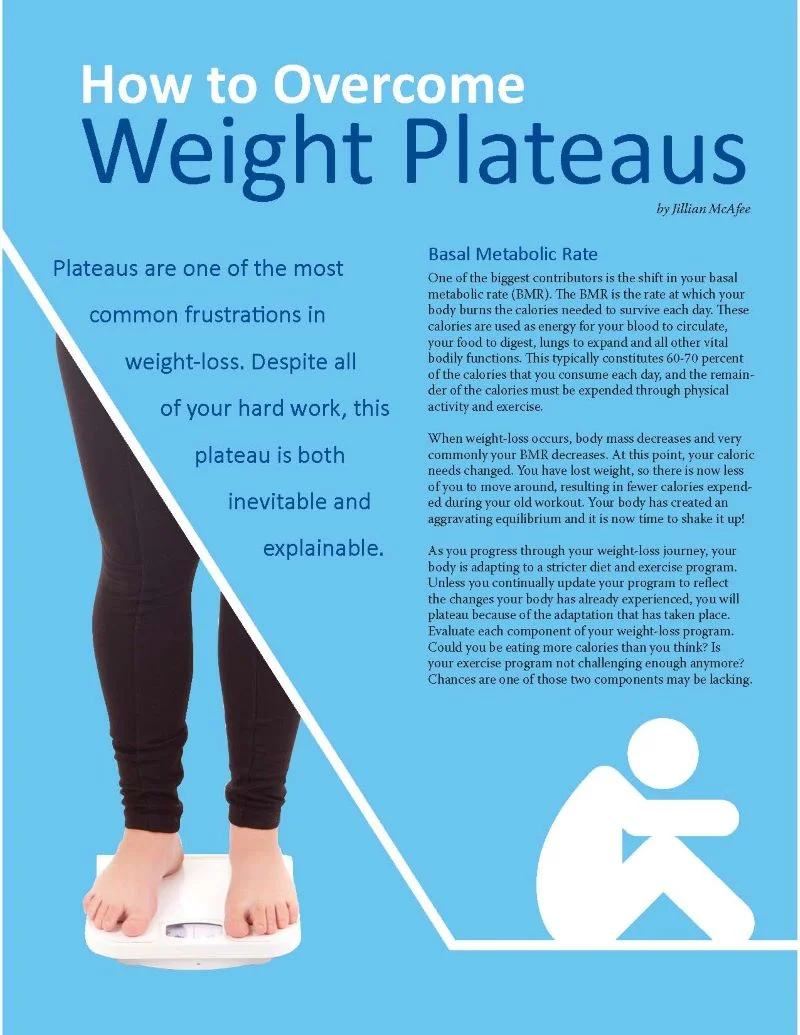
Weight loss plateaus occur when your body stops losing weight despite continuing your calorie deficit and workout routine. Several factors contribute to this frustrating stall. Common causes include overeating, not consuming enough protein, insufficient exercise, and lack of sleep. Additionally, hormonal fluctuations, water retention, and metabolic adaptations play major roles. Over time, your calorie expenditure often equals your intake, eliminating the calorie deficit necessary for continued weight loss.
Biological and Psychological Factors Involved
Biologically, the body adapts to sustained calorie deficits through decreased resting metabolic rate, reduced fat oxidation, and hormonal changes that increase hunger sensations. This evolutionary resistance helps preserve fat stores as protective reserves. Psychologically, hitting a plateau can cause discouragement, leading to behavioral fatigue where individuals may unconsciously eat more or exercise less. Stress and high cortisol levels further complicate weight loss efforts, making plateaus a multidimensional challenge.
Reassessing Your Calorie Deficit
How Calorie Needs Change Over Time
As weight decreases, your total daily energy expenditure (TDEE) drops because your body requires fewer calories to maintain a smaller mass. Muscle loss, if any, also reduces basal metabolic rate (BMR). Moreover, increased metabolic efficiency from regular exercise means you burn fewer calories for the same workout. Therefore, the calorie deficit that once worked may no longer be sufficient over time. Understanding these shifts allows you to adjust your intake for continued progress.
Identifying If Your Deficit Is Too Small or Too Large
A deficit that is too small may result in very slow or stalled fat loss, whereas an excessively large deficit can lead to loss of muscle mass, decreased energy levels, and increased hunger, which may sabotage adherence. Tracking food intake and monitoring hunger and energy can help identify the right deficit size. Using tools like the NASM weight loss calculator to estimate BMR and TDEE provides benchmarks to tailor your calorie intake effectively.
Strategic Adjustments to Your Calorie Intake
Gradually Increasing or Decreasing Calories
When a plateau occurs, rather than drastically slashing calories, gradually adjusting your intake can reverse metabolic adaptations. Sometimes increasing calories modestly for a short period—also known as a diet break—can reset hunger hormones and improve adherence. On the other hand, slightly lowering calories or increasing energy expenditure can reignite fat loss. Both approaches require individualized planning and careful monitoring to maintain muscle and metabolic function.
The Role of Meal Timing and Macronutrient Balance
Meal timing and macronutrient composition influence metabolism and appetite regulation. Increasing protein intake supports muscle preservation and boosts metabolic rate through the thermic effect of food. Balancing carbohydrates and fats with a focus on low-carb vegetables and soluble fiber improves satiety and digestion. Some individuals may benefit from intermittent fasting schemes which can naturally reduce calorie intake and improve insulin sensitivity, but these methods should be personalized and sustainable.
Incorporating Physical Activity to Boost Results
Adjusting Exercise Type and Intensity
To overcome a plateau, increasing the frequency or intensity of exercise helps expand calorie expenditure. Adding strength training builds muscle, which elevates resting metabolic rate over time. Incorporating high-intensity interval training (HIIT) can also enhance fat oxidation. Changing up your routine prevents the body from adapting too efficiently to a monotonous exercise pattern, thus sustaining metabolic challenge and progress.
Active Recovery and Its Impact on Metabolism
Active recovery—such as light walking, stretching, or yoga—between intense workout days supports metabolism without causing excessive fatigue. Increasing non-exercise activity thermogenesis (NEAT) by standing more, fidgeting, or using a standing desk incrementally raises daily calorie burn. These small movements accumulate, helping to maintain a calorie deficit while preserving energy levels and preventing burnout.
Tracking and Monitoring Progress
Tools to Measure Caloric Intake and Expenditure
Using apps and online platforms to track calorie and macronutrient intake provides clear data to adjust your deficit accurately. Fitness trackers and smartwatches help estimate daily energy expenditure and steps. Regularly updating these measurements ensures your plan evolves with your changing weight and activity levels, avoiding plateaus caused by static routines.
How to Interpret Weight and Body Composition Changes
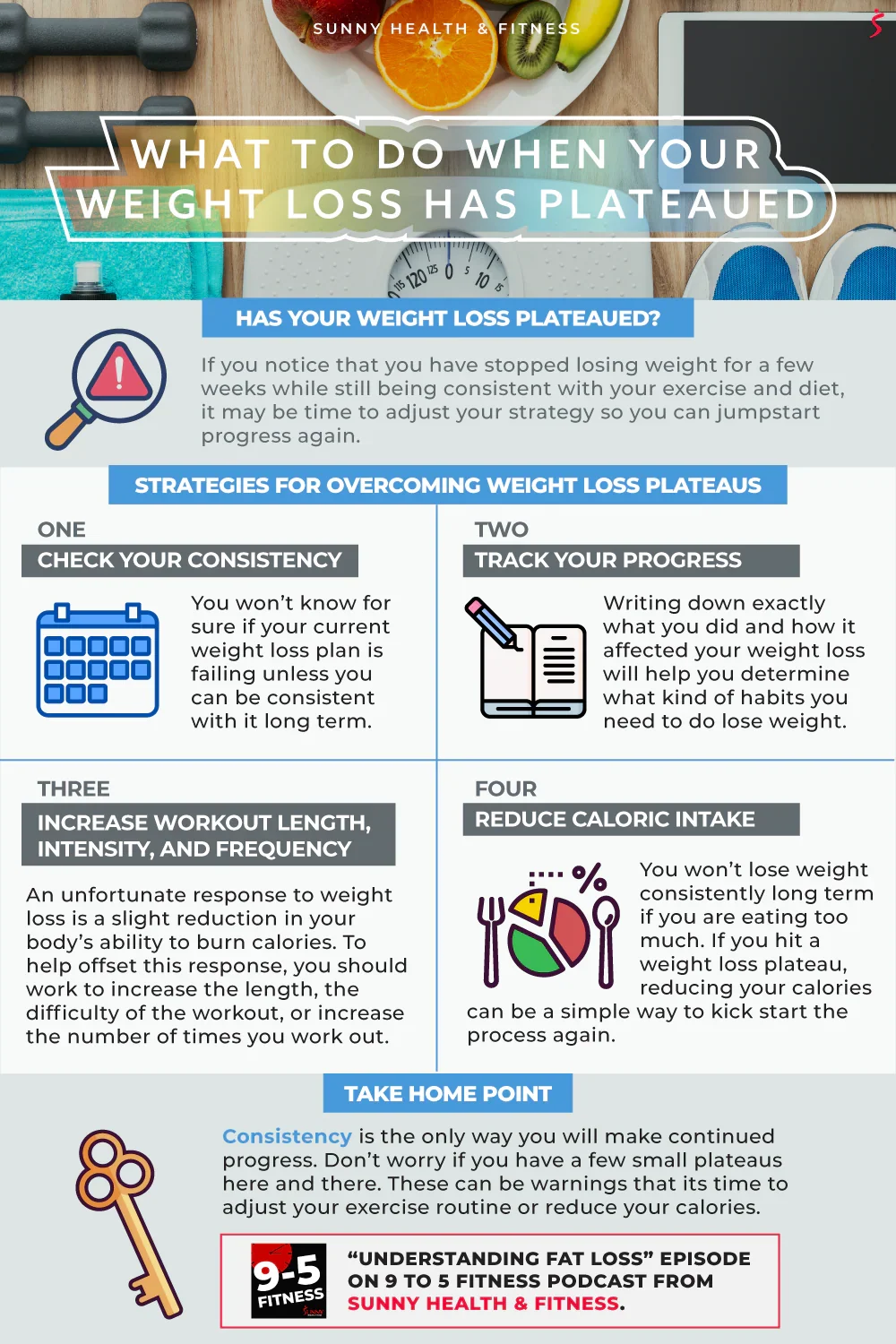
Relying solely on scale weight can be misleading, as muscle gain and water retention distort measurements. Understanding that fat loss may occur even when scale numbers plateau is essential. Body composition tools, progress photos, and measurements of waist or body fat percentage offer better insights. Recognizing normal fluctuations and focusing on fat loss rather than just weight helps maintain motivation and realistic expectations.
Psychological Tips for Staying Motivated During a Plateau
Mindset Shifts and Setting Realistic Expectations
Knowing that weight loss is not linear and expecting plateaus as a natural part of the journey can reduce frustration. Shifting mindset towards valuing non-scale victories, such as improved fitness, better sleep, or mood, helps maintain focus. Setting achievable, short-term goals and celebrating incremental successes fosters sustained commitment and prevents discouragement.
Support Systems and Accountability Methods
Engaging with support groups, whether online communities or in-person, provides encouragement and shared experiences that reinforce adherence. Accountability partners or professional coaching offer personalized guidance and motivation. Behavioral counselling can address emotional eating or stress management, further enhancing the likelihood of overcoming plateaus and achieving long-term success.