























Introduction to Morning Yoga for Busy Professionals
Why Morning Yoga is Essential for Busy Schedules
Busy professionals often struggle to find time for self-care amidst demanding workdays and personal responsibilities. Ignoring physical and mental wellness can lead to burnout, decreased productivity, and chronic stress. Morning yoga offers an accessible way to incorporate movement and mindfulness into your routine before the day’s chaos begins. It sets a positive tone, awakens the body gently, and prepares the mind for focus, making it an essential practice for anyone pressed for time but seeking balance.
The Benefits of Starting Your Day with Yoga
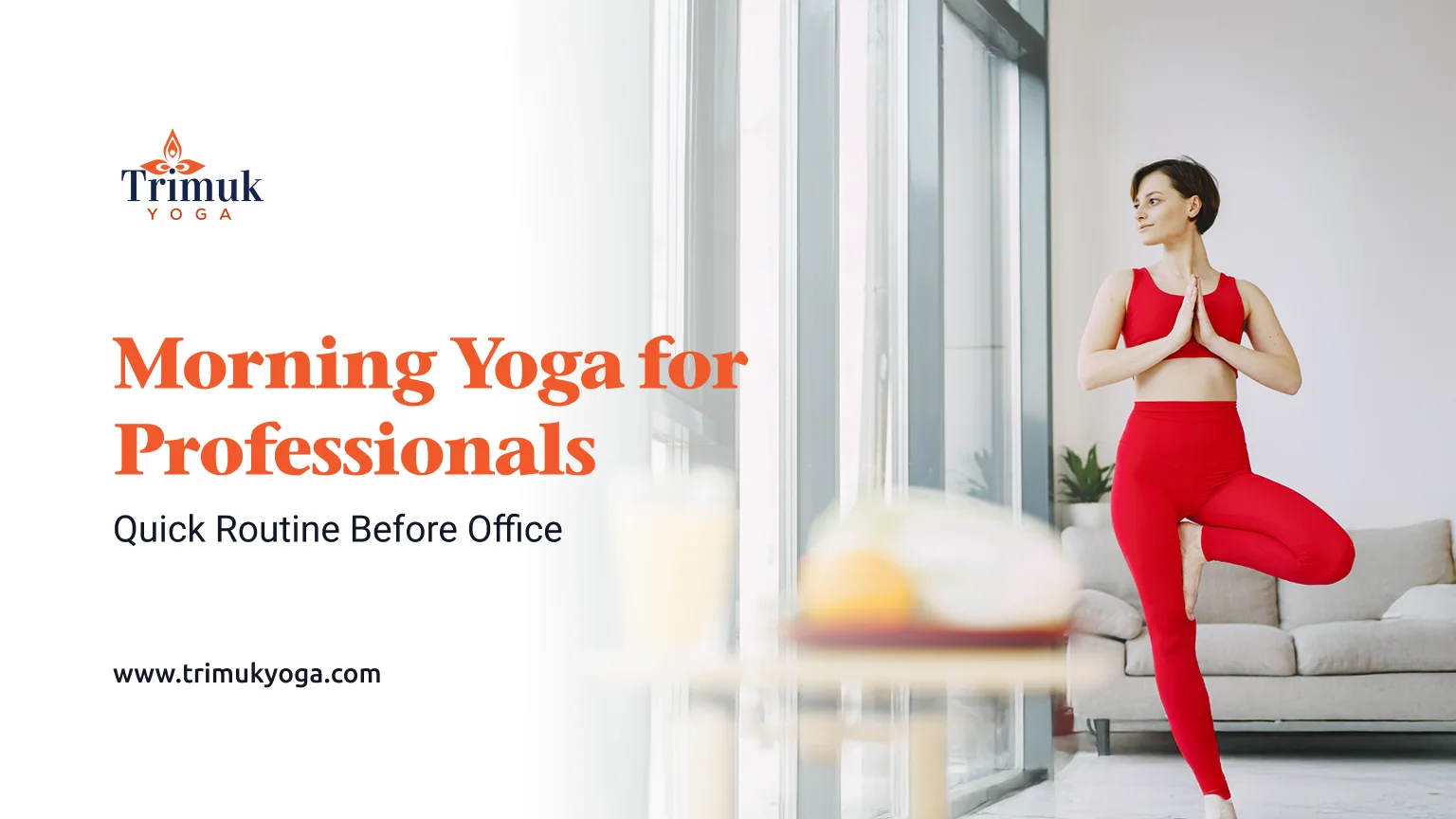
Starting your day with yoga delivers a host of benefits, particularly for professionals juggling tight schedules. It reduces stiffness accumulated overnight, improves circulation, and boosts energy levels naturally. Beyond the physical perks, yoga enhances mental clarity and reduces anxiety by promoting mindful breathing and intentional movement. This combination helps improve concentration throughout the day and cultivates resilience against workplace stress. Establishing a morning practice can also foster better sleep patterns and create a moment of calm that influences overall wellbeing.
Preparing for Your Morning Yoga Routine
Choosing the Right Space and Equipment
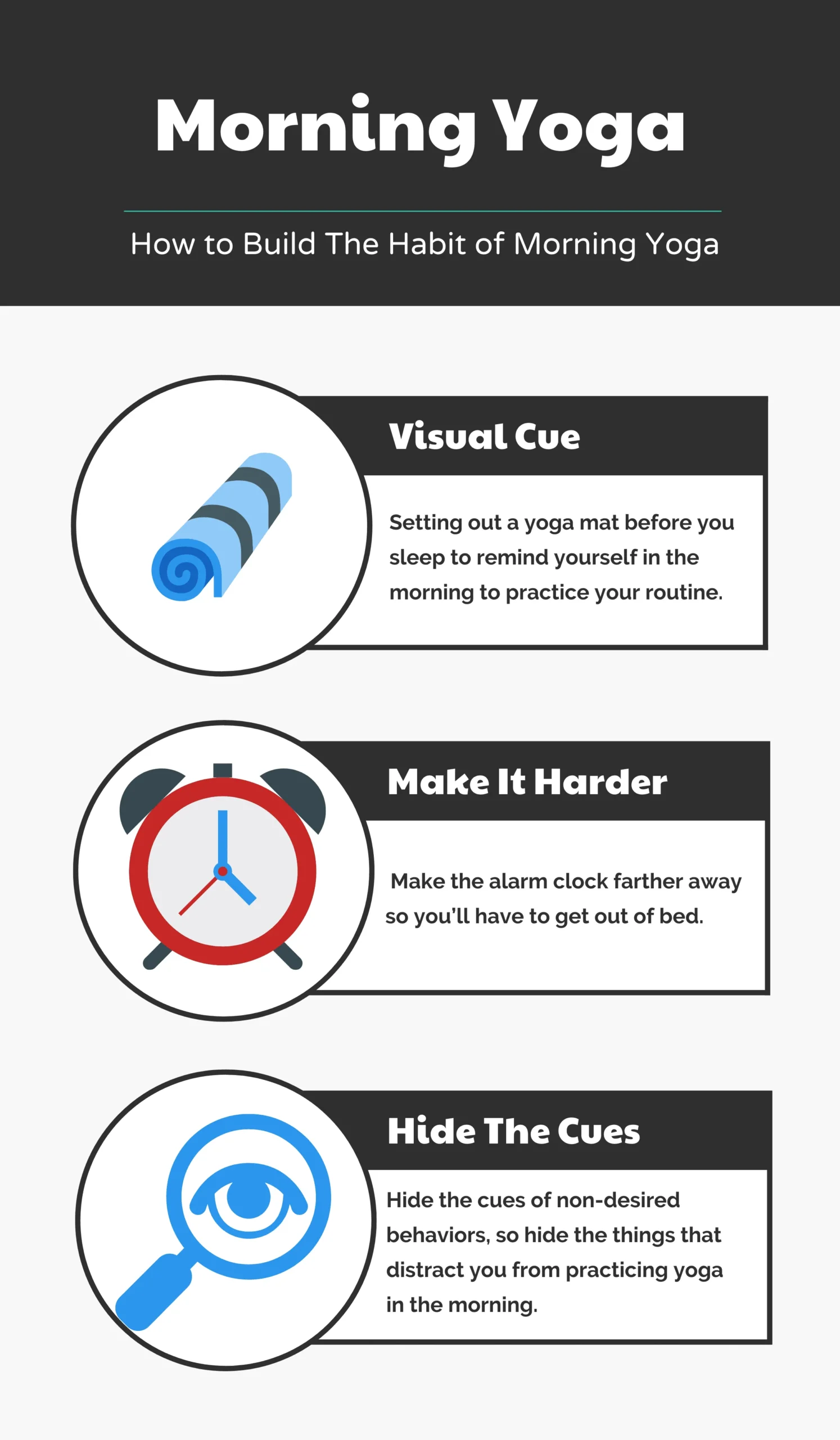
One common barrier to morning yoga is uncertainty about where and how to practice. Selecting a peaceful spot in your home where you feel comfortable is crucial. It does not require a large area—just enough space for a yoga mat or a soft surface. Minimal equipment is needed, making it simple to start without investing in costly gear. Using a mat can prevent slipping and provide cushioning. If available, props like yoga blocks or straps can assist with modifications, allowing you to customize poses based on your flexibility and strength levels.
Setting Realistic Time Goals
Many professionals abandon yoga routines because they attempt sessions that are too long or complicated for their schedules. Setting achievable time goals is vital for sustainability. Even sessions as brief as 10 to 15 minutes can offer significant benefits if practiced consistently. Starting with shorter, carefully designed sequences helps build confidence and encourages habit formation. As your schedule and comfort grow, you can gradually extend the duration. The key is regularity, not length, especially when balancing a hectic lifestyle.
Designing a Custom Morning Yoga Sequence
Warm-Up Poses to Energize Your Body
Stiffness and tension often greet professionals upon waking, particularly after hours of sleep. Warm-up poses help gently prepare the body for more dynamic movements. Beginning in Child’s Pose is ideal, allowing hips and knees to adjust comfortably. Incorporating gentle movements such as pedaling the feet in Downward-Facing Dog releases tension in the calves and hamstrings. These preparatory poses stimulate circulation and loosen joints, making transitions into more demanding postures smoother and safer.
Core Yoga Poses for Focus and Flexibility
After warming up, a blend of core poses that enhance flexibility and sharpen focus can be integrated. Poses like Low Lunge engage the hips and open the front body, with options to vary foot positioning or use shoulder stretches for spinal lengthening. Three-Legged Dog with ankle circles serves to release hip tightness while building strength. Balancing poses modified to accommodate your level foster concentration and body awareness. Sun Salutations provide a dynamic sequence that coordinates breath with movement, invigorating both mind and body efficiently.
Cool-Down and Mindfulness Practices
Finishing your routine with cool-down postures supports muscle recovery and helps transition into a calm, centered state. Gentle twists from Squat or Reclining Twist ease spinal tension. Using props like blocks or the chair’s backrest can aid supported stretches. Mindfulness practices such as deep belly breathing or brief meditation close the session by activating the parasympathetic nervous system, reducing stress hormones, and enhancing mental clarity. Even one minute of focused meditation can positively shape your mindset for the day ahead.
Time Management Tips for Busy Professionals
Incorporating Yoga into a Tight Schedule
The biggest hurdle for busy professionals is often finding time rather than willingness. Recognizing small windows where yoga fits naturally is essential. Early morning before work begins is optimal, but short breaks during the day can also be used for stretching or breathing exercises. Incorporating movements like shoulder rolls or neck circles at your desk can alleviate tension without disrupting workflow. Making use of commute time for simple breathing techniques or listening to guided sessions on apps helps integrate wellness practices seamlessly into daily life.
Using Short Yoga Sessions Effectively
Short sessions can be highly effective if focused and intentional. Instead of rushing through a full-length practice, concentrating on breath control or one to two target areas creates meaningful benefits. Techniques such as box breathing or alternate nostril breathing reduce anxiety rapidly and can be performed anywhere. Repeating sequences like Surya Namaskar A with mindfulness also packs physical and mental gains into compact timeframes. Prioritizing consistency over duration allows cumulative improvements without overwhelming your schedule.
Maintaining Consistency and Tracking Progress
Creating a Yoga Journal or Log
Maintaining motivation to continue yoga is often challenging without visible progress. A yoga journal or log helps you reflect on your practice, note improvements, and set future goals. Recording details such as poses completed, duration, energy levels before and after practice, and emotional states can highlight patterns worth sustaining or adjusting. This tangible documentation creates accountability and reinforces the habit by showing how even small, daily efforts contribute to lasting wellbeing.
Tips to Stay Motivated Over Time
Staying motivated when balancing a demanding career requires strategies that make yoga enjoyable and rewarding. Varying poses to keep the sequence fresh, setting achievable milestones, and celebrating small wins support ongoing engagement. Utilizing online classes or apps provides structure and expert guidance, which can prevent stagnation. Remembering that even brief sessions improve mood and reduce stress encourages persistence. Ultimately, customizing your practice to feel energizing and sustainable ensures yoga becomes a cherished part of your daily routine rather than a chore.